


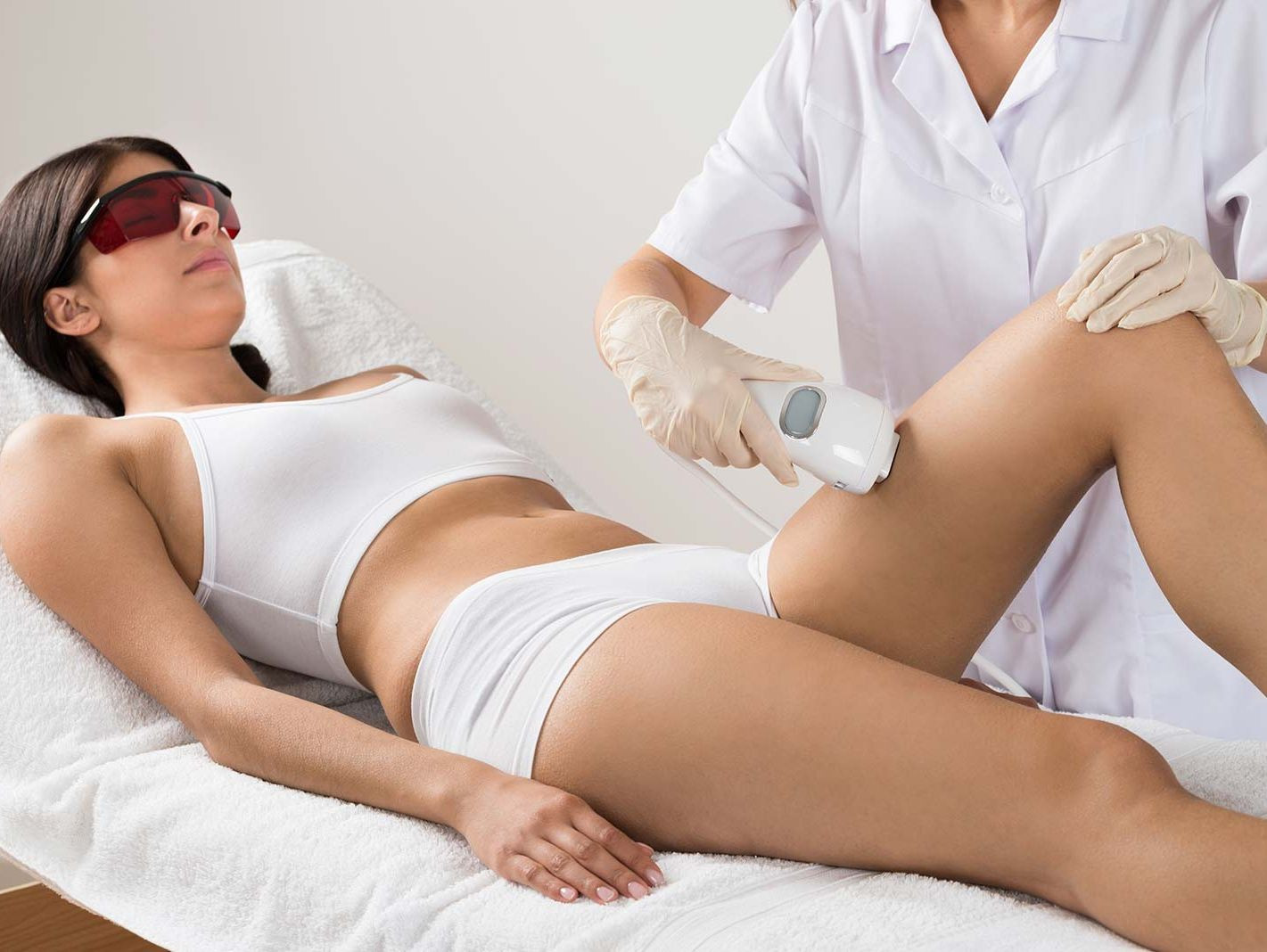

During laser hair removal, intense light pulses are exposed to the roots of hairs containing melanin. However, sometimes the light energy can also damage the skin surface. Laser burns are first and second degree burns caused by this excessive heating.
The risk of laser burns depends on the type of laser applied, skin type, hair density and the energy used. Laser burns are more likely to occur especially in people with dark skin or in areas with very dense hair.
Side Effects of Laser Hair Removal
Laser hair removal is generally a safe method, but some side effects may occur. These include:
Temporary redness and swelling
Burning sensation or pain
Itching
Dandruff
Hyperpigmentation (spot formation)
Hypopigmentation (loss of color)
Risk of infection
These side effects are mostly temporary and disappear within a few days. However, there is also a risk of permanent scars, especially in the case of laser burns.
Do Laser Burn Scars Occur?
Yes, permanent scars can occur on the skin as a result of laser burns. The extreme heat of the laser light can damage the lower layers of the skin, causing tissue damage. This damage can leave skin discoloration, sunken or raised scars during the healing process.
Laser burn scars usually appear as hyperpigmentation (dark spots) or hypopigmentation (white spots). These scars are caused by an imbalance in the skin's melanin production. In addition, scar tissue that forms during the healing process after a burn can leave a permanent scar.
The severity of the scars depends on the degree of the burn, the person's skin type and the healing process. While the scars are less noticeable in mild burns, the scars can be more permanent and noticeable in deep second-degree burns.
Laser Burn Scar Treatment Methods
Various methods can be used to treat laser burn scars. These include:
Topical Treatments: Regular use of creams containing Vitamin C, E and retinol can improve the color and appearance of the scars.
Chemical Peeling: Chemical peeling applications containing glycolic acid, salicylic acid or trichloroacetic acid can lighten the color of the scars and support tissue healing.
Laser Treatments: Various laser treatments, such as fractional CO2 laser or Nd:YAG laser, can be used to improve the appearance of scars.
Intralesional Steroid Injections: Intralesional steroid injections can be helpful, especially for raised scars.
Dermabrasion: Mechanically abrading the skin surface can improve the appearance of scars.
Dermal Fillers: Fillers can be used to correct hypertrophic or sunken scars.
Surgical Treatments: Surgical interventions may be necessary, especially for deep and visible scars.
The choice of treatment depends on the type of scar, its severity, and the individual's skin characteristics. The treatment process usually takes several months and may require a combination of more than one method.
 Call
Call
 Whatsapp