


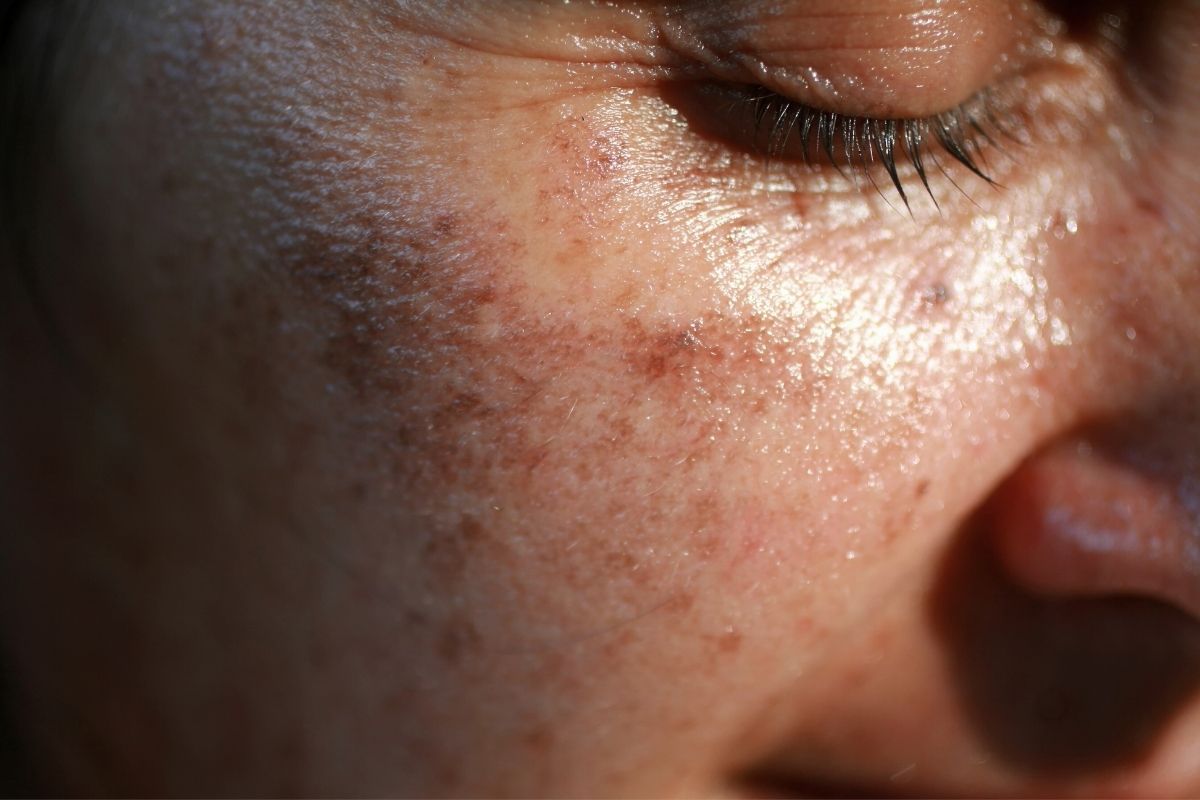

What is a Sun Spot?
Sun spots are dark areas that occur as a result of increased melanin production in the skin. They are usually seen in areas exposed to the sun, especially on the face, hands, shoulders and décolleté. As the skin is exposed to the sun, melanin is produced and this manifests itself as brown spots on the skin. These spots are commonly known as “darkenings” or “sun spots” among the public. Over time, these spots can become more noticeable and can cause permanent scars on the skin.
Do Sun Spots Go Away On Their Own?
Whether or not sun spots go away on their own usually depends on the size of the spot, skin type and degree of damage caused by the sun. Some light spots can disappear over time with the skin’s natural renewal process. However, in cases where skin damage is deeper, these spots can take longer to go away and in some cases can be permanent. Sun spots often become more noticeable when left untreated and can leave permanent scars on the skin.
Treatment Methods for Sun Spots
If you want your sun spots to go away, there are various treatment options available. The most effective methods for treating sunspots vary depending on your skin type and the condition of the spots. Here are some common methods for treating these spots:
1. Using Sunscreen
The most important step in preventing and treating sunspots is not to trigger melanin production in the skin. Therefore, using sunscreen is very important. A sunscreen with SPF 30 or higher should be applied to your skin at least 20 minutes before going out in the sun. This prevents the formation of new sunspots and prevents existing spots from getting darker.
2. Topical Creams
Some topical creams used in the treatment of sunspots can lighten the color of spots by reducing skin pigmentation. Products containing vitamin C, retinoids or hydroquinone are especially effective in reducing the appearance of sunspots. These creams help the skin renew and prevent melanin production from becoming unbalanced. However, a dermatologist's advice should be sought before using these products.
3. Chemical Peeling
Chemical peeling is a treatment method that allows the skin to renew by peeling the upper layer of the skin. This procedure can help to remove sun spots. Chemical peels lighten dark spots on the skin and encourage the formation of new, healthy cells. Peeling should be done by a dermatologist and usually requires several sessions.
4. Laser Treatment
Laser treatment is a very effective method for treating sun spots. Laser light penetrates the lower layers of the skin, targeting and breaking down dark pigments. In this way, it lightens the spots and helps to even out the skin tone. Laser treatment usually requires several sessions and there may be slight redness or peeling on the skin after the treatment.
5. Natural Methods
Some natural ingredients can be used to treat sun spots. Natural ingredients such as lemon juice, aloe vera, honey and apple cider vinegar can lighten the appearance of spots on the skin. However, natural methods are generally not as effective as chemical treatments and can cause irritation on some skin types. Therefore, it is important to check if your skin type is suitable for this before using natural methods.
Precautions to Prevent Sun Spots
It is possible to take some simple precautions to prevent the formation of sun spots. Using sunscreen, avoiding direct exposure to the sun, and wearing a hat or protective clothing can help prevent these spots from forming.
1. Protection Before Sun Exposure
Apply a high-factor sunscreen at least 20 minutes before sun exposure. Reapply sunscreen every two hours and reapply especially after sweating or swimming.
2. Prefer the Shade
Avoid being outside during the hours when the sun is strongest, i.e. between 10:00 and 16:00. Direct exposure to the sun during these hours can cause permanent damage to the skin.
3. Wear Sun-Protective Clothing
You can protect your skin by choosing a hat, sunglasses, and long-sleeved clothing when going out in the sun. In addition, clothing made of fabrics that protect against UV rays can be used.
In Conclusion...
Sun spots may not go away on their own over time and may become more noticeable if left untreated. Sunspots can be treated with various methods, but the treatment process can take time. Sunscreen use, topical creams, chemical peels, laser treatment and natural methods can help to remove sunspots. Protecting your skin from the sun is the most effective way to prevent spots from forming. If you have existing spots, it would be beneficial to get help from a dermatologist to determine the most appropriate treatment option.
 Call
Call
 Whatsapp