


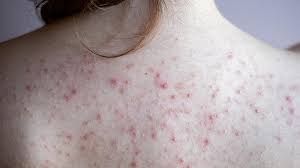

Formation of Superficial Acne Scars
Acne occurs as a result of the blockage and inflammation of the skin's pores. This inflammation usually manifests itself with symptoms such as redness, swelling and roughness on the skin. Acne scars, on the other hand, are tissue changes that remain on the skin after acne has passed. Superficial red acne scars usually appear during the healing process of acne and are seen in red, close to the surface of the skin.
These red scars usually occur as a result of inflammation. Inflammation can dilate the blood vessels in the skin, turning the skin color red. However, it may take time for these scars to completely heal and return to their original state.
Superficial Red Acne Scars Go Away On Their Own
Superficial red acne scars usually go away on their own. These scars decrease over time with the skin's renewal process. However, how long this process takes may vary from person to person. Depending on the speed of skin renewal and the degree of inflammation, it can take a few weeks to a few months for red scars to disappear. Generally, if the skin's self-renewal capacity is high, such scars will heal within a few months.
Reducing Inflamed Acne Scars Over Time
Superficial red scars are usually caused by inflammatory acne. Inflamed acne can affect the blood vessels under the skin, which leads to reddish scars on the skin. As the inflammation decreases, these scars gradually begin to fade. Over time, the blood vessels in the skin return to normal and acne scars disappear along with the change in color of the scars.
The time it takes for scars to pass depends on factors such as skin type and the size of the acne. For example, younger skin types can usually get rid of scars faster, while the healing process may be a little longer in more mature skin types.
Home Care for Superficial Red Acne Scars
Although superficial red acne scars are expected to fade over time, some home care methods can be applied to speed up this process.
Using Sunscreen: Exposure to the sun can cause acne scars to become more visible. Therefore, regularly applying sunscreen to areas where acne scars are present can help the scars heal more quickly.
Skin Moisturizing: Keeping the skin moist can speed up the healing process. Especially softening and moisturizing creams help the skin relax and the scars disappear more quickly.
Inflammation-Reducing Products: Natural products such as aloe vera or green tea extracts can help reduce inflammation in the skin. Such products contribute to the faster healing of the scars.
Being Patient in Skin Care
The spontaneous healing of superficial red acne scars is a process that requires patience. The skin repairs such scars over time, but this process can sometimes take several months. With skin care and patience, it is possible for the scars to disappear. However, if these scars become very noticeable and do not disappear for a long time, it may be useful to seek medical treatment from a dermatologist.
When Should Professional Help Be Seek?
Although superficial red acne scars usually disappear on their own, in some cases these scars can last longer. If the scars do not disappear for a long time such as 6 months-1 year or if the scars deepen, it is important to consult a dermatologist. A dermatologist can help remove scars with methods such as chemical peels, laser treatments, or topical treatments.
In Conclusion
Superficial red acne scars usually heal on their own and disappear with the skin's natural healing process. However, it is important to take regular care and protect yourself from the sun to speed up this process. If acne scars do not go away for a long time or if deeper scars form, it may be necessary to seek help from a professional dermatologist. Remember, every skin is different and the healing process is individual.
 Call
Call
 Whatsapp