


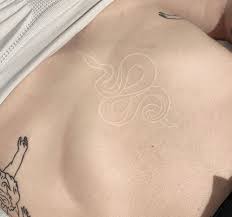

Does a Tattoo Removal Leave a Scar?
Tattoos are made as a personal preference; however, they may lose their meaning over time or cause aesthetic discomfort. In this case, tattoo removal procedures come to the fore. With the development of laser technologies, tattoo removal has become easier and safer. However, one of the most wondered questions is: “Does a tattoo removal leave a scar?” The answer to this question depends on several factors.
Does Tattoo Removal Leave a Scar on the Skin?
Today, the most common method for tattoo removal is laser tattoo removal. Especially Q-Switched and Pico laser technologies break down the pigment and separate the tattoo from the skin. This process does not directly affect the skin surface, but the lower layers of the skin.
If the process is:
With the right device
With the appropriate dose
Under expert control
Appropriately performed according to the skin structure
the risk of permanent scarring is quite low.
However, in some special cases, scarring may occur. It is necessary to know these.
In Which Cases Does the Risk of Scarring Increase?
If the tattoo is very deep and has dense ink
If the tattoo was done amateurishly and irregularly (the ink may have spread to different layers)
Pigmental changes may be more frequent in individuals with dark skin
If the post-application care rules are not followed
If the skin is not rested sufficiently between sessions
If the device is inadequate or the procedure is performed in centers other than expertise
in these cases, color change, slight scarring or shadowing may be seen on the skin.
What are the Scars That May Form After Laser?
When we say scarring, the following effects are generally meant:
Hypopigmentation: Lightening of the skin color
Hyperpigmentation: Darkening of the skin color
Scar (scar tissue): In very rare cases, a raised or sunken scar on the skin
Most of these scars disappear over time or can be improved with dermatological treatment. The risk of permanent scarring is extremely low with correct applications.
What Should Be Considered to Avoid Scarring?
The procedure must be performed under the supervision of a specialist
A laser device that is FDA approved and suitable for your skin type should be preferred
Attention should be paid to session intervals and the skin should be given a healing period
Protecting from the sun after the application is the most important protection step
If there is crusting, it should not be intervened by hand, it should be waited for it to fall off on its own
Recommended moisturizers and care creams should be used regularly
What can be done in cases where scars remain?
If there is a slight scar left after the removal process, there are various dermatological solutions for this situation:
Stain lightening creams
Chemical peeling
Fractional laser applications
PRP (stem cell supported treatments)
A dermatologist's opinion should be obtained for the treatment method suitable for your skin structure.
In Conclusion
Whether the tattoo that is removed will leave a scar or not depends on many factors. However, thanks to advanced laser technologies and expert applications today, tattoo removal usually results in no scars. The risk of permanent scars is low and in most cases is limited to temporary reactions.
To get the best results, a detailed skin and tattoo analysis, appropriate device selection and a professional application process are essential before the procedure.
 Call
Call
 Whatsapp