



What is Biotin and What Does It Do?
Biotin is a vitamin that is included in the vitamin B complex and is generally known as vitamin H. It plays an important role in carbohydrate, fat and protein metabolism in the body. It is famous for preventing hair loss and breakage. It can also positively affect skin health. Biotin supports hair and nail health and helps skin cells renew. Insufficient biotin intake can lead to health problems such as hair loss and skin problems.
Effects of Biotin on Skin
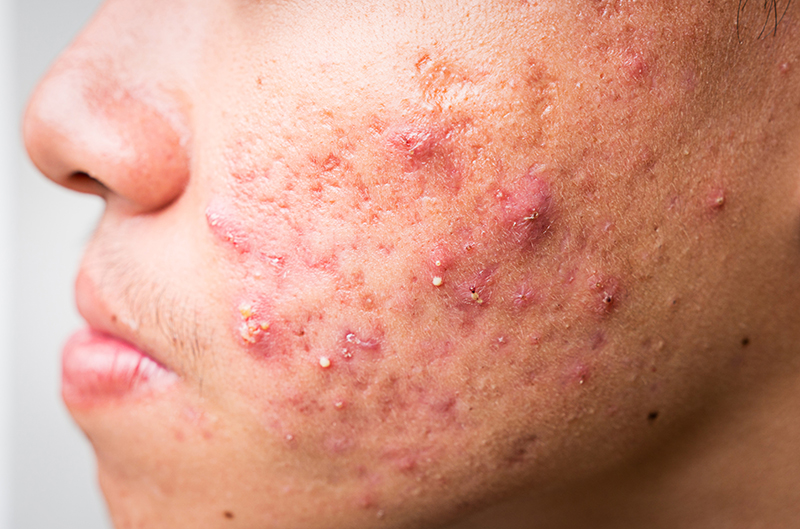
Biotin is beneficial for skin health, but when consumed excessively, it can cause imbalances in the body. Although biotin provides a healthier skin appearance by helping skin cells renew, it is thought that excessive biotin intake can trigger oily skin and acne in some people. This is because biotin can increase oil production. This can be problematic, especially in skin that is sensitive to hormonal changes, and can cause pores to become blocked.
Biotin and Hormone Balancing
Another important factor is that biotin supplements can affect hormone levels and therefore increase oil production in the skin. Excessive biotin intake can lead to hormone imbalances in some individuals. These changes in hormone levels can trigger acne formation, especially in people with oily skin. Biotin supplements can further increase such problems, especially in individuals in adolescence or those with hormonal imbalances.
Relationship Between Biotin and Skin Type
The effect of biotin use on the skin varies from person to person. People with oily skin may experience acne problems due to increased oil production and consequently clogged pores when using biotin supplements. However, in individuals with dry or normal skin, biotin generally has a moisturizing and nourishing effect on the skin and does not cause acne formation. In other words, the effect of biotin supplements may vary depending on skin type.
Biotin Supplementation and Acne Risk
Very high doses of biotin intake can cause skin problems in some people. Excessive biotin intake can increase acne formation, especially in individuals with low hormone levels or hormonal disorders. It is important to take biotin supplements in the right dose and not to overdo it. In addition, consulting a health professional before starting to use biotin can help prevent potential side effects.
Things to Consider When Using Biotin
If you are considering taking biotin supplements, it will be useful to first pay attention to the following points:
Dosage: When using biotin supplements, it is important not to exceed the recommended dosage. Excessive biotin intake can lead to other health problems as well as skin problems.
Skin Type: Individuals with oily skin may need to be careful when using biotin supplements. It would be healthier to try biotin supplements with products and treatments suitable for your skin type.
Doctor's Recommendation: Consulting a dermatologist or doctor before starting to use biotin supplements will help you decide on the right treatment method. The effects of biotin use may be more pronounced, especially in people with hormonal imbalances.
Biotin and Acne: Conclusion
Biotin is a powerful vitamin that improves skin health and prevents hair loss. However, in some individuals, excessive biotin intake can cause acne by increasing oil production. Especially in people with oily skin, biotin supplements can disrupt the oil balance in the skin and trigger acne formation. Biotin use may vary depending on skin type. Therefore, it is important to consult a dermatologist or specialist physician before using biotin supplements, taking into account the correct dosage and personal skin type.
Remember, each individual's skin structure is different and the supplements used may give different results. Proper nutrition, regular skin care and expert advice are very important for healthy skin.
Dr. Fatma Yıldız – Ankara Life Polyclinic
 Call
Call
 Whatsapp