



Does Clindoxyl Gel Get Rid of Acne Scars?
Clindoxyl Gel is an effective drug widely used in acne treatment. This gel, which is especially effective on inflammatory and bacterial acne, helps reduce acne with regular use.
What is Clindoxyl Gel?
Clindoxyl Gel is a topical (applied to the skin) drug containing two active ingredients. These substances are known as clindamycin and benzoyl peroxide. Both substances are widely used in acne treatment and can provide effective results.
Clindamycin: An ingredient with antibiotic properties. It prevents the growth of bacteria and helps heal inflammatory acne.
Benzoyl Peroxide: Thanks to its antibacterial properties, it eliminates bacteria and reduces excess oil on the skin. It also cleans dead skin cells and opens pores.
What is Clindoxyl Gel Used For?
Clindoxyl Gel is generally used in the treatment of inflammatory and moderate acne. It offers an effective treatment especially on acne caused by bacteria.
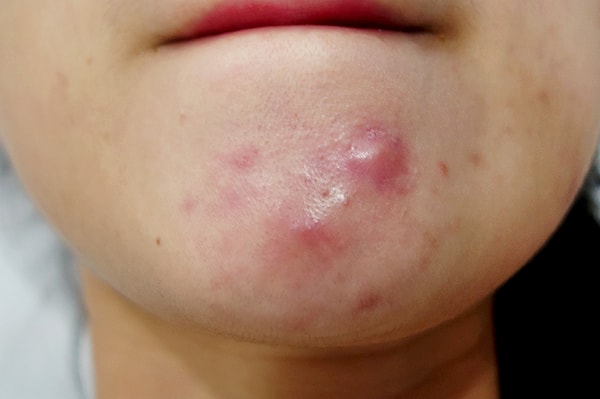
Inflamed Acne: It is especially effective on red and swollen acne.
Blackheads and Whiteheads: It helps cleanse pores.
Providing Oil Balance on the Skin: Benzoyl peroxide prevents the formation of new acne by balancing the oil production of the skin.
Does Clindoxyl Gel Get Rid of Acne Scars?
The main purpose of Clindoxyl Gel is to treat active acne and reduce bacteria on the skin. However, it is not directly effective on acne scars. In other words, Clindoxyl Gel is not a product designed to get rid of old acne scars. However, it can indirectly contribute to the reduction of scars.
Prevents the Formation of New Scars: It can prevent the formation of new scars by treating active acne. In particular, preventing inflammation and spread of acne reduces the risk of scar formation.
Cleans and Renews the Skin: Benzoyl peroxide cleans dead cells on the skin surface. This can help the skin renew and reduce the appearance of light spots.
How to Increase the Effect of Clindoxyl Gel on Scars?
Clindoxyl Gel does not directly penetrate acne scars, but this effect can be increased with some methods to support the treatment process.
Cleanse the Skin Regularly: Wash and dry your skin with a gentle cleanser before applying Clindoxyl Gel. This allows the medicine to be better absorbed by the skin.
Use Moisturizer: Clindoxyl Gel can dry the skin. Therefore, it is important to use a water-based, non-comedogenic (non-pore-clogging) moisturizer.
Use Sunscreen: Benzoyl peroxide can make the skin sensitive to the sun. Therefore, be sure to use sunscreen before going out in the sun. Sun rays can make acne scars more visible.
Combination with Other Scar Treatments: In addition to Clindoxyl Gel, methods such as retinoid creams, vitamin C serums or chemical peels, which are effective for acne scars, can be used. However, be sure to consult your doctor for such combination treatments.
How to Use Clindoxyl Gel?
For Clindoxyl Gel to be effective, it is very important to apply it correctly.
Cleanse the Skin: Cleanse and dry your skin with a suitable cleanser before application.
Apply in a Thin Layer: Apply the gel in a thin layer with your fingertips to the problematic area. It may be more appropriate to apply it only on the pimples instead of applying it to the entire face.
Night Use: Clindoxyl Gel is usually applied at night. If used during the day, it should be used with sunscreen.
Frequency of Use: It is usually applied once a day. However, if your doctor has recommended a different use, you should follow this.
Things to Consider When Using Clindoxyl Gel
Clindoxyl Gel is a strong drug and can cause skin irritation if used incorrectly. Therefore, it is important to pay attention to some points.
Skin Dryness and Redness: Clindoxyl Gel can dry the skin. If your skin becomes excessively dry or red, you can reduce the frequency of use.
Do Not Apply Around Eyes and Mouth: Be careful not to get Clindoxyl Gel in contact with the eyes and mouth. If accidentally contacted, rinse with plenty of water.
Sun Sensitivity: Always use sunscreen when going out in the sun after applying the medication.
Pregnancy and Breastfeeding: Pregnant or breastfeeding women should consult their doctors before using Clindoxyl Gel.
Side Effects of Clindoxyl Gel
Clindoxyl Gel may cause some side effects. The most common side effects are:
Dryness of the skin
Redness
Itching
Slight burning sensation
If these symptoms are severe, you should stop using the gel and consult your doctor.
Conclusion
Clindoxyl Gel offers an effective treatment especially on inflammatory acne. However, it does not directly penetrate acne scars. It can lighten the appearance of scars by preventing the formation of new acne and cleaning dead cells from the skin. If you are looking for a specific treatment for acne scars, the best approach would be to consult your dermatologist and learn the appropriate methods.
 Call
Call
 Whatsapp