



Epilation is the process of removing unwanted hair on the body using various methods. Among the methods used for this; There are waxing, laser, IPL (Intense Pulsed Light) and electric epilator. Each method has its own advantages and disadvantages.
Epilation; Although it is used more by women, men are also increasingly getting epilation. Epilation is a very common practice for people who care about body image and care.
The Relationship between Epilation and Cancer
The heat and light used during the epilation process raise some concerns. However, current scientific evidence shows that epilation does not increase the risk of cancer.
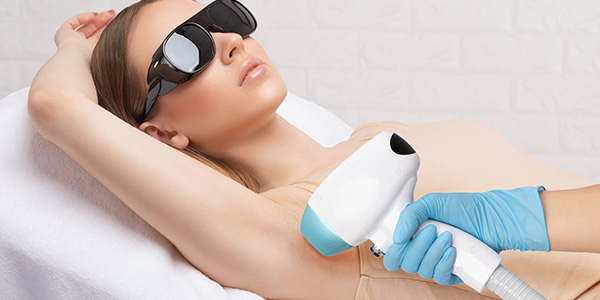
1. Laser Hair Removal: Laser hair removal uses high-intensity light waves. These light waves break down hair by targeting the melanin pigment. Laser hair removal has not been associated with cancer risk. In fact, some studies show that laser hair removal may prevent skin cancer.
2. IPL Epilation: IPL (Intense Pulsed Light) epilation uses light energy like laser epilation. IPL emits a broad spectrum of light and targets the melanin pigment. This method has no relation with the risk of cancer.
3. Waxing and Electric Epilator: Mechanical methods such as waxing and electric epilator do not use heat or light. Therefore, these methods are not associated with cancer risk.
As a result, it has been proven that the epilation methods used today do not increase the risk of cancer. However, it is important to take appropriate safety precautions during epilation.
Side Effects of Hair Removal
Although epilation is generally a safe procedure, some side effects may occur:
• Irritation and redness: Short-term irritation and redness may occur after epilation. This condition usually passes within a few hours.
• Stinging and painful sensations: A stinging and painful sensation may be experienced during epilation, especially in the first sessions. However, it becomes less sensitive over time.
• Hair ingrowth: In some people, hair regrowth may occur after epilation. This may vary from person to person.
• Granuloma formation: Although rare, small swellings called granulomas may occur after epilation. This situation is usually temporary.
• Risk of infection: Disruption of skin integrity during epilation may increase the risk of infection. Therefore, hygiene rules should be observed.
These side effects are usually temporary and mild. However, if severe or prolonged side effects occur, a healthcare professional should be contacted immediately.
Epilation Types and Safety Precautions
Epilation methods include laser, IPL, waxing and electric epilator. Each method has its own security measures:
4. Laser Epilation: Laser epilation should be performed by an experienced specialist. The intensity and wavelength of light energy should be suitable for the skin type. Eye protection is also important.
5. IPL Epilation: IPL epilation uses light energy, just like laser epilation. Skin type and color determine the application parameters. Eye protection and an experienced practitioner are essential for a safe procedure.
6. Waxing Epilation: Waxing epilation should be performed under hygienic conditions and by an experienced practitioner. Waxing temperature and application technique are important.
7. Electric Epilator: Electric epilators can be used safely in the home environment. Choosing a cap suitable for your skin type and regular cleaning are important.
In all epilation methods, personal hygiene and the use of appropriate protective equipment (glasses, gloves, etc.) are very important. Additionally, if there is any health problem, a specialist should be consulted first.
Things to Consider When Epilating
To perform the epilation process safely, the following points should be taken into consideration:
8. Experience of the Practitioner: An experienced and certified specialist should perform the epilation process.
9. Skin Preparation: Before epilation, the skin should be cleaned and prepared. Broken, irritated or infected areas should not be treated.
10. Choosing the Correct Method: The epilation method appropriate to the skin type, hair characteristics and region should be chosen.
11. Compliance with Hygiene Rules: Personal hygiene rules (gloves, mask, clean towel, etc.) must be followed during and after the procedure.
12. Regular Check: After epilation, regular check should be made for signs of redness, irritation or infection.
13. Doctor's Consultation: If there is any health problem, a doctor should be consulted before epilation.
Epilation can be a safe and effective method. However, it is very important to take appropriate safety precautions and apply them correctly. Otherwise, undesirable consequences may occur.
I recommend that you contact a specialized epilation center to learn more about epilation and apply it safely. Here, they can determine the epilation method that is right for you and help you apply it safely.
Does Epilation Cause Cancer?
Free Information,
Consultation and Appointment Request
 Call
Call
 Whatsapp