


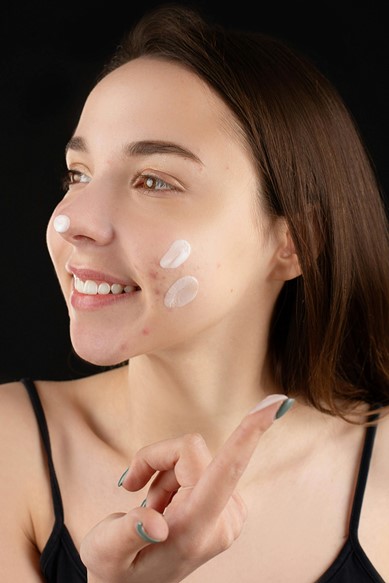

Waxing is a method used to remove unwanted facial hair from the root. This process can be done using hot or cold wax. Hot wax uses a heated substance to open hair follicles and remove hair more easily. Cold wax uses a substance that self-adheres when applied to the skin.
Waxing pulls the hairs from the roots, allowing them to grow slower and sparser. However, this process also affects your skin and may cause irritation in some people. This irritation may manifest as redness, a burning sensation, or mild itching. Remember that your skin is sensitive after waxing and adjust your skin care routine accordingly.
Common Skin Reactions
Some common skin reactions may occur after waxing. These reactions are usually temporary and disappear on their own within a few hours or a few days. Here are some of the common reactions that may occur on the skin after waxing:
Redness: After waxing, red spots or redness may appear on your skin. This is usually a sign that the skin is irritated and disappears after a while.
Burning Sensation: You may experience a slight burning sensation on your skin after the waxing process. This feeling is usually short-lived and can be relieved with cold compresses or skin care products.
Itching: Some people may experience a slight itching sensation on their skin after the waxing process. This itching is usually temporary and disappears as your skin heals.
These reactions are generally normal and indicate that your skin has improved after waxing. However, if the reactions are severe or prolonged, it is useful to consult a specialist.
Factors That May Increase Skin Irritation
Skin irritation can occur after waxing, and some factors can increase this irritation. Here are some factors that can increase skin irritation:
Sensitive Skin: If you have sensitive skin, you may be at higher risk of irritation after waxing. Therefore, you can choose gentler waxing products or alternative hair removal methods for sensitive skin.
Thin or Fragile Skin: If you have thin or fragile skin, waxing may cause more irritation. In this case, it is important to prepare your skin for waxing and use the right skin care products.
Extremely Hot or Cold Wax: If the wax used for waxing is extremely hot or cold, it may irritate your skin further. Therefore, make sure the temperature is suitable while waxing.
These factors can further irritate your skin after waxing. Therefore, it is important to choose waxing products that are suitable for your skin type and sensitivity.
Tips to Minimize Skin Irritation
There are some tips to minimize skin irritation after waxing. Here are tips you can try to reduce skin irritation:
Keep Your Skin Clean: Before starting the waxing process, clean your skin and remove any products such as make-up, oil or cream. This will allow the wax to adhere better to your skin and reduce irritation.
Apply Cold Compress: You can apply cold compress to calm your skin after waxing. Cold compress soothes your skin and reduces irritation.
Use Natural Moisturizers: Use natural and hypoallergenic moisturizers to moisturize your skin after waxing. This will soothe your skin and reduce irritation.
These tips will help you minimize skin irritation. However, if skin irritation is severe or long-lasting, it is best to consult a specialist.
Alternative Hair Removal Methods for Sensitive Skin
For sensitive skin, waxing can sometimes be very irritating. Therefore, some alternative hair removal methods may be preferred for sensitive skin. Here are alternative hair removal methods you can try for sensitive skin:
Depilatory Creams: Depilatory creams chemically dissolve hairs rather than pulling them from the root. This method may cause less irritation than waxing.
Epilators: Epilators are small devices that pull hair from the skin. In this method, the hair is pulled from the root and grows slower. If you have sensitive skin, you can use an epilator.
Laser Epilation: One of the most effective hair removal methods for sensitive skin is laser epilation. In this method, hair follicles are permanently destroyed using laser light.
These alternative hair removal methods may cause less irritation for sensitive skin. However, remember that each method has its own advantages and disadvantages. Therefore, you can choose the most suitable method by consulting an expert esthetician.
Preparing Your Skin for Waxing
It is important to prepare your skin properly before waxing. This makes the wax more effective and reduces skin irritation. Here are some steps to prepare your skin for waxing:
Clean Your Skin: Before waxing, clean your skin and remove any products such as make-up or oil. Clean skin ensures better wax adhesion.
your skin
 Call
Call
 Whatsapp