


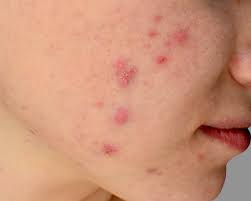

Does Hyaluronic Acid Cause Acne?
What is Hyaluronic Acid?
Hyaluronic acid is a molecule found in the natural structure of our skin that helps keep the skin plump and healthy by retaining moisture. It is commonly found in moisturizers, serums and even makeup products. Its main purpose is to increase the moisture level of the skin and make it look plump.
There is no scientific evidence that hyaluronic acid directly causes acne. On the contrary, since it is an oil-free and water-based ingredient, it is generally safe for acne-prone skin. However, in some cases, the formulation of the product used or its use with other ingredients can contribute to acne formation.
In Which Cases Can It Cause Acne?
Wrong Product Selection: Oil-based products or hyaluronic acid products containing other ingredients that are not suitable for your skin can clog pores and cause acne.
Overuse: When used excessively in a way that disrupts the natural balance of the skin, it can contribute to the weakening of the skin barrier and the formation of acne.
Interaction with Other Products: Especially when used with acidic or irritating products, the sensitivity of the skin may increase and may cause acne.
How to Use?
When using hyaluronic acid, you can pay attention to the following points:
Choosing the Right Product for Your Skin Type: If you have oily or acne-prone skin, prefer water-based and light formulas.
Application on Clean Skin: Applying hyaluronic acid to clean and moist skin can give the best results.
Pay Attention to Combination with Other Products: Be careful if you are going to use it with strong ingredients such as hard acids or retinol.
Conclusion
Although hyaluronic acid is generally a safe and effective moisturizer, it can cause acne if the wrong product is selected or used incorrectly. It is important to choose products that are suitable for your skin's needs and apply them correctly. If you have an acne problem, it would be best to get advice from your dermatologist.
 Call
Call
 Whatsapp