



Does Laser Affect Hormones?
Laser epilation is a modern and safe method that is frequently preferred for permanent hair reduction. However, there is sometimes some misinformation about this application. One of the most frequently asked questions is "Does laser epilation affect hormones?" In this article, we explain this subject in simple language, based on a scientific basis.
What is the Working Principle of Laser Epilation?
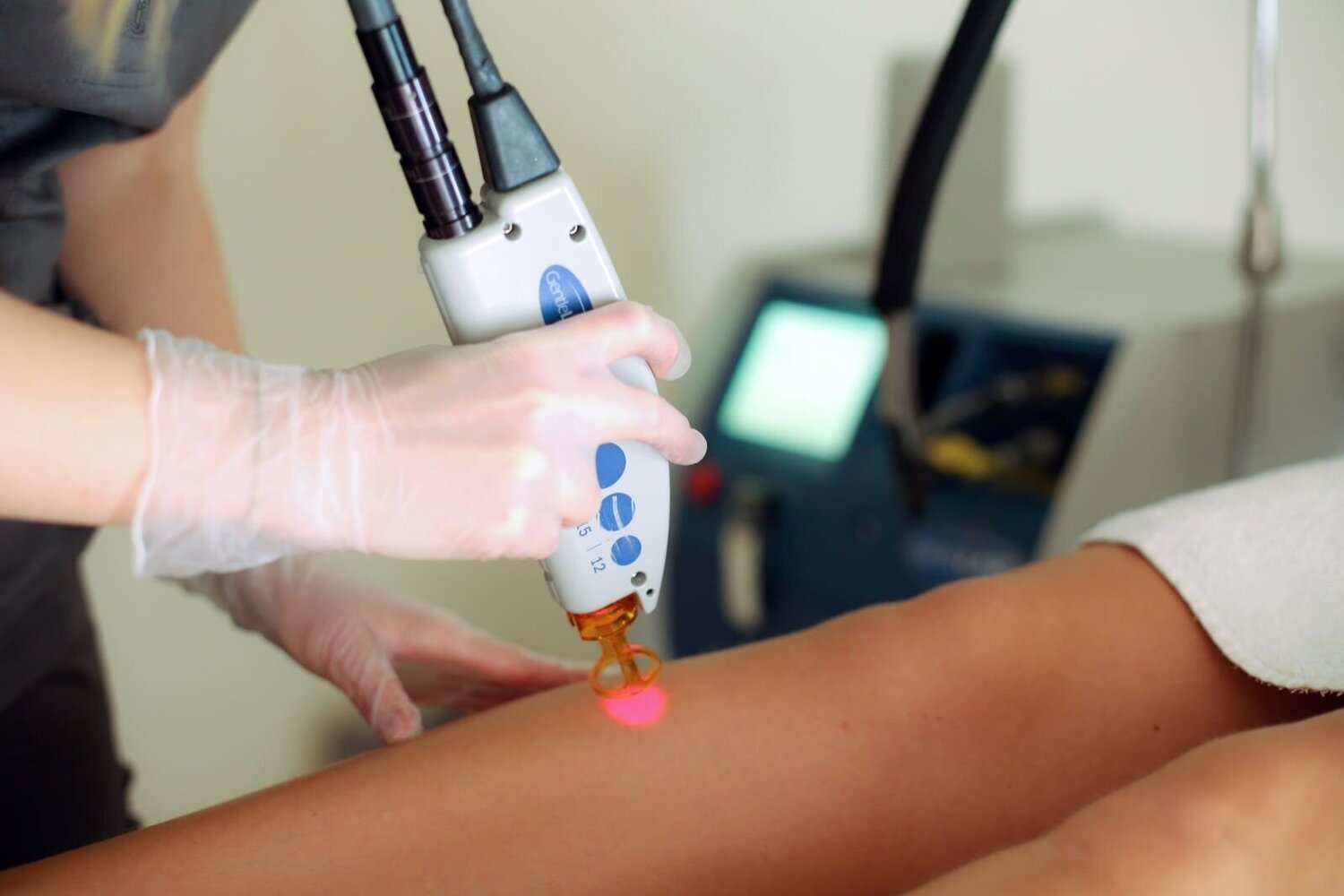
Laser epilation is based on the principle that the laser light applied to the skin surface is absorbed by the melanin (color pigment) in the hair roots and converted into heat, and this heat destroys the hair roots. This process only affects the hair roots under the skin and does not reach the surrounding tissues or internal organs.
In other words, the laser light works in an area limited to the upper layers of the skin; it does not reach the blood, hormone glands or internal systems.
Does Laser Disrupt Hormonal Balance?
No, laser epilation does not affect hormone balance. Because this method:
Does not have a systemic (general) effect on the body
Does not enter the bloodstream
Does not come into contact with organs that secrete hormones (e.g. thyroid, ovaries, pituitary gland)
Therefore, it is medically impossible for laser to cause any changes in hormones.
Why Are Hormonal Hair Conditions Confused with Laser?
Some women may experience intense hair growth, especially in areas such as the face, chin, chest and abdomen. This is often a symptom of a hormonal problem (e.g. polycystic ovary syndrome).
Laser hair removal can be applied to these people, but hair growth may reoccur unless the underlying hormonal disorder is corrected. Therefore, although some people think that laser does not work or affects hormones, the real reason is usually untreated hormone imbalance.
Is a Hormone Test Required Before Laser Hair Removal?
If the hair growth:
Is in male-type areas (i.e. face, chest, abdomen, etc.)
If it started suddenly
If it is thick, dark, and has increased intensively
then a hormone test may be required. However, a hormone test is not required before every laser hair removal. This decision is made by a dermatologist or doctor based on the person's medical history and complaints.
In Conclusion
Laser hair removal is a method that only affects the hair follicles and does not directly or indirectly affect hormones. Individuals with hair growth problems due to hormones may require hormonal treatment together with laser hair removal.
Every individual's situation is different, so the most accurate assessment should be made by a specialist physician.
 Call
Call
 Whatsapp