


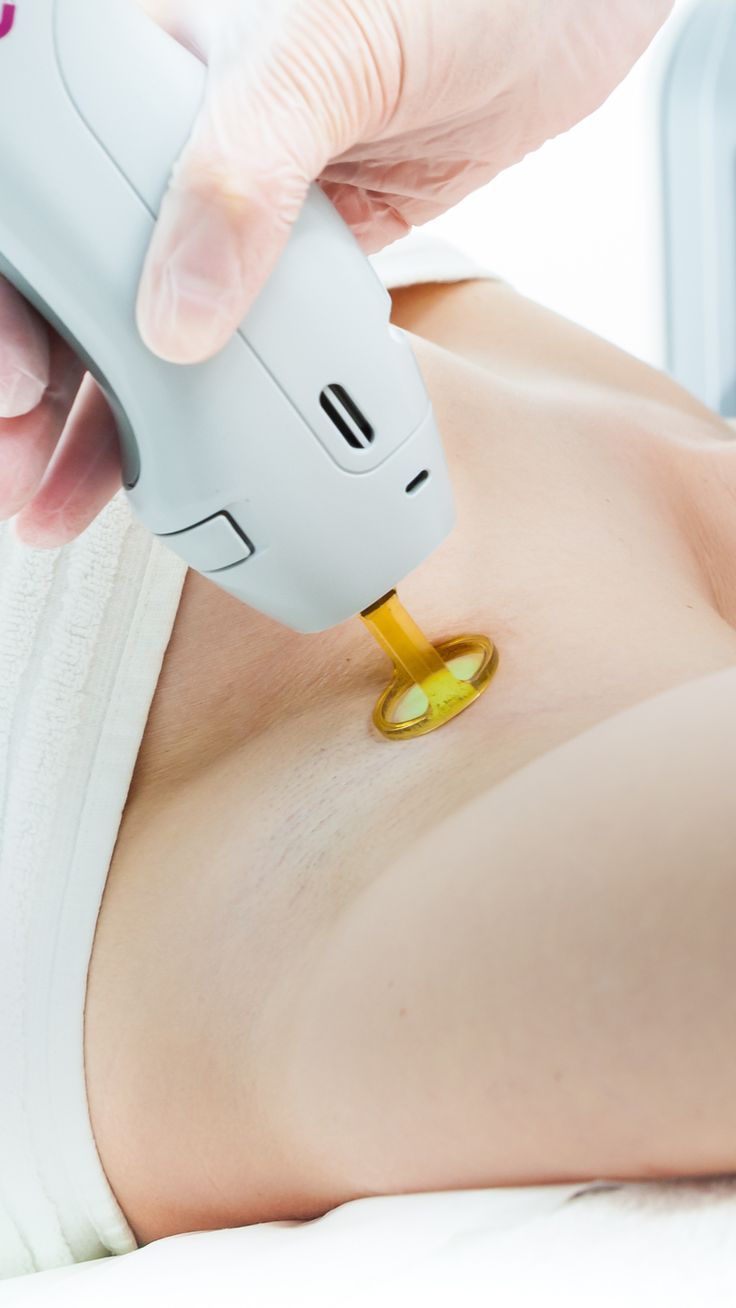

Since laser hair removal targets the skin directly, it can have various effects on the skin. These may include mild side effects such as temporary redness, swelling or tenderness. However, when performed correctly by a specialist dermatologist or aesthetician, laser hair removal is generally a safe and uncomplicated procedure.
In some cases, a slight darkening of the skin may be observed due to the laser light focusing on the melanin pigment during the application of the laser light to the skin. This darkening is usually temporary and disappears on its own within a few days. However, some people may experience more permanent darkening.
The Possibility of Darkening of the Skin with Laser Hair Removal
The darkening of the skin during laser hair removal depends on several factors:
Skin Tone: In people with darker skin tones, the density of the melanin pigment is higher, so a more noticeable darkening may occur under the effect of the laser light.
Hair Color: In people with dark hair, the laser light may focus more on the hair, so the skin may darken more.
Skin Sensitivity: Some people's skin may be more sensitive to laser light and may give a more intense darkening response.
Application Technique: The correct application of laser hair removal by an experienced specialist reduces the risk of darkening of the skin.
Skin Care: Proper skin care and protective measures after laser hair removal can prevent darkening.
Causes of Darkening After Laser Hair Removal
The main reasons for darkening of the skin after laser hair removal are as follows:
Melanin Damage: Laser light targets the hair follicles by focusing on the melanin pigment. However, during this process, it can also damage the melanin cells, causing darkening of the skin.
Inflammation: Laser hair removal can cause temporary inflammation on the skin. This inflammation can cause unwanted effects such as redness, swelling and darkening of the skin.
Surface Damage: If the laser light is applied too intensely to the skin surface, it can damage the epidermis layer and cause darkening of the skin.
Photosensitivity: After laser hair removal, the skin becomes more sensitive to sunlight (photosensitivity), which can increase the risk of darkening.
What to Do to Prevent Laser Hair Removal Darkening
The following steps can be taken to prevent darkening of the skin after laser hair removal:
Specialist Selection: Having laser hair removal performed by an experienced and certified dermatologist or aesthetician reduces the risk of darkening.
Skin Type Assessment: The specialist carefully evaluates your skin tone and sensitivity and determines the appropriate laser type and settings for you.
Preliminary Preparation: Protecting your skin from the sun, moisturizing and cleansing it before the procedure reduces the risk of darkening.
Cooling Application: Applying cooling applications to the skin during and after laser hair removal prevents inflammation and darkening.
Using Sunscreen: Avoiding exposure to sunlight or using high-factor sunscreen after the procedure reduces photosensitivity.
Proper Skin Care: Regularly taking care of your skin after laser hair removal using moisturizing and repairing products will help reduce darkening.
Follow-up Checks: In case of any darkening, it is important to apply appropriate treatment methods during post-procedure expert checks.
Contact us now to get more information about laser hair removal or to make an appointment. Our expert team will determine the most suitable solution for you and take all necessary precautions to protect the health of your skin.
 Call
Call
 Whatsapp