



Does Laser Epilation Prevent Radiation Therapy?
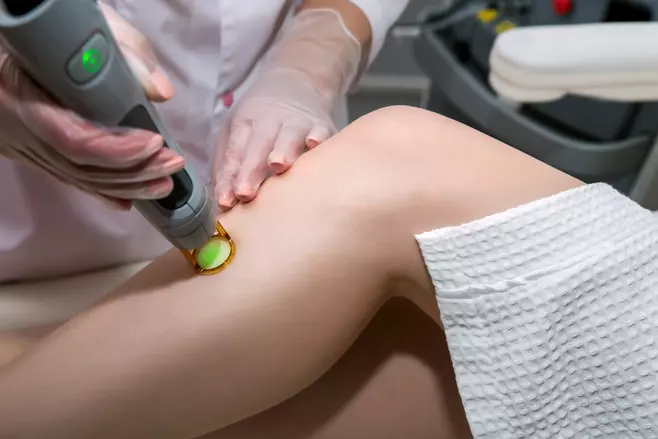
Laser epilation is a modern application frequently preferred by those who want to get rid of unwanted hair for a long time. On the other hand, radiation therapy (radiotherapy) is a serious medical method generally used in the treatment process of cancer patients. The fact that these two procedures are "light" based sometimes confuses patients and leads to the following question: Does laser epilation prevent radiation therapy?
What is Radiation Therapy (Radiotherapy)?
Radiotherapy is the directing of high-energy ionizing rays to the target area in order to destroy cancerous cells. Very high-frequency radiation types such as X-rays or gamma rays are generally used. This treatment damages the cell DNA and stops the growth of cancerous cells or ensures their complete destruction.
Radiotherapy is applied only to the diseased area and its doses are determined by precise medical calculations. It is not a treatment method that spreads throughout the body.
What is Laser Epilation?
Laser epilation is a procedure applied to reduce unwanted hair, targeting the pigments in the hair root and destroying this area by heating it. The energy used here is non-ionizing light energy. In other words, it is different from the "ionizing radiation" used in radiotherapy and does not cause DNA damage.
Laser epilation is a localized light applied to the skin surface, affecting only the hair root. It does not create a permanent radiation load in the body and does not have a systemic effect.
Does Laser Epilation Prevent Radiation Therapy?
No, laser epilation is not a condition that prevents receiving radiation therapy in general. Because the light used in laser epilation:
It is not ionizing
It does not pass the skin surface, does not reach deep tissues
It does not create permanent radiation in the body
It does not damage cell DNA
However, there are some situations that need to be considered. If the person is actively receiving radiotherapy, there may be sensitivity, burns, dryness or peeling in the skin, especially in the areas receiving treatment. Applying laser to this sensitive skin may cause irritation or healing problems.
Therefore, if laser epilation is to be performed during the radiotherapy process:
It should not be applied to the treated area
The procedure should not be performed without the doctor evaluating the skin condition
A period of time should be waited after the radiotherapy is completed
Can Laser Epilation Be Performed After Radiotherapy?
After radiotherapy is completed, the skin usually recovers within a few months. Although this process varies from person to person, your doctor can determine the appropriate time for laser epilation by evaluating the improvement in the skin.
In some patients, the hair in the area where radiotherapy was applied may have already fallen out and may not grow back. Therefore, laser epilation may not be necessary.
Conclusion
Laser epilation should not be confused with radiation therapy. The type of light used and the tissue level it affects are different. Therefore, laser epilation does not prevent radiation therapy. However, the procedure should be performed by taking into account the person's current health status, the treatment they receive and their skin sensitivity.
In any case, the most accurate decision should be made with the joint evaluation of an oncology and dermatology specialist. Remember, regardless of your health history, laser epilation can be applied safely with correct information and doctor's approval.
 Call
Call
 Whatsapp