


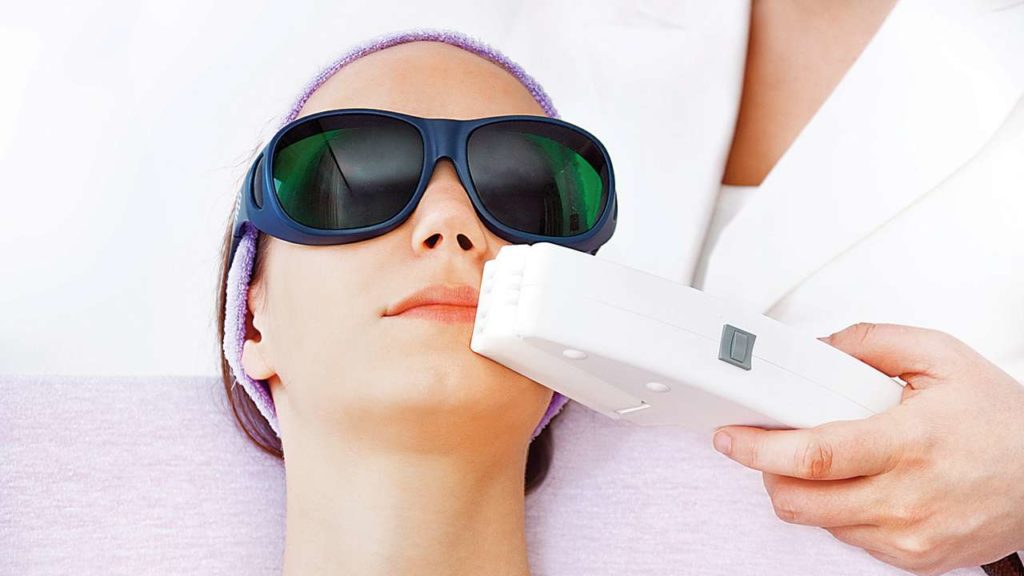

Does Laser Epilation Cause Acne?
Laser epilation is an effective method used to permanently or long-term reduce unwanted hair. However, one of the most frequently asked questions about this procedure is whether laser epilation will cause acne. The answer is usually no. When applied correctly and with the appropriate devices, laser epilation is not expected to cause acne. On the contrary, laser epilation can improve the health of the skin and improve existing acne problems.
Effects of Laser Epilation on the Skin
During laser epilation, laser beams target the hair follicles and weaken the growth ability of these follicles. At the same time, as the hair on the skin surface decreases, the pores become less clogged and the skin breathes more easily. This can reduce the risk of acne, especially in people with oily skin. The oil, dirt and dead cells accumulated on the skin surface are cleaned more easily as the hair decreases.
Laser epilation has an indirect purifying effect on the skin. With the reduction of hair, there is a significant decrease in problems such as ingrown hair problems, inflammatory acne and hair root infections (folliculitis). These effects contribute to the smoother and healthier appearance of the skin.
Situations That Appear to Cause Acne
Some people may notice small blisters or redness on the skin after laser epilation. However, this is usually not acne. After the laser procedure, a slight sensitivity may occur in the hair roots and this may temporarily manifest itself as small red dots. These reactions usually disappear on their own within a few hours or at most a few days. A cold compress or a cream recommended by the doctor can be applied to soothe the skin.
The Opposite: Laser Epilation Can Be Good for Acne
Laser epilation is a very effective solution, especially for inflammatory acne caused by ingrown hairs. The weakening of the hair roots with laser prevents the formation of ingrown hairs and therefore eliminates such acne problems. In addition, laser epilation reduces the risk of oil accumulation and inflammation since it allows the pores to be more open.
In some people, excessive hair growth and acne caused by hormonal reasons can also be reduced with laser epilation. For example, in conditions such as polycystic ovary syndrome (PCOS), both hair growth and acne problems are common. Laser epilation can reduce the hair growth problem and improve the general condition of the skin.
Conclusion: The Relationship Between Laser Epilation and Acne
Laser epilation does not cause acne when done correctly. In fact, it contributes to the cleaning of hair follicles and pores, improving skin health and preventing acne formation. Temporary redness and sensitivity seen after laser should not be confused with acne, and such conditions usually resolve in a short time. People with acne problems can safely prefer laser epilation and benefit from its results. However, it is important to have the procedure done under the supervision of a specialist in a professional clinic in any case.
 Call
Call
 Whatsapp