


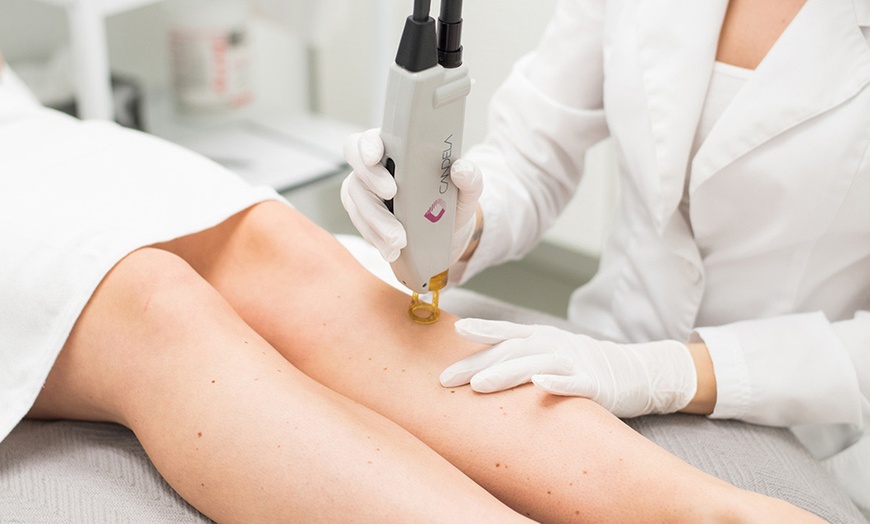

Laser hair removal is a high-tech method used to permanently remove unwanted hair. In this method, special laser beams are used to damage the hair roots and prevent the hair growth cycle. Laser hair removal stands out as a fast, effective and painless method.
During the laser hair removal process, the beam focuses on the hair roots and targets the melanin pigment. Melanin is a substance that allows hair to grow. The laser beam destroys the hair roots by heating the melanin, so the hair does not grow for a longer time. This method helps to permanently reduce hair in different parts of the body.
Laser hair removal can be applied to many body areas such as the face, legs, armpits, and bikini area. Although there is a slight feeling of heat during the procedure, it is quite comfortable for most people. Laser hair removal is considered a safe and effective method.
Is There a Risk of Fungus in Laser Hair Removal?
Laser hair removal is generally a safe procedure and does not increase the risk of fungus. However, in some cases, the risk of infection may increase due to incorrect applications or improper hygiene conditions.
During the laser hair removal process, small wounds may form on the skin. These wounds may invite fungal infections. In particular, if proper care and hygiene measures are not taken after the procedure, the risk of fungal infection may increase.
In addition, if the person's immune system is weak or if they have chronic diseases such as diabetes, the risk of fungal infection may be higher. Therefore, the person's health status should be carefully evaluated before and after laser hair removal.
In general, taking proper hygiene measures during and after the laser hair removal process will minimize the risk of fungal infection.
How Can Fungal Infection Be Prevented After Laser Hair Removal?
It is important to follow the following steps to prevent fungal infection after laser hair removal:
Follow Hygiene Rules: Keeping the area clean after the procedure reduces the risk of infection. Wash the area regularly, keep it clean and dry.
Use Moisturizers: Prevent the skin from drying out by moisturizing the procedure area. Use moisturizers especially in sensitive areas such as the bikini area.
Prefer Highly Oxygenated Clothing: Wear loose, breathable clothing instead of tight, closed clothing. This helps the area to ventilate.
Take Care to Dry After Bathing: After bathing, be sure to dry the treatment area thoroughly. Moist areas can create a suitable environment for fungal infections.
Use Antibacterial Products: You can prevent bacterial growth by applying antiseptic products to the treatment area.
Consult a Doctor: If you see any signs of infection, consult your doctor immediately. Early intervention helps control the infection.
Applying these precautions after laser epilation will significantly reduce the risk of fungal infections. In addition, regularly meeting with your doctor before and after the procedure will help you have a safe and healthy process.
Tips for Making Laser Epilation Safe and Effective
You can consider the following tips to perform laser epilation safely and effectively:
Choose an Experienced Specialist: Have laser epilation performed by a health professional who is an expert and experienced in the field. This ensures that the procedure is performed safely.
Choose the Right Laser for Your Skin Type: Different laser technologies are used for different skin types. Your specialist will choose the most suitable laser for your skin type.
Apply Proper Care Before and After: Use the care products recommended by your specialist before and after the procedure. This helps to keep the skin healthy and reduce the risk of infection.
Continue Regular Check-ups: Do not neglect to go to regular check-ups during the laser epilation process. Your specialist will closely monitor the progress of the procedure and your skin health.
Share Your Health Condition: If you have any chronic diseases or immune system problems, be sure to share them with your specialist. This will ensure that the necessary precautions are taken before the procedure.
Perform Sessions at Recommended Intervals: Laser epilation is a procedure that usually requires several sessions. Follow the session intervals recommended by your specialist so that you can achieve the most effective results.
Avoid Sun Exposure: Avoid exposure to sunlight after the procedure. Sun rays are important as they can cause damage to the skin.
Although laser epilation is a safe and effective method, correct applications and care are important.
 Call
Call
 Whatsapp