



Does Laser Hair Removal Cause Infertility?
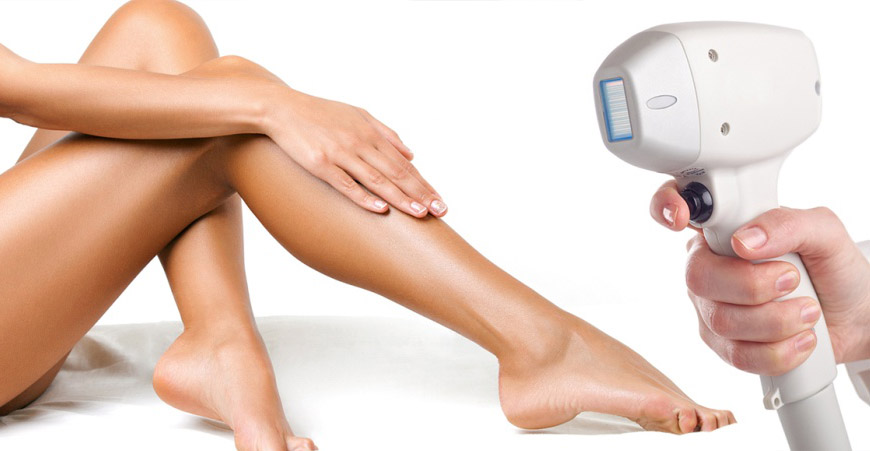
Laser hair removal is an effective method used to remove unwanted hair. This process is carried out by applying high-energy light beams (laser) to the hair follicles. The laser targets the pigment called melanin, damaging the hair follicles and preventing hair growth. The method is especially used in sensitive areas such as the face, armpits and bikini area and provides long-term hair reduction.
Laser hair removal is a method that is becoming increasingly popular and preferred by many people. However, some people have concerns about the effects of this procedure on infertility. Therefore, it is important to conduct a detailed examination of the infertility risk of laser hair removal.
The Effect of Laser Hair Removal on Infertility
There are various opinions about the potential effects of laser hair removal on infertility. While some experts argue that laser rays can damage the reproductive organs and cause infertility, others state that there is no scientific evidence on this subject.
Risk of Infertility in Men:
In men, it is possible for laser rays to reach the testicles and negatively affect sperm production there.
However, there is no strong scientific evidence that laser hair removal causes male infertility.
It is recommended that men be more careful when having laser hair removal, especially in the genital area.
Risk of Infertility in Women:
In women, it is possible for laser beams to reach the ovaries and affect ovarian functions.
However, there is not enough scientific data on this issue either.
It is recommended that women do not have laser hair removal, especially during sensitive periods such as menstrual cycle and pregnancy planning.
Other Factors:
Other factors that may be associated with infertility with laser hair removal include the risk of infection, skin sensitivity and pain during the application.
However, such risks are quite low in laser hair removal performed properly by a professional physician.
In conclusion, current scientific data show that laser hair removal does not have a direct effect on infertility. However, due to individual differences and special conditions during the application, it is recommended that each person make a decision by taking their own health status into account.
The Relationship Between Laser Epilation and Infertility
In order to examine the relationship between laser epilation and infertility in more detail, it is necessary to evaluate the studies and expert opinions on the subject.
Scientific Studies:
Various scientific studies have shown that laser epilation does not have any negative effects on infertility.
In one study, no changes were observed in sperm quality and reproductive functions in men who underwent laser epilation.
In another study conducted on women, it was determined that laser epilation did not affect ovarian functions.
Expert Opinions:
Dermatology and reproductive health experts emphasize that laser epilation is not directly related to the risk of infertility.
However, some experts recommend that people who have laser epilation, especially in the genital area, should be more careful.
Other Factors:
Other factors that may be related to infertility with laser epilation include the risk of infection, skin sensitivity and pain during the application.
However, such risks are quite low in laser epilation performed properly by a professional physician.
In general, current scientific evidence and expert opinions indicate that laser hair removal does not have a direct effect on infertility. However, it is recommended that each individual make a decision based on their own health status.
Safety and Effectiveness of Laser Hair Removal
Laser hair removal is considered a safe and effective method. However, it is important to perform this procedure correctly and consider the associated risks.
Safety Precautions:
Laser hair removal should be performed by an experienced and certified specialist.
During the application, personal characteristics such as skin type and color should be taken into account.
Necessary protective equipment (glasses, gloves, etc.) should be used.
Hygiene rules should be followed to reduce the risk of infection.
Effectiveness Assessment:
Laser hair removal is an effective method that provides long-term reduction of unwanted hair.
Factors such as individual skin types, hair color and thickness can affect the effectiveness of the treatment.
An application process that usually varies between 4-6 sessions is required.
Side Effects and Risks:
The most common side effects of laser hair removal include temporary redness, swelling and tenderness.
Rarely, more serious side effects such as burns, pigmentation changes or infection may occur.
In such cases, it is important to consult a physician and receive appropriate treatment.
In conclusion, laser hair removal is considered a safe and effective method. However, correct application and consideration of personal characteristics are essential for safe and
 Call
Call
 Whatsapp