


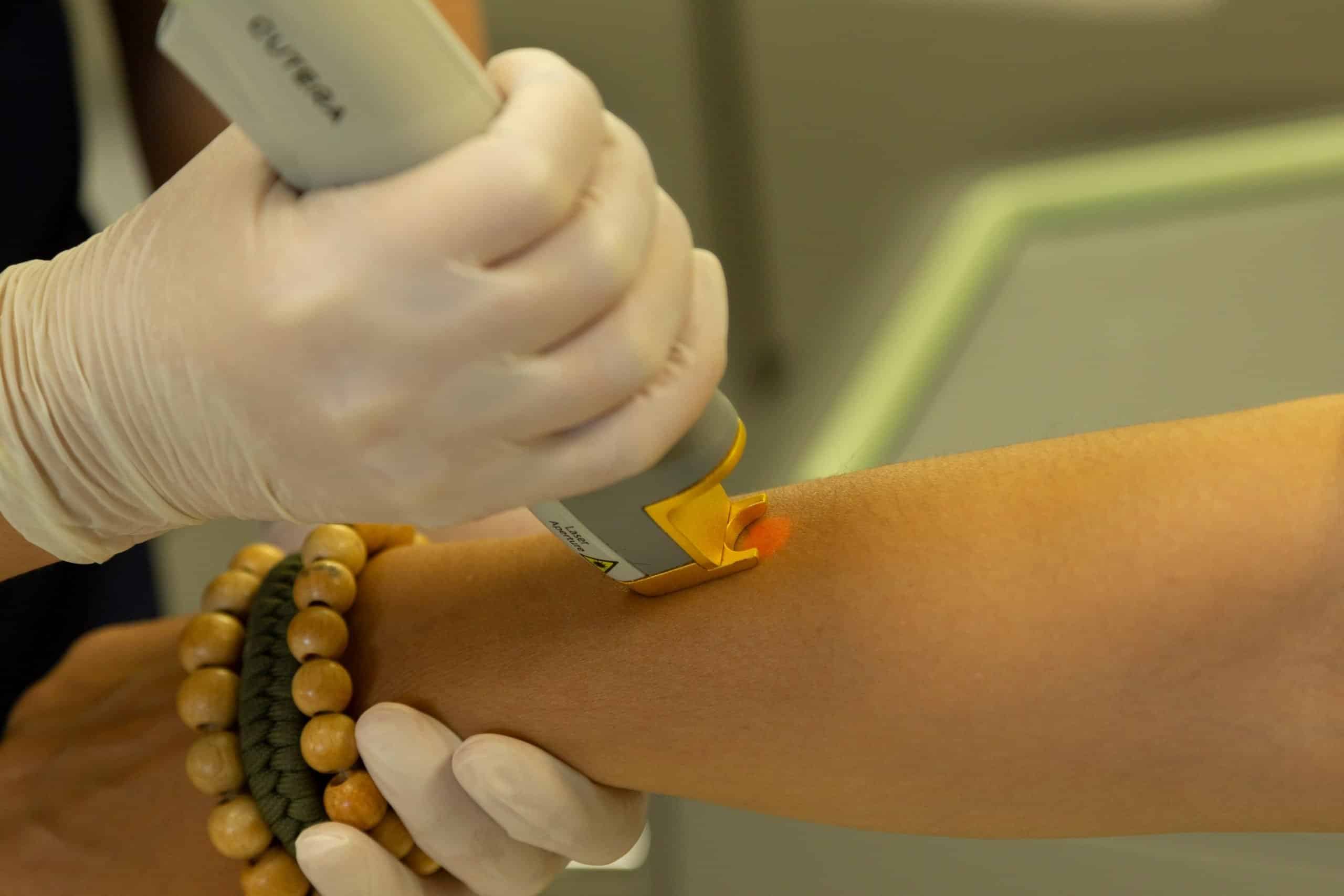

Laser hair removal is a technological method used to remove unwanted hair safely and effectively. This process targets the root of the hair using high-energy light beams and destroys them. Laser hair removal provides permanent results by preventing hair from growing back.
Laser light focuses on the pigment called melanin. Melanin is found in the cells in the hair roots and absorbs the light. This heat damages the hair root and prevents hair from growing. Thus, unwanted hair is eliminated for a long time.
Laser hair removal usually requires several sessions. The time between each session may vary depending on the person's skin and hair type. During this process, protection of the skin and eyes is extremely important.
Effects of Laser Hair Removal on the Eye
Eye health is of great importance during the laser hair removal process, as high-energy light beams are used. Laser light can damage the sensitive structure of the eye and cause various vision problems.
Potential risks to the eyes are as follows:
Temporary Vision Loss: The eye directly exposed to laser light may experience temporary vision loss. This can occur as a result of laser light reaching the retina.
Retinal Damage: Laser light can cause permanent damage to the retina. This can lead to decreased vision quality and even blindness.
Cataract Formation: Laser light can cause loss of transparency in the lens of the eye and the formation of cataracts.
Light Sensitivity: After laser epilation, increased sensitivity to light may be seen in the eyes. This may last for a temporary period.
Possibility of Laser Epilation Damaging the Eyes
During the laser epilation procedure, it is very rare for the eyes to be damaged. However, in some cases, this risk may occur:
Inexperienced Practitioner: If the person performing the laser epilation procedure does not have sufficient experience, it may pose a risk to eye health.
Failure to Use Appropriate Protective Equipment: If both the patient and the practitioner do not wear protective glasses during laser epilation, eye health may be at risk.
Incorrect Laser Settings: Incorrect adjustment of the laser device can cause excessive energy density that can damage the eyes.
Eye Movements: During laser epilation, unexpected movements of the patient's eyes can also put eye health at risk.
Precautions to Make Laser Epilation Safe
In order to perform laser epilation safely, it is important to take the following precautions:
Selecting an Experienced Practitioner: The person who will perform the laser epilation procedure must have sufficient training and experience.
Use of Protective Equipment: Both the patient and the practitioner must wear appropriate protective glasses to protect themselves from the laser light.
Correct Laser Settings: Correct adjustment of the laser device according to the patient and hair type is critical to protecting eye health.
Controlling Eye Movements: Precautions should be taken to prevent unexpected movements of the patient's eyes during laser epilation.
Regular Eye Checks: Regular eye checks should be performed before and after the laser epilation procedure to evaluate eye health.
Eye Protection Methods During Laser Epilation Procedure
During the laser epilation procedure, the following methods can be applied to protect the eyes:
Using Protective Eyewear: Both the patient and the practitioner must use appropriate protective eyewear to protect themselves from the laser light.
Closing the Eyelids: The eyelids can be closed to prevent direct contact of the laser light with the eye.
Controlling Eye Movements: During laser epilation, precautions should be taken to prevent unexpected movements of the patient's eyes.
Low Energy Settings: Using the laser device at low energy settings appropriate for the patient and hair type can help protect eye health.
Regular Eye Exams: Regular eye exams should be performed before and after the laser epilation procedure to evaluate eye health.
 Call
Call
 Whatsapp