


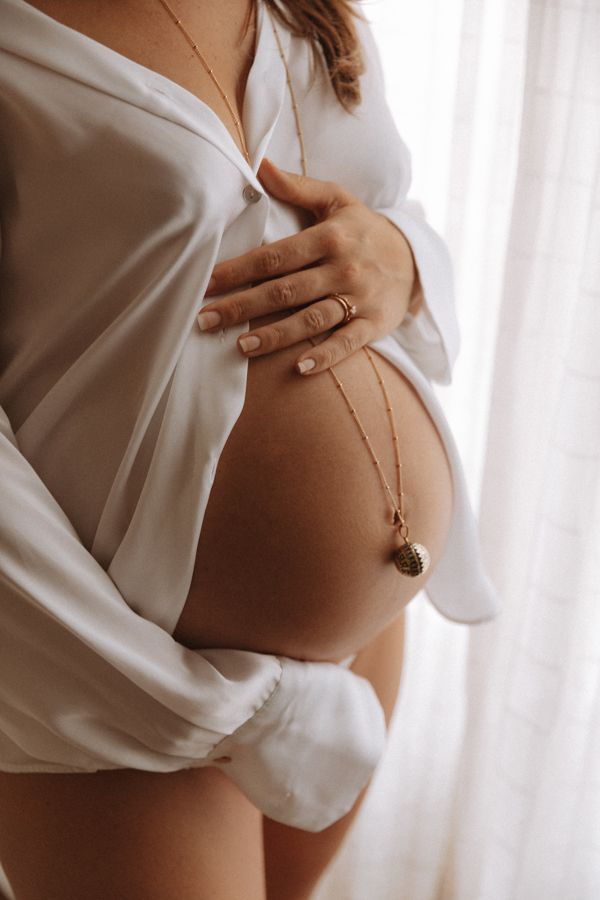

Does Laser Epilation Prevent Pregnancy?
Laser epilation is a widely used method to get rid of unwanted hair. However, the safety of this application and its effects on fertility are among the topics of interest for women who are planning to get pregnant or are pregnant. So, does laser epilation really prevent pregnancy?
Working Principle of Laser Epilation and Its Effect on the Body
Laser epilation targets the hair follicles using concentrated light energy and is absorbed by the melanin pigment in the roots and converted into heat. This heat prevents hair growth by weakening or destroying the hair follicles. Laser beams are only effective on the upper layer of the skin and do not reach deep tissues.
Since it does not have a direct effect on the reproductive organs or hormonal system, there is no scientific evidence that laser epilation will reduce fertility or prevent pregnancy. However, some important points should be considered.
Effects of Laser Epilation on Pregnancy
Although there is no definitive data that laser epilation prevents pregnancy, experts generally do not recommend laser epilation during pregnancy. The main reasons for this are:
Hormonal Changes and Skin Sensitivity:
During pregnancy, estrogen and progesterone levels in the body increase. These hormonal changes can make the skin more sensitive. The risk of side effects such as irritation, redness and blemishes after laser hair removal may increase.
Skin Color Changes (Hyperpigmentation):
Hyperpigmentation, or darkening of the skin, is frequently seen during pregnancy. Laser hair removal can increase this situation, especially in sensitive areas, and can cause permanent blemishes.
Insufficient Research on Safety:
There are not enough scientific studies examining the effects of laser hair removal on pregnancy. Since experimental studies have not been conducted on pregnant women, the long-term effects of laser beams on the baby or the mother are not fully known.
It Can Cause Discomfort and Stress:
A slight pain or burning sensation may occur during laser hair removal. Since the body is more sensitive during pregnancy, this feeling may be experienced more intensely. In addition, it is recommended that the expectant mother avoid unnecessary pain so that her stress and anxiety levels do not increase.
Unexpected Skin Reactions May Develop:
During pregnancy, the immune system may work differently and the skin may react differently to laser beams than expected. Even in people who do not normally experience side effects, unexpected irritations, redness or allergic reactions may occur.
Laser Epilation Recommendations for Those Planning Pregnancy
If you are planning to get pregnant, there is no medical harm in getting laser epilation. However, when you learn that you are pregnant, it is important to consult your doctor and get information about whether or not to continue the treatment. Generally, laser epilation sessions are postponed during pregnancy and postponed until the postpartum period.
Is Laser Epilation Safe During Pregnancy?
Many experts do not recommend getting laser epilation during pregnancy. It may be harmful to apply laser to areas that grow and become sensitive during pregnancy, especially the abdomen, waist, chest and bikini area.
Alternatively, safer methods such as razor or waxing can be preferred to get rid of hair during pregnancy. However, caution should be exercised as methods such as waxing can also increase skin sensitivity.
Conclusion
There is no scientific evidence that laser hair removal has a negative effect on fertility. However, due to changes in hormone levels during pregnancy, skin sensitivity may increase and laser hair removal may cause some unwanted side effects. In addition, since sufficient clinical research has not been conducted on pregnant women, the safety of laser hair removal during pregnancy has not been fully proven.
Therefore, it would be the safest approach for women who are planning a pregnancy or are pregnant to consult their doctor before having laser hair removal. If you are pregnant, it is recommended that you postpone laser hair removal procedures until after birth.
 Call
Call
 Whatsapp