


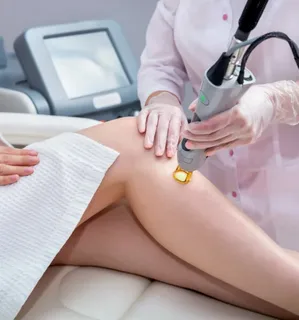

Laser ingrown hairs are the process of breaking down pigment deposits that form in our body and mostly create unwanted images, and removing them from the body with the help of laser light. These pigment deposits can occur for various reasons and can negatively affect the person's appearance.
Laser ingrown hairs are a very effective method that is frequently used in the field of cosmetic surgery today. It helps to remove unwanted pigment deposits such as tattoos, spots, warts, and injury marks on our body. It can also be preferred for purposes such as reducing signs of aging and eliminating skin tone irregularities.
Laser Ingrown Hair Removal Methods
Various methods are used for laser ingrown hair removal. The most frequently preferred of these are:
Q-Switched Laser: This method breaks down pigment deposits using short-term and high-energy laser pulses. It is effective in eliminating various pigment problems such as tattoos, spots, and warts.
Fractional Laser: Focusing on specific areas of the skin surface, this method targets pigment formations in the skin. It can be used for skin tone irregularities, signs of aging, and spots.
Pulsed-Dye Laser: This laser, which is specifically applied to pigmented tissues, breaks down pigment deposits in blood vessels. For example, it is effective in eliminating problems such as red spots and vascular protrusions.
Nd:YAG Laser: This laser, which targets deep pigment deposits, can be preferred for tattoos and spots. It breaks down pigments in deeper layers and removes them from the body.
Each method has its own advantages and areas of application. The most appropriate laser method should be determined according to the person's needs and skin characteristics.
How is Laser Ingrown Hair Removal Performed?
Laser ingrown hair removal is usually performed by a skin care specialist or plastic surgeon. Before the procedure, the skin is evaluated and the most appropriate laser method is determined.
During the application, the skin is first cleaned and sterilized. Then, the laser beam is applied to the areas where the pigment deposits are located with the selected laser device. The laser beam breaks down the pigment cells and removes them from the body.
A slight heat and pressure sensation may be felt during the procedure. However, the procedure is usually painless and short-term. After the procedure, temporary redness and swelling may occur in the area, but these effects disappear within a few days.
Laser Ingrown Hair Removal Process and Effects
The laser ingrown hair removal process is usually performed in several sessions. In the first session, most of the pigment deposits are broken down and removed from the body. However, a period of 3-6 sessions is usually required for a full result.
A rest period of 4-8 weeks is left between each session. This period is important for the body to renew and heal itself. In addition, it is possible to observe the changes that occur in the person's skin during this period.
As a result of the laser ingrown hair removal procedure, a significant improvement is achieved in the person's appearance. Unwanted pigment deposits such as tattoos, spots, warts are removed and the skin gains a more uniform, homogeneous appearance. In addition, it is possible to reduce the signs of aging and improve skin tone.
Laser Ingrown Hair Removal Aftercare Tips
It is extremely important to take care of your skin after the laser ingrown hair removal procedure. The following tips can help you during this process:
Sun Protection: After the procedure, the skin's sensitivity to sunlight increases. Therefore, be careful to use sunscreen and avoid sun exposure.
Moisturizers: Nourish your skin with suitable moisturizers for redness and dryness that occur after the procedure. Choose products with high moisturizing content according to your skin's needs.
Mild Cleansing: Wash your skin with mild and gentle cleansers due to its sensitivity after the procedure. Avoid foamy and alcoholic products.
Recovery Period: The recovery process may take a few days. During this period, take extra care of your skin and limit your activities.
Doctor Check-ups: Have regular check-ups with your skin specialist after the procedure. It is important to notice possible complications early and take the necessary precautions.
I recommend that you consult a specialist skin care center to learn more about laser ingrown hairs and determine the most appropriate method. Experts will determine the most appropriate treatment option according to your specific needs and manage the process safely.
 Call
Call
 Whatsapp