



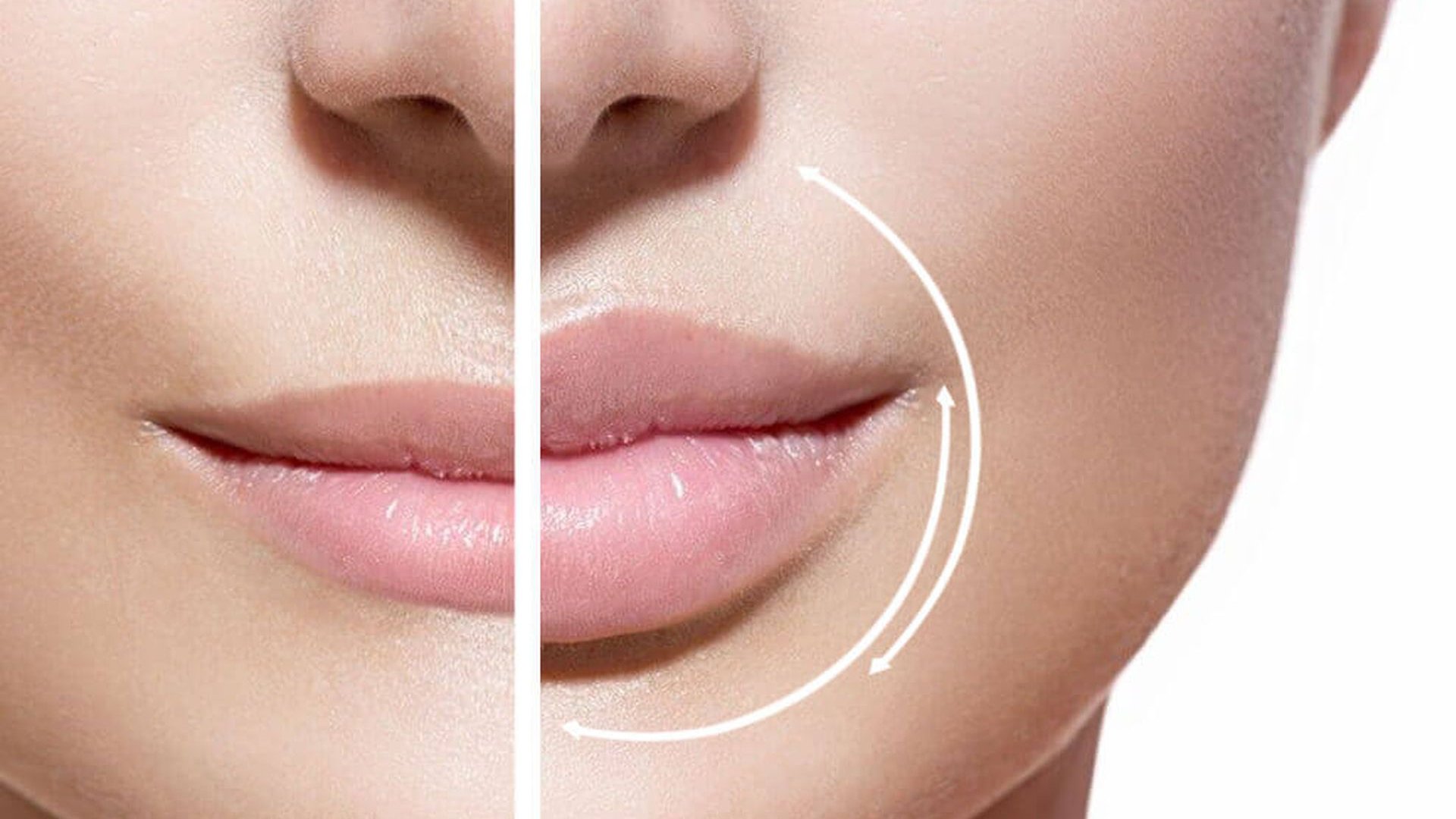
Lip fillers can improve a person's appearance by making lips look younger and fuller. This procedure can make lips more sexy and attractive and can also lead to increased self-confidence. However, improper or faulty lip filler may cause allergic reactions.
What is Lip Filling Allergy?
Lip filler allergy is an abnormal immune response to the substances used during the lip filler procedure. This allergic reaction may occur due to sensitivity or intolerance to the filler.
Lip filler allergy occurs when the person's immune system perceives the filler as a foreign substance and initiates a defense mechanism against it. This may cause various allergic symptoms to occur.
Lip Filling Allergy Symptoms
Lip filler allergy can manifest itself with various symptoms. These include:
• Swelling: Sudden swelling, redness and painful lips.
• Itching: Severe itching and burning sensation on the lips.
• Redness: Lips showing signs of redness and inflammation.
• Pain: Tension, pain and tenderness in the lips.
• Rash: Blisters, flaking or dryness on the lips.
• Shortness of Breath: Difficulty in breathing due to swelling in the face and throat.
These symptoms may vary depending on the severity of the allergic reaction to the filler. While some people may have mild symptoms, others may experience more serious reactions.
Lip Filler Allergy Risk Factors
The risk of developing lip filler allergy depends on several factors. Among them:
1. Past Allergic Reactions: Having previously had an allergic reaction to lip fillers or other cosmetic products.
2. Immune System Problems: Immune system problems such as autoimmune diseases and immunodeficiency.
3. Skin Sensitivity: The person has general skin sensitivity.
4. Age: The risk of allergic reactions may be higher in older people.
5. Genetic Predisposition: Genetic predisposition to allergic reactions.
People with any of these risk factors should be careful and consult their doctor before the lip filler procedure.
How to Prevent Lip Filler Allergy?
These steps can be followed to prevent lip filler allergy:
6. Sharing Medical History: Tell your doctor about your past allergic reactions, immune system problems and skin sensitivities.
7. Detecting Allergens: Have skin tests done to determine if there is sensitivity to previously used fillers.
8. Selection of Appropriate Filling Material: Together with your doctor, choose the filling material with the lowest risk of allergic reaction.
9. Slow Application: In the first session, a low dose of filler should be used and the reaction should be observed.
10. Follow-up Period: It should be closely monitored for swelling, redness or other symptoms for at least 2 weeks after the procedure.
When these precautions are taken, it is possible to significantly reduce the risk of lip filler allergy.
Lip Filling Allergy Treatment
In case of lip filler allergy, appropriate treatment methods may include:
11. Antihistamines: Antihistamine medications can be used to reduce itching, redness and swelling.
12. Corticosteroids: Topical or systemic corticosteroids may be prescribed to control severe inflammation.
13. Epinephrine Injection: In severe allergic reactions, epinephrine injection can be administered as an emergency treatment.
14. Filler Removal: In case of severe allergic reaction, surgical removal of the injected filler may be required.
15. Desensitization Therapy: In some cases, desensitization therapy can be applied by controlled and slow exposure.
Depending on the severity of the allergic reaction, your doctor will determine the appropriate course of treatment. Early diagnosis and correct treatment are important in controlling allergic reactions.
Frequently Asked Questions About Lip Filler Allergy
16. How common is lip filler allergy?
• Lip filler allergy is generally a rare condition. However, frequency may vary depending on a person's individual sensitivity.
17. Is lip filler allergy permanent?
• Lip filler allergy is usually temporary and symptoms can be controlled with appropriate treatment. However, in some cases, the allergic reaction may be permanent.
18. Can lip filler allergy trigger other types of allergies?
• Yes, lip filler allergy can cause allergic reactions in other parts of the body. Therefore, allergic people should be especially careful.
19. How can lip filler allergy be diagnosed?
• Lip filler allergy usually manifests itself with symptoms such as swelling, redness and itching. Your doctor can make the diagnosis through physical examination and, if necessary, skin tests.
20. What happens if lip filler allergy is left untreated?
• If left untreated, lip filler allergy may become severe and lead to serious complications. Therefore, the symptom
Does Lip Filling Cause Allergies?
Free Information,
Consultation and Appointment Request
 Call
Call
 Whatsapp