



Hair loss is a condition in which more hair falls out than the normal amount. While 50-100 hair loss per day is considered normal, loss above this amount is considered hair loss. Hair loss is a common problem in men and women and can occur due to various reasons.
Hair loss prevents the healthy regeneration of hair, causing a decrease in hair quality and density. This may cause aesthetic and psychological problems. Hair loss can negatively affect a person's quality of life and self-confidence.
Hair loss problem can be controlled with early diagnosis and appropriate treatment methods. It is important to understand the causes of hair loss and create a personalized treatment plan. Thus, hair can grow back in a healthy way.
Causes of Hair Loss
There may be many reasons for hair loss. These include hormonal changes, stress, nutritional disorders, medication use, health problems and genetic factors. The causes of hair loss may vary from person to person and a professional evaluation is required to make a correct diagnosis.
Hormonal changes are one of the common causes of hair loss, especially in men. Hair follicles shrink over time due to the effect of the testosterone hormone, which can lead to hair thinning and loss.
Stress can also cause hair loss. Intense stress can disrupt the body's balance and lead to hair loss. In addition, stress-related sleep disorders and changes in eating habits can also trigger hair loss.
Malnutrition, vitamin and mineral deficiencies can also cause hair loss. Especially iron, zinc, vitamin B12 and protein deficiencies can negatively affect hair health.
Medication use, especially some medications such as chemotherapy drugs, antidepressant drugs, and blood thinners, can also cause hair loss. Hair loss caused by medication use usually returns to normal when the medication is stopped.
Some conditions such as health problems, thyroid diseases, iron deficiency anemia, polycystic ovary syndrome can also cause hair loss. In this case, it is important to treat the actual health problem.
Genetic factors may also play a role in hair loss. In some people, hair loss may be hereditary. This is a common problem, especially in men.
Hair Loss in Men and Genetic Factors
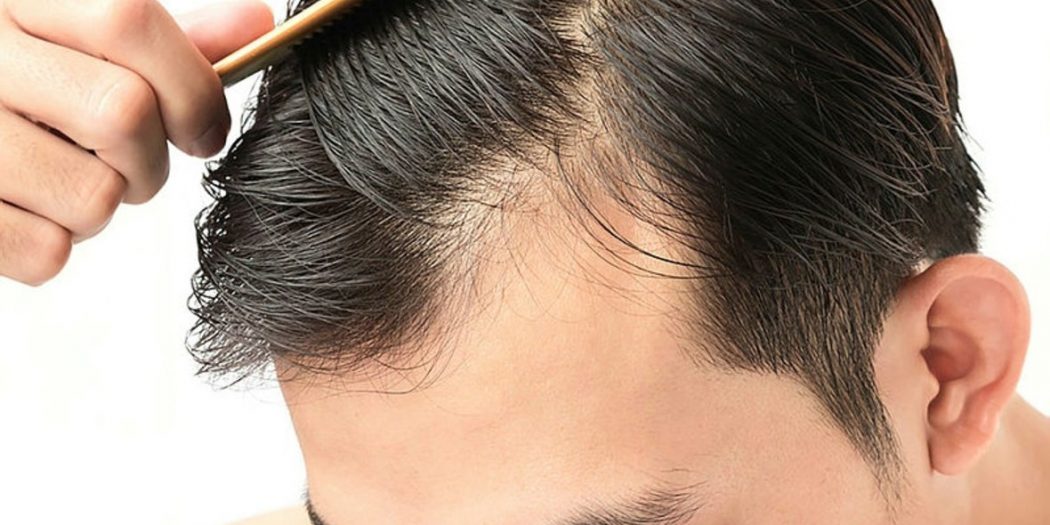
Hair loss in men often occurs due to genetic factors. This condition, also known as male pattern hair loss (androgenetic alopecia), occurs as a result of hair follicles shrinking over time under the influence of the testosterone hormone.
Male pattern hair loss usually begins in the early 20s and becomes more pronounced with advancing age. Hair usually thins and falls out starting from the forehead line towards the back area.
The main reason behind male pattern hair loss is the effect of the hormone DHT (dihydrotestosterone) on the hair follicles. The conversion of testosterone hormone into DHT via enzymes causes hair follicles to shrink and weaken.
Genetic factors play an important role in the development of male pattern hair loss. If there is a hair loss problem in your family, you are likely to be affected by this condition. However, male pattern hair loss is not completely hereditary and environmental factors may also be effective.
To slow or stop the progression of male pattern hair loss, it is important to diagnose it early and apply appropriate treatment methods. Thus, healthy regrowth of hair can be achieved.
Hair Loss Treatment and Methods
Hair loss problem can be controlled with correct diagnosis and appropriate treatment methods. Treatment methods vary depending on the cause of hair loss.
First, the cause of hair loss must be determined. For this, it is recommended to consult a dermatologist and have a comprehensive examination. The specialist determines the underlying cause of hair loss by performing the necessary tests.
Once the cause of hair loss is determined, appropriate treatment methods are applied. These include various methods such as drug therapy, laser treatment and hair transplantation.
Drug treatment involves the use of prescription medications that vary depending on the cause of hair loss. Medications such as minoxidil and finasteride can be effective in preventing hair loss and increasing hair density.
Laser treatment stimulates hair follicles using low-intensity laser beams. This method can help in reducing hair loss and improving hair quality.
Hair transplantation is the process of transferring healthy hair follicles to areas with hair loss problems. This method can increase hair density by providing a permanent solution.
In addition, supportive treatments such as regulating eating habits, applying methods of coping with stress, and using natural products can also be used to control hair loss.
Does Lost Hair Grow Back? Male
Free Information,
Consultation and Appointment Request
 Call
Call
 Whatsapp