



What is Omega-3?
Omega-3 fatty acids are essential oils that are extremely important for our body, but cannot be produced by our body and must be taken from outside. These fatty acids, which are abundant in foods such as fish oil, flaxseed, and walnuts, provide benefits in many areas from heart health to brain functions. Omega-3 is also known for its anti-inflammatory properties and can also have positive effects on skin health.
Effect of Omega-3 on Skin
Omega-3 fatty acids can help reduce inflammation in the skin. Especially in skin problems such as acne, the anti-inflammatory effect of these fatty acids can soothe redness, swelling, and inflammation in the skin. Omega-3 also strengthens the skin barrier, prevents moisture loss, and makes the skin look healthier. For these reasons, omega-3 generally plays a supporting role in acne treatment.
Can Omega-3 Cause Acne?
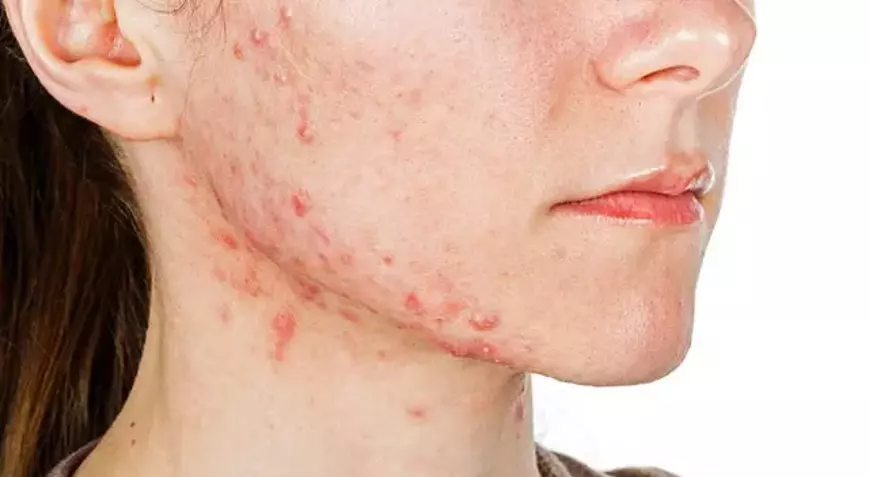
For most people, Omega-3 fatty acids do not cause acne, on the contrary, they can help prevent acne formation. However, each skin type is different and in some rare cases, excessive omega-3 intake can increase oil production in the skin. This can lead to clogged pores and potentially cause acne. In other words, the possibility of omega-3 causing acne on the skin may be in question if the dosage is excessive and not suitable for the person's skin structure.
How Much Omega-3 Should We Take?
It is very important to have a balanced omega-3 intake. Taking 1-2 grams of omega-3 per day is generally considered a healthy dosage. However, some people can use higher doses. Another important point to consider when using omega-3 supplements is to have a balanced diet and include other sources of healthy fats in your diet. The best way to increase omega-3 intake is to get it from natural sources, especially from foods such as fish, walnuts, and chia seeds.
Omega-3 and Acne Treatment
Omega-3 may have some positive effects in the treatment of acne. However, omega-3 is only a supporting factor. In the treatment of active acne, direct medications or treatment methods (e.g. topical creams, medications, laser treatment) are usually more effective. The inflammation-reducing effect of omega-3 on the skin can also help in the treatment of acne scars. Regular omega-3 intake can help reduce scars that may occur after acne by improving skin health.
The Effect of Omega-3 on Your Skin Type
Each skin type is different. For example, oily skin should be more careful about omega-3 intake because high doses of omega-3 can increase oil production. Dry skin can benefit greatly from omega-3 because this fatty acid strengthens the skin barrier and prevents moisture loss. Omega-3 is also an important nutrient that supports general skin health for normal skin. Therefore, it is important to consider your skin type before you start using omega-3 supplements.
What Should You Pay Attention to When Taking Omega-3?
When using omega-3 supplements, make sure the dosage is appropriate. High doses can cause oily skin in some people. It is also important to pay attention to the quality of omega-3 supplements. There are many different omega-3 supplements on the market, but their content may vary. To get the best results, it is important to choose quality and reliable brands.
In Conclusion
Omega-3 does not cause acne, on the contrary, it supports skin health and can prevent acne formation by reducing inflammation. However, the effect of omega-3 on the skin can vary from person to person. If you notice a negative effect of omega-3 on your skin, you can stop the supplement and consult a specialist dermatologist. Taking omega-3 regularly and in a balanced way will contribute to your skin looking healthy and smooth.
 Call
Call
 Whatsapp