


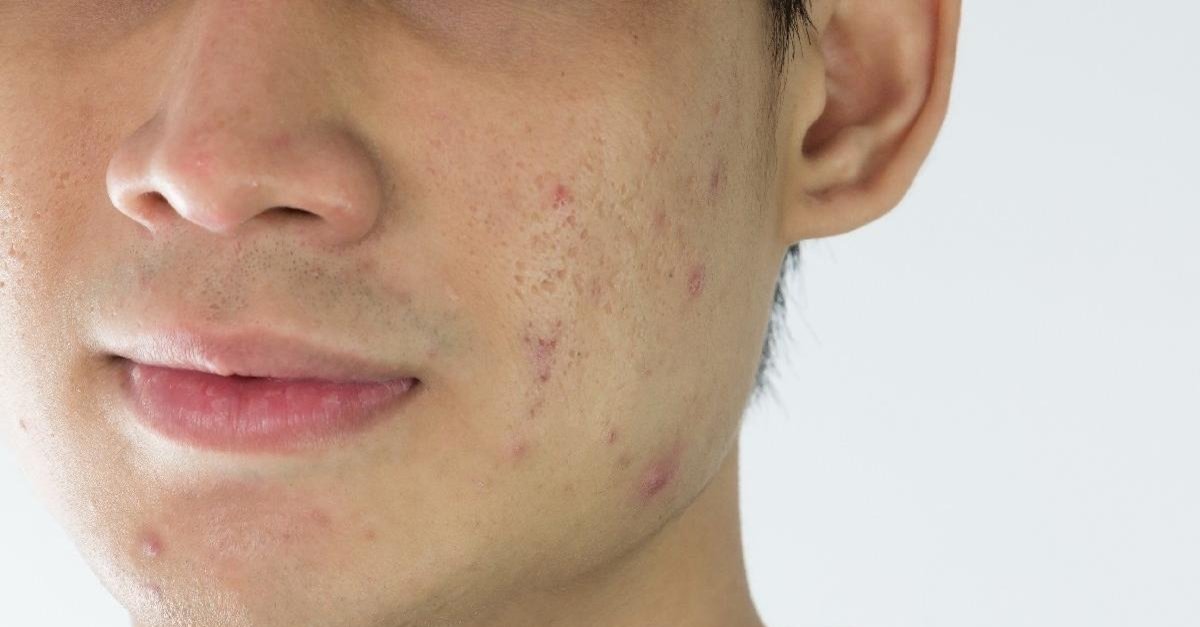

Does Sugar Cause Acne?
A number of factors can cause acne, and eating habits are at the forefront of these factors. There are various studies that sugar consumption in particular increases acne.
The Effect of Sugar on the Skin
Sugar consumption can have a direct or indirect effect on skin health. Consuming high-sugar foods can increase the body's insulin levels, leading to hormone imbalances. This can trigger acne formation.
Increased Insulin Levels: Sugar consumption rapidly increases the insulin level in the blood. Increased insulin levels make the sebaceous glands more active and cause the skin to produce more sebum (oil).
Increased Inflammation: Excessive sugar consumption can increase inflammation in the body. Inflammation in the skin can cause acne to become redder and more swollen.
Hormonal Changes: Especially excessive insulin levels can cause fluctuations in hormone levels, increasing acne.
Sugary Foods and the Glycemic Index
The glycemic index (GI) is a value that indicates how quickly a food raises blood sugar. Foods with a high glycemic index raise blood sugar rapidly and increase insulin levels accordingly.
High Glycemic Index Foods: Foods such as white bread, sugary drinks, desserts, and processed snacks raise blood sugar rapidly.
Low Glycemic Index Foods: Foods such as whole grains, vegetables, and fruits are digested more slowly and increase blood sugar more evenly.
Studies show that acne formation is more common in people who eat high glycemic index foods. The fact that such foods increase insulin levels can accelerate oil production and increase the risk of acne.
The Effect of Reducing Sugar Consumption on Acne
Reducing sugar consumption can help control acne formation. For this, it is important to change some eating habits:
Consume Less Sugar: Staying away from sugary drinks, desserts and processed foods can help reduce acne.
Consume Whole Grains: Choose whole grain bread instead of white bread and brown rice instead of rice.
Eat Vegetables and Fruits: Vegetables and fruits rich in antioxidants can support skin health.
Increase Water Consumption: Increasing daily water consumption helps maintain the moisture balance of the skin.
The Effect of Sugar on Other Skin Problems
Sugar not only increases acne formation, but can also accelerate skin aging. Excessive sugar consumption can reduce collagen production in the skin, causing loss of elasticity. This can cause wrinkles and sagging to appear in the skin at an earlier age.
Decreased Collagen Production: Sugar causes a process called glycation in the body. In this process, sugar molecules bind to collagen, causing the skin to lose its firmness and elasticity.
Doctor's Advice
If your acne problem persists despite reducing your sugar intake, you may need to consult your dermatologist to create a more comprehensive treatment plan. Your doctor can recommend appropriate treatment methods depending on the condition of your skin.
Topical Treatments: Creams containing salicylic acid, benzoyl peroxide or retinoids.
Oral Treatments: Antibiotics or hormone-regulating drugs.
Dietary Changes: Seek expert advice on reviewing your diet.
Conclusion
Sugar is known to play a role in acne formation. Consumption of foods with a high glycemic index in particular can increase oil production in the skin and lead to acne. Following a healthy diet, reducing sugar intake and taking care of your skin can help solve this problem. If your acne problem persists, it would be best to consult your dermatologist and get professional support.
 Call
Call
 Whatsapp