


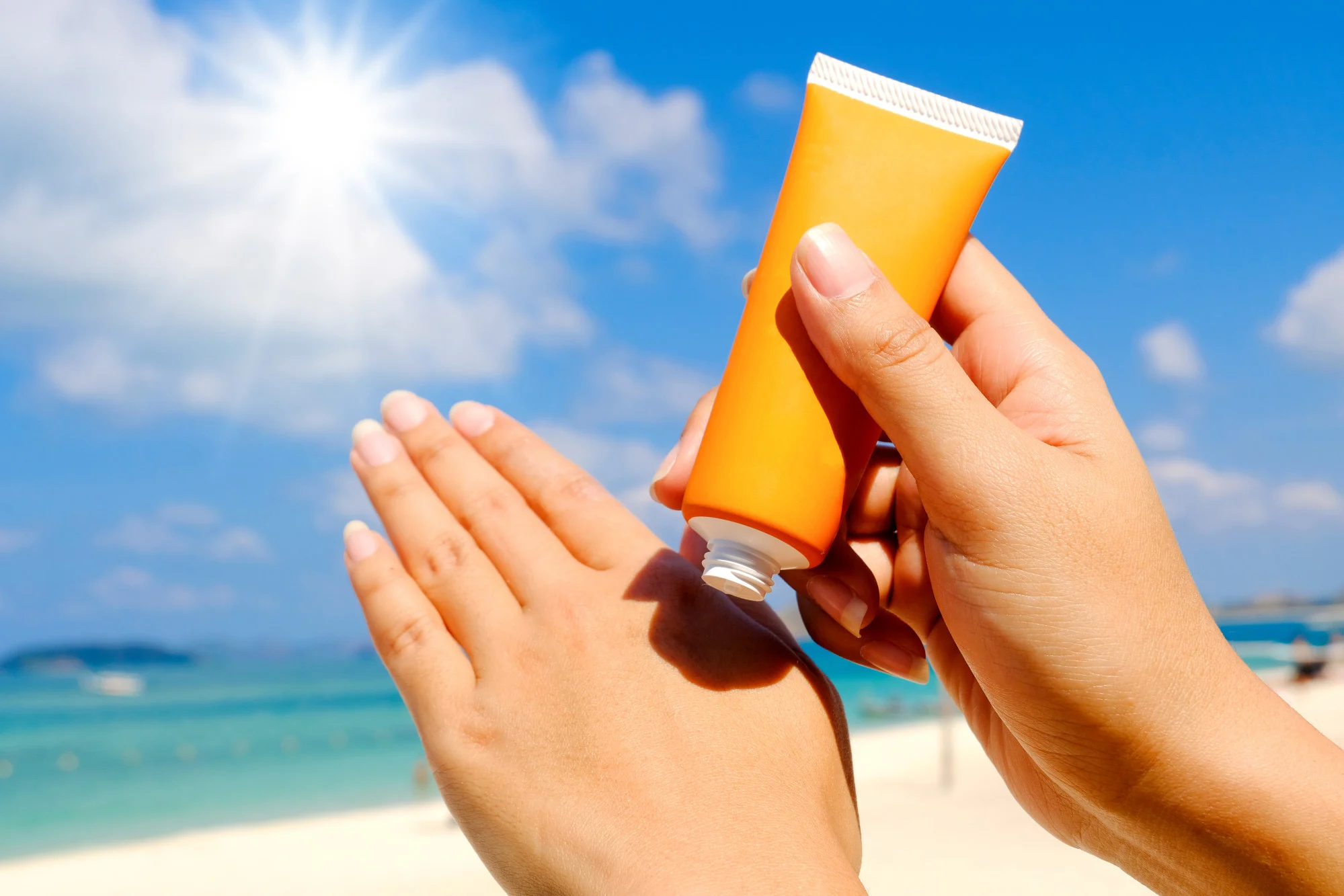

Sunscreen prevents sunlight from affecting the skin thanks to the chemical or physical filters it contains. Chemical filters absorb UV rays, while physical filters reflect or scatter the rays. Regular and correct sunscreen use is of critical importance for skin health.
Sunscreens vary according to skin type and needs. There are mattifying formulas for oily skin, moisturizing formulas for dry skin, and more sensitive formulas for sensitive skin. When choosing a sunscreen, the person's skin type and expectations should be taken into consideration.
The Relationship Between Sunscreen and Acne
Whether sunscreens cause acne is a frequently asked question. Indeed, some sunscreens can trigger acne. However, this is not true for every sunscreen.
The main feature of sunscreens that cause acne is that they have oily and occlusive ingredients. Especially sunscreens containing high amounts of oil, silicone or alcohol can block pores and cause acne. It is also known that perfumes, coloring agents and preservatives can cause acne problems.
However, choosing and using the right sunscreen can prevent acne problems. Sunscreens with non-comedogenic (non-pore-clogging) and oil-free formulas can prevent acne formation. In addition, skin cleansing, moisturizing and regular care also play an important role in reducing acne problems.
What to Consider When Choosing a Sunscreen?
There are a few important points to consider when choosing a sunscreen:
Skin Type: When choosing a sunscreen, it is important to consider the person's skin type (oily, dry, combination, sensitive, etc.). Choosing the right formula will be beneficial for both sun protection and skin health.
SPF Value: The SPF value, which is the protection factor of sunscreens, indicates the level of sun protection. Experts recommend using a sunscreen with at least SPF 30 in sunny weather.
Formula: There are differences between the formulas of sunscreens. Matte and light formulas should be preferred for oily skin, and moisturizing products for dry skin.
Allergic Reaction: When choosing a sunscreen, it is important to check if there is any allergic reaction to the ingredients it contains. Special formulas should be preferred for sensitive skin.
Certificates: It may be useful to consider certificates that show the reliability and effectiveness of sunscreens (e.g. COLIPA, Oeko-Tex, etc.).
Application Amount: Applying the right amount of sunscreen regularly is essential to provide effective sun protection.
Choosing and using the right sunscreen is very important for both sun protection and skin health.
Sunscreens That Cause Acne
The fact that sunscreens cause acne is usually related to some of the ingredients they contain. The following substances are sunscreen ingredients that can cause acne problems:
Oils: Sunscreens that contain high amounts of oil can clog pores and trigger acne. These include mineral oil, palm oil, coconut oil, and shea butter.
Silicon: Silicone-based ingredients can also cause pore clogging. Silicones such as dimethicone, cyclomethicone, and polydimethylsiloxane are in this group.
Alcohol: The high alcohol content in sunscreens can contribute to acne by causing skin dryness and irritation.
Perfume: Perfume and fragrances can cause allergic reactions and acne formation on sensitive skin.
Preservatives: It is known that parabens and similar preservatives found in sunscreens can increase acne problems.
Colorants: Synthetic colorants in sunscreens can also trigger acne formation.
Sunscreens with such ingredients may not be suitable for oily and acne-prone skin in particular. Choosing the right sunscreen plays a critical role in preventing acne problems.
Ingredients That Cause Acne
Some ingredients in sunscreens can trigger acne formation. The most common of these are:
Mineral Oils: Mineral oils, which are derived from petroleum, can clog pores and cause acne formation.
Coconut Oil: Coconut oil, which contains high levels of saturated fatty acids, can have an occlusive effect on the skin.
Shea Butter: Shea butter, an oily ingredient, can increase acne problems.
Dimethicone: Dimethicone, a silicone ingredient, can cause pore clogging.
Perfume: Perfume ingredients in sunscreens can cause allergic reactions in sensitive skin.
Parabens: Parabens, used as preservatives, are known to trigger acne.
Colorants: Synthetic coloring agents can also contribute to acne problems.
Such ingredients can be problematic, especially for oily and acne-prone skin. To prevent acne,
 Call
Call
 Whatsapp