


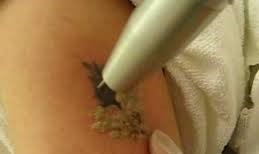

Tattoo removal can often cause mild discomfort or pain, but this can vary from person to person. Laser tattoo removal is one of the most commonly used methods, and there are several factors that affect the level of pain:
Pain During Tattoo Removal:
Pain Sensitivity: Each individual's pain threshold is different. Some people may feel mild discomfort as the laser beams hit their skin, while others may find it more painful.
Location and Size of the Tattoo: The area where the tattoo is applied can also affect the level of pain. Areas close to the bones (e.g. wrist, ankle, shoulder) may be more sensitive. Also, large and deep tattoos can cause more pain.
Laser Power: When powerful lasers such as Q-Switched lasers are used, tattoo removal can be a bit more painful. However, laser technology is becoming more precise and effective every day.
Pain Reduction Methods:
Cooling Systems: Laser devices usually have cooling systems, which make the procedure more comfortable and reduce pain.
Anesthetic Creams: Anesthetic creams can be applied before the procedure to relieve pain on the skin. These creams numb the upper layers of the skin and reduce pain.
Ice Application: Some clinics recommend applying a cold compress to relieve pain on the skin after the procedure.
Post-Procedure Pain:
After the procedure, there may be mild discomfort, redness or swelling on the skin. This usually goes away within a few hours to a few days.
Crusting: The formation of crusts is part of the natural healing process and usually does not cause pain, but itching and tenderness may be felt.
 Call
Call
 Whatsapp