



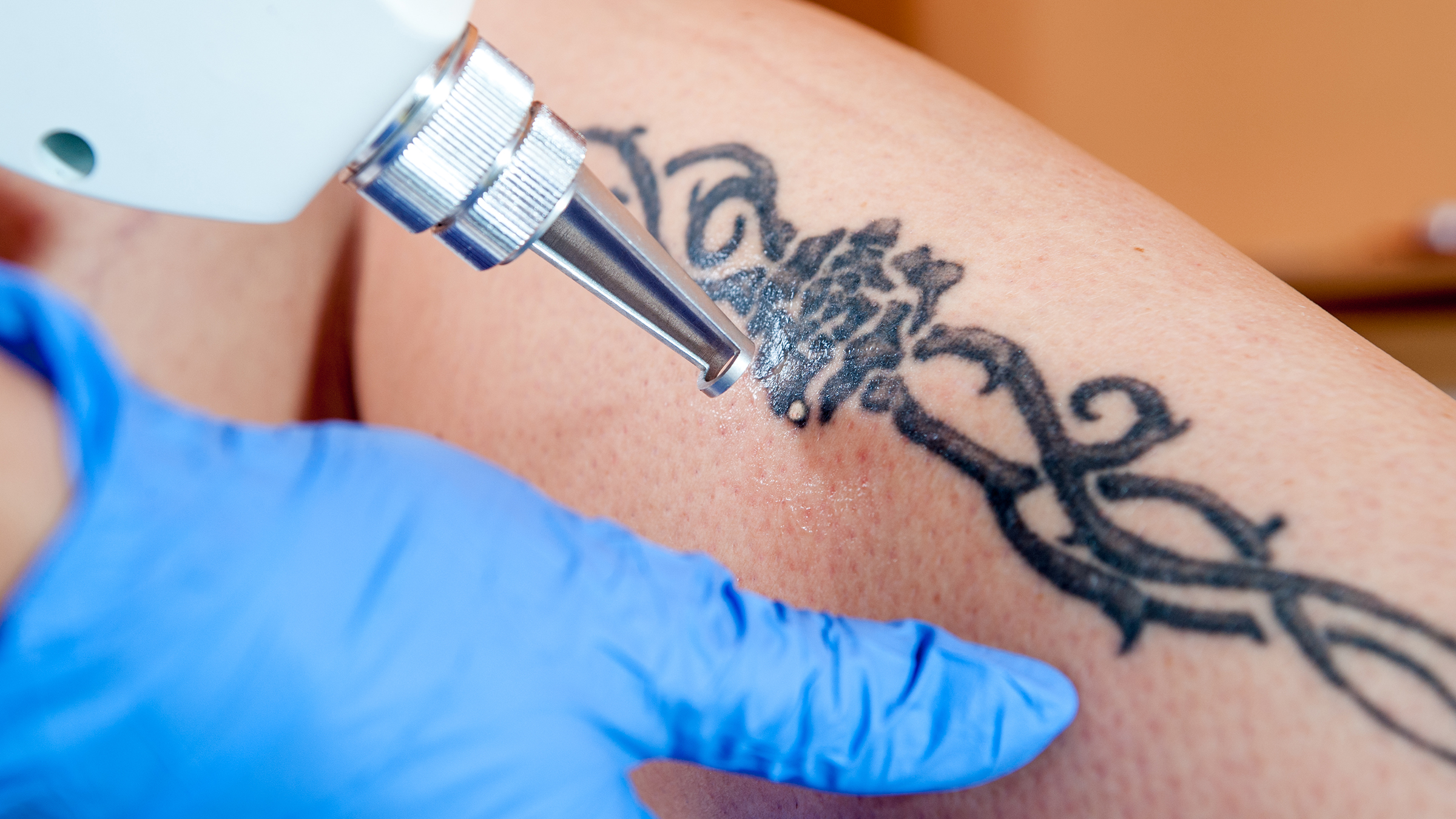
Tattoo removal is based on the principle of breaking down the pigment substance in the skin layer and removing it from the skin surface with the help of laser beams or chemical solutions. This process may have varying duration and results depending on the type of tattoo, the area where it is applied, and the person's skin structure.
Tattoo Removal Methods
Various methods are used for tattoo removal. The most common among these are:
1. Laser Tattoo Removal: High-energy laser beams break down tattoo pigments and remove them from the skin surface. Lasers of different wavelengths can be applied to various types of tattoos.
2. Chemical Tattoo Removal: Strong chemical solutions chemically break down tattoo pigments and remove them from the skin surface. This method is more aggressive and carries a higher risk of side effects than the laser method.
3. Surgical Tattoo Removal: The skin in the area where the tattoo is located is surgically removed. This method is especially used to remove large tattoos, but it carries the risk of leaving more permanent scars.
4. Tattoo Covering: It is the process of covering the existing tattoo by placing a new tattoo on it. This method does not completely remove the tattoo, but it changes its appearance.
How is Tattoo Removal Done?
The tattoo removal process usually includes the following steps:
5. Preliminary Examination: First, the type, location, size of the tattoo and the person's skin characteristics are examined by the tattoo removal specialist. This information is used to determine the most appropriate tattoo removal method.
6. Anesthesia: Tattoo removal may cause pain and discomfort. Therefore, local anesthesia is applied to the area before the procedure.
7. Application of the Tattoo Removal Method: The selected tattoo removal method (laser, chemical or surgical) is applied. This process is usually performed in several sessions.
8. Healing Process: After the tattoo removal process, temporary side effects such as redness, swelling and itching may occur in the area. The healing process is managed by following the care recommendations given by the specialist.
Does Tattoo Removal Leave a Scar?
After tattoo removal, there is a possibility that a permanent scar will remain on the skin. This scar may vary depending on the size of the tattoo, its depth, skin structure and the tattoo removal method applied.
Laser tattoo removal method generally leaves fewer scars. Chemical and surgical methods carry the risk of creating more permanent scars. However, the skin characteristics of the person are also effective in scar formation.
After tattoo removal, sometimes whitish, reddish or slightly pitted scars may remain in the area. However, over time, these scars lose their visibility and may disappear almost completely.
Care Recommendations After Tattoo Removal
After tattoo removal, it is important to follow the following care recommendations to heal the area and minimize scar formation:
• Wash the area several times a day with mild soap and keep it clean.
• Apply moisturizers and protective creams to the area.
• Protect from sunlight and avoid exposure to UV rays.
• Avoid physical activities and hot showers/baths.
• Follow the medication or treatment recommendations given by the specialist.
Best Timing for Tattoo Removal
The most appropriate time for tattoo removal may vary depending on the person's daily life and activity patterns. However, in general, the following suggestions can be taken into consideration:
• Avoid summer months as sunlight can negatively affect the healing process.
• Getting a tattoo removed during work or school holidays makes you more comfortable during the healing process.
• Avoid scheduling tattoo removal before special occasions, events or holidays, as the risk of scarring is higher.
Frequently Asked Questions About Tattoo Removal
Question: Is tattoo removal painful? Answer: Pain and discomfort may be felt during the tattoo removal process. However, this feeling can be minimized with local anesthesia.
Question: How many sessions does tattoo removal take? Answer: Tattoo removal is usually performed in 4-8 sessions. The size and depth of the tattoo and the person's skin characteristics affect the number of sessions.
Question: Is tattoo removal safe? Answer: Tattoo removal is safe when performed by expert hands and under appropriate conditions. However, some side effects (infection, allergic reaction, etc.) may occur.
Question: Will there be scars after tattoo removal? Answer: After tattoo removal, whitish, reddish or slightly pitted scars may often remain on the skin. However, over time, these scars lose their clarity.
Does Tattoo Removal Leave a Mark?
Free Information,
Consultation and Appointment Request
 Call
Call
 Whatsapp