


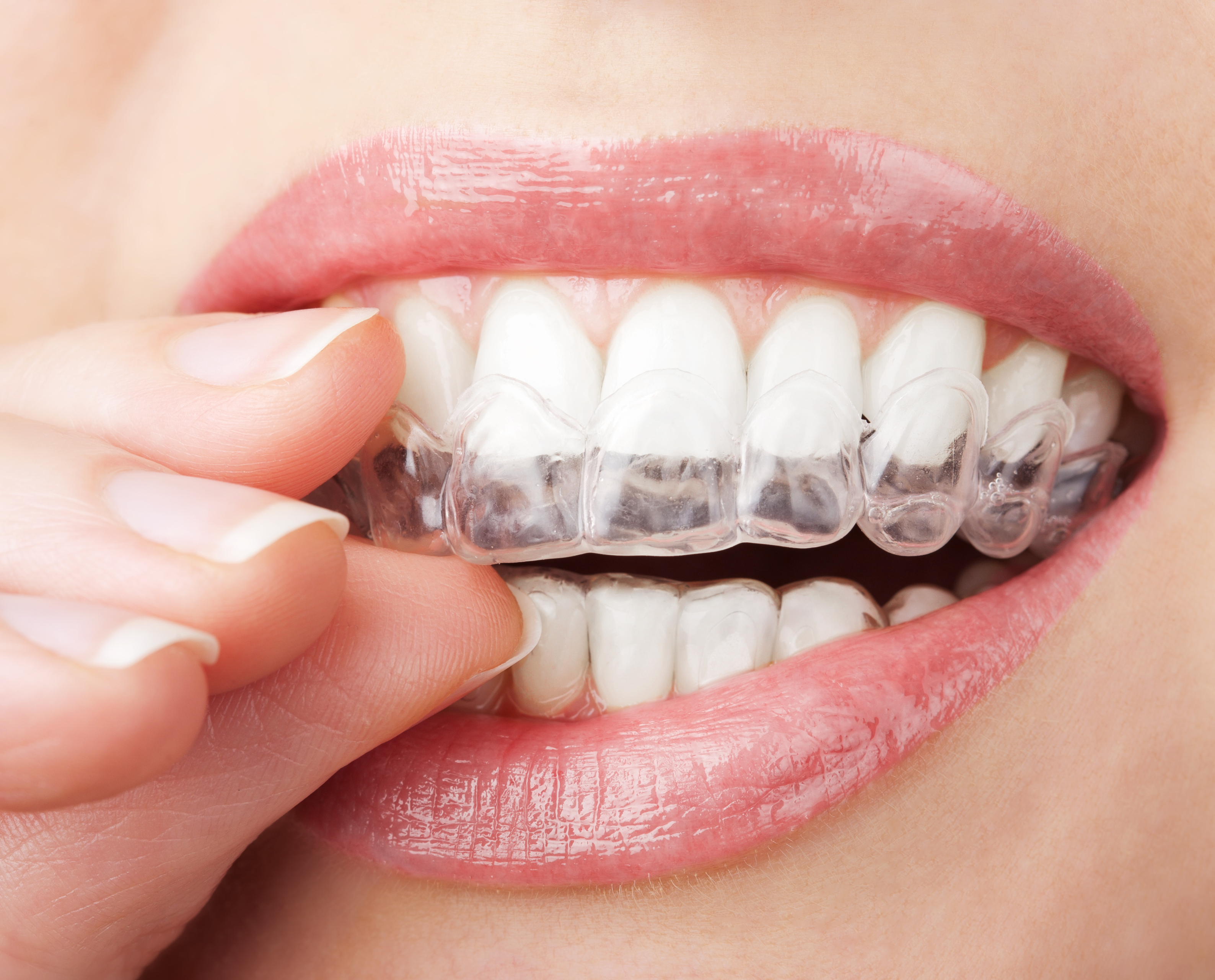

Teeth clenching, medically known as "bruxism", is defined as the unintentional squeezing or grinding of the upper and lower jaw teeth. This condition usually occurs during sleep, but can also occur when we are awake.
Teeth clenching causes overuse of the jaw muscles, which can lead to various health problems. These include tooth wear, jaw pain, headaches and earaches.
Causes of Teeth Grinding
There can be many reasons for teeth grinding. The main ones are:
Stress and anxiety: Intense stress and anxiety are one of the most common reasons that can lead to teeth grinding problems.
Sleep disorders: Teeth grinding during sleep has been associated with sleep disorders such as sleep apnea.
Psychological factors: Depression, anxiety and other psychological problems can also contribute to teeth grinding.
Physical factors: Disorders in the jaw joint, incorrect tooth closure and some medications may also cause teeth clenching.
Teeth Grinding Headache
Teeth grinding is a common cause of headaches. Excessive activity in the jaw muscles causes tension in the muscles in the head, face and neck area. This tension can cause headache symptoms.
Headache caused by teeth grinding usually becomes more noticeable during the daytime. Headache may manifest itself as a feeling of pain in the jaw, face or neck area.
Symptoms of Teeth Grinding Headache
The most common symptoms of a teeth-grinding headache are:
Pain in the jaw, face or neck area
Headache, usually worse during the day
Earache or ringing
Tension or stiffness in the jaw muscles
Teeth grinding sound while sleeping
These symptoms occur as a result of teeth grinding problems and it is important to diagnose and treat them correctly.
Teeth Grinding Headache Treatment
Various methods can be used to treat headache caused by teeth grinding:
Tooth protective night plate: These special devices used at night can reduce headaches by preventing teeth from rubbing against each other.
Physical therapy: Exercises to relax the jaw muscles and massage therapy can relieve headaches.
Medication: Pain medications or muscle relaxants may be helpful in reducing symptoms.
Stress management: Yoga, meditation or relaxation techniques can be applied to cope with stress and anxiety.
Surgical treatment: If there are problems in the jaw joint, surgical intervention may be required.
Teeth Grinding Headache Prevention Methods
The following steps can be taken to prevent headaches caused by teeth grinding:
Stress management: Stress can be reduced through methods such as regular exercise, yoga, meditation or therapy.
Improving sleep patterns: Adequate and quality sleep can reduce teeth grinding problems.
Relaxing the jaw muscles: Methods such as massage, heat application or cold compress can be used.
Using a dental protective night plate: These devices can reduce headaches by preventing teeth from rubbing against each other.
Methods to Cope with Teeth Grinding Headache
The following methods can be tried to deal with headache caused by teeth grinding:
Pain medications: Pain medications can temporarily relieve symptoms.
Hot or cold application: Applying a hot or cold compress to the jaw area can relax the muscles.
Massage: Massage to the chin, face and neck area can relax the muscles.
Relaxation techniques: Deep breathing, meditation, or progressive muscle relaxation exercises can reduce headaches.
Dentist check-up: The dentist can help diagnose the teeth grinding problem and determine appropriate treatment methods.
 Call
Call
 Whatsapp