


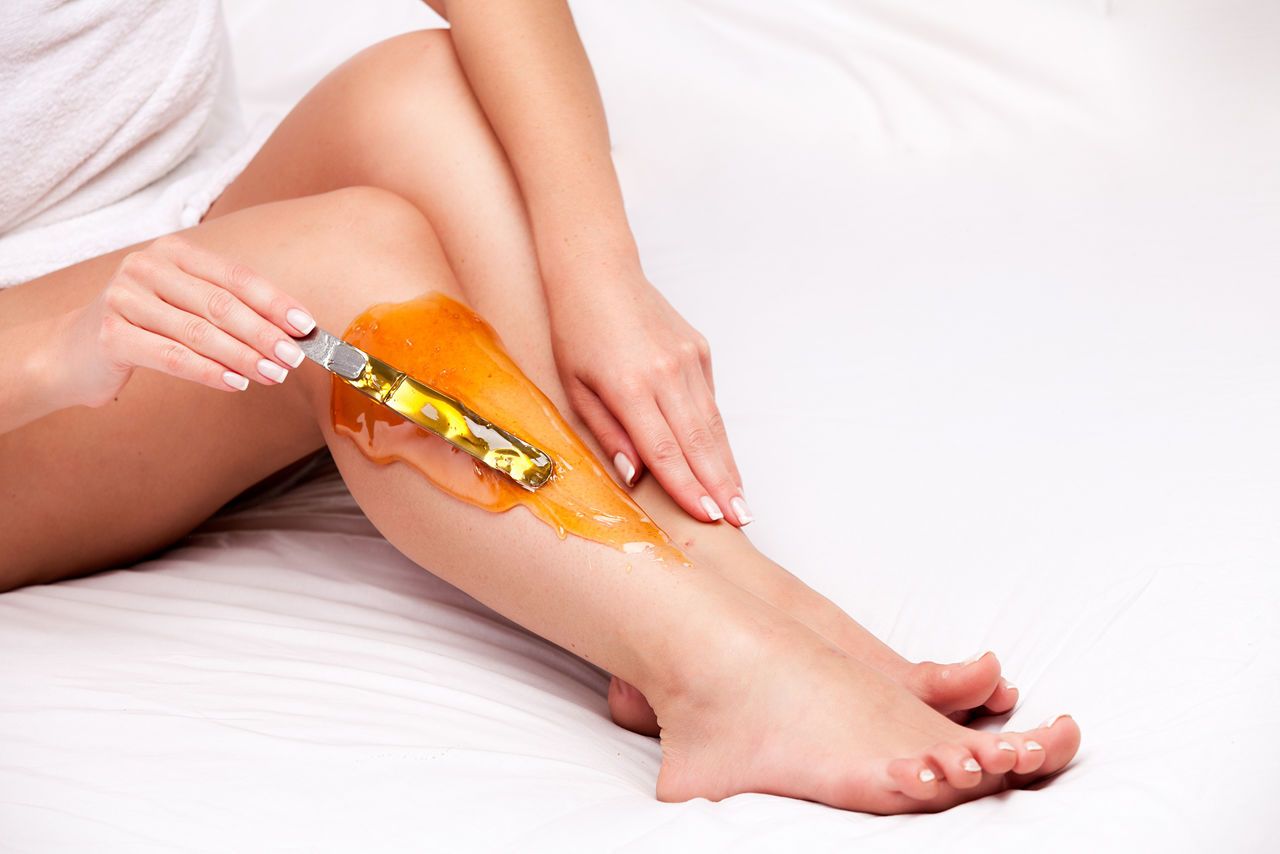

Wax burns occur due to the heat the skin is exposed to during or after the waxing process. Burns can cause damage to the top layer of skin, resulting in pain and discomfort. Wax burns often have a red, swollen, and sometimes blistered appearance. The severity of burns may vary depending on how the waxing process is done, the sensitivity of the skin and the size of the burn areas.
Skin's Response to Wax Burns
Our skin exhibits an inflammatory response, which is a protective mechanism against injuries such as burns. The same reaction occurs in case of wax burn. At the burn site, skin cells trigger the inflammatory process to initiate healing. As a result, new skin cells form in the burn area and healing occurs. However, the deeper the skin burn and the more the skin's healing process is affected, the more likely it is that scarring will occur.
Do Wax Burns Leave Scars?
Wax burns are generally considered mild burns and are less likely to leave scars on the skin. However, the size and depth of the burn area can affect the likelihood of scarring. While minor burns usually heal without scarring, deeper burns can cause scars on the skin. In addition, the healing process of the skin, the genetic structure of the person and how the burn area is cared for are among the factors that affect scar formation. The possibility of scar formation may increase, especially if the burn area becomes infected or is constantly exposed to irritation.
Factors Affecting Scar Formation
There are many factors that affect the likelihood of wax burns leaving scars. These include the size, depth and location of the burn area, the healing process of the skin, the risk of infection, how the burn area is cared for, and the genetic makeup of the person. Additionally, how the waxing process is done and skin type can also affect scar formation. For example, people with sensitive skin may be more likely to develop scars.
How to Treat Wax Burns to Minimize Their Scars?
There are a few things you can do to minimize the scars of wax burns. First, it is important to keep the burn area clean and dry. This reduces the risk of infection and speeds up the healing process. You can also apply antiseptic creams or ointments to the burn area. This reduces the risk of infection and promotes healing of the burn area. You can use a clean bandage or gauze to protect the burn area.
Besides this, it is important to maintain a healthy lifestyle to support the skin's healing process. A balanced diet, adequate water consumption and regular exercise support the skin's healing process and can reduce scar formation. Also, protection from the sun is important. When the burn area is exposed to the sun, the likelihood of scarring may increase. Therefore, you should protect the burn area from the sun's harmful UV rays by using sunscreen creams.
Natural Solutions for Wax Burn Scars That Can Be Applied at Home
Some natural solutions you can apply at home can also help reduce wax burn scars. Applying aloe vera gel to the burn area can speed up the skin's healing process and reduce scar formation. You can also apply moisturizing oils, such as olive or coconut oil, to the burn area. These oils maintain the skin's moisture balance and support the healing process.
 Call
Call
 Whatsapp