


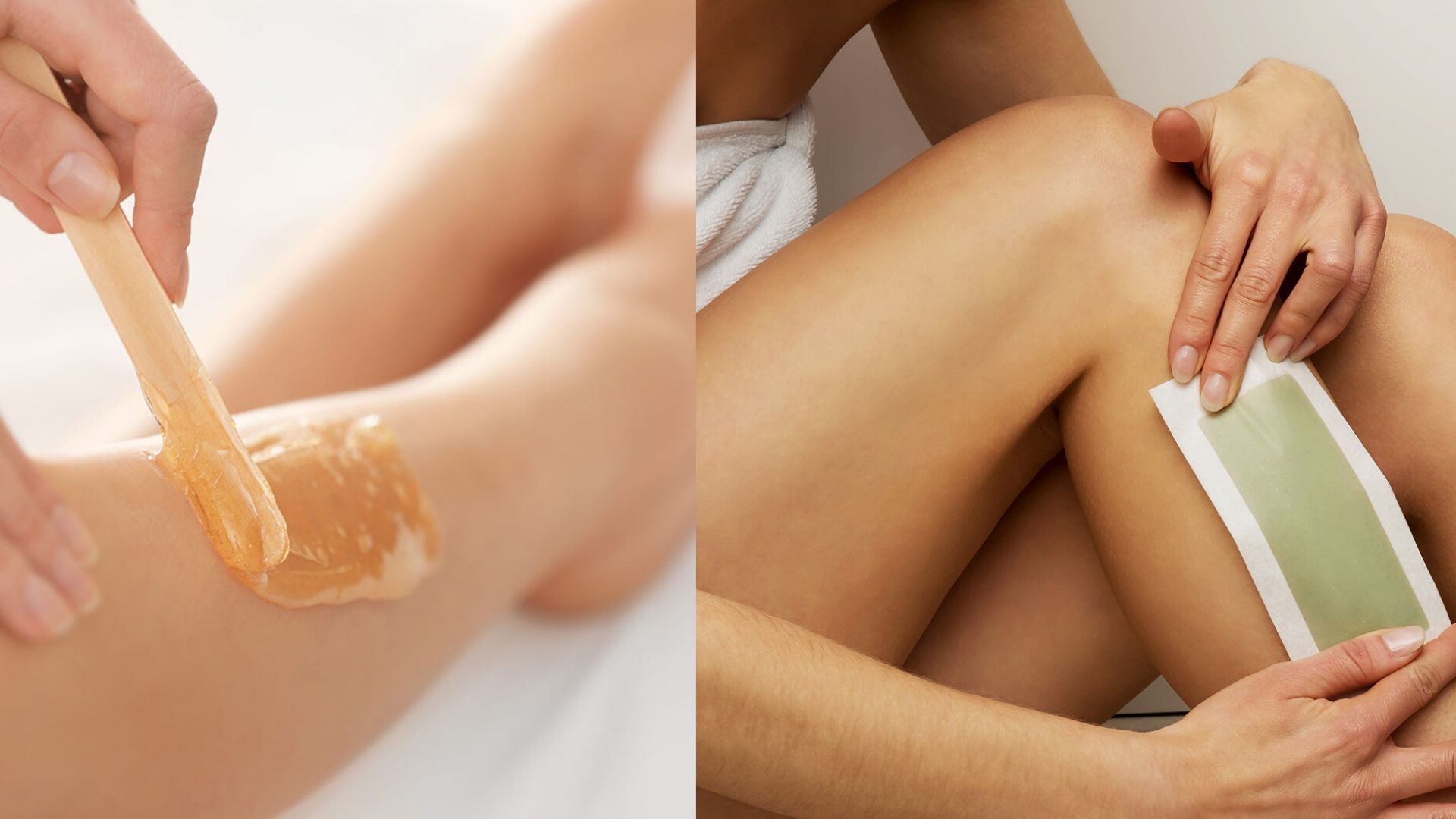

Wax ingrown hair is a condition that occurs as a result of hair growing under the skin. Since the hair is pulled from the root during the waxing process, sometimes the hair can remain under the skin and form ingrown hairs instead of growing towards the skin surface. This is especially common in areas with thick and curly hair. Wax ingrown hairs may present with skin redness, swelling, itching and even signs of infection.
The relationship between wax and ingrown hair
The waxing process is associated with many factors that contribute to ingrown hair formation. First of all, since the hair is pulled from the root during the waxing process, the direction of hair growth may be disrupted and may remain under the skin, causing ingrown hairs. In addition, the upper layer of the skin may be damaged during the waxing process and this layer, which acts as a barrier to prevent hair from growing under the skin, may be weakened.
Factors contributing to ingrown hair formation due to waxing
There are several factors that affect the formation of ingrown hairs when waxing. First, not doing the waxing process correctly can increase the formation of ingrown hairs. It is important to pull the hairs correctly during the waxing process. When the hair is not pulled quickly and in the direction of its growth, the hair tends to remain under the skin and causes ingrown hairs.
Additionally, improper preparation of the skin may also affect ingrown hair formation. It is important that the skin is clean and dry before the waxing process. Additionally, cleansing the skin from dead cells and opening the pores makes hair removal easier and reduces ingrown hair formation.
Tips to prevent ingrown hairs after waxing
There are some tips to prevent ingrown hairs after waxing. First, it is important to moisturize the skin immediately after waxing. Using a moisturizer maintains the skin's moisture level and prevents ingrown hairs.
Additionally, it is important to avoid irritating the skin after waxing. Activities such as hot showers, saunas or swimming can irritate the skin and increase the formation of ingrown hairs. Therefore, it is important to avoid such activities for at least 24 hours after waxing.
How do I treat ingrown hairs caused by waxing?
There are some methods to treat ingrown hairs caused by waxing. First, it is important to clean the ingrown area. You can gently clean the ingrown area using a clean cotton or cotton swab. Then, cleaning the ingrown area with an antiseptic solution reduces the risk of infection.
Additionally, it is important to moisturize the ingrown area regularly. Using a moisturizer maintains the skin's moisture level and helps heal the ingrown area. It may also be beneficial to regularly exfoliate the ingrown area to remove dead cells.
Alternative hair removal methods to prevent wax ingrown hairs
There are alternative hair removal methods to prevent waxing ingrown hairs. It may be beneficial to try other hair removal methods, especially if you frequently encounter waxing ingrown hairs. For example, methods such as shaving or epilating cut hair closer to the skin surface and can reduce ingrown hairs.
Permanent hair removal methods such as laser epilation can also reduce ingrown hairs. Since the hair follicles are destroyed in these methods, the risk of hair growing under the skin is reduced. However, these methods can be more expensive and require several sessions.
Professional tips to minimize the risk of ingrown hairs when waxing
There are some pro tips to minimize the risk of ingrown hairs when waxing. First, it is important to have the waxing done by a professional. Experts can minimize ingrown hair formation by performing the waxing process correctly.
Additionally, it is important to ensure that the hair is pulled out correctly when waxing. Pulling the hair quickly and in the direction of its growth reduces the risk of hair remaining under the skin. Additionally, proper preparation of the skin before waxing reduces the formation of ingrown hairs.
 Call
Call
 Whatsapp