


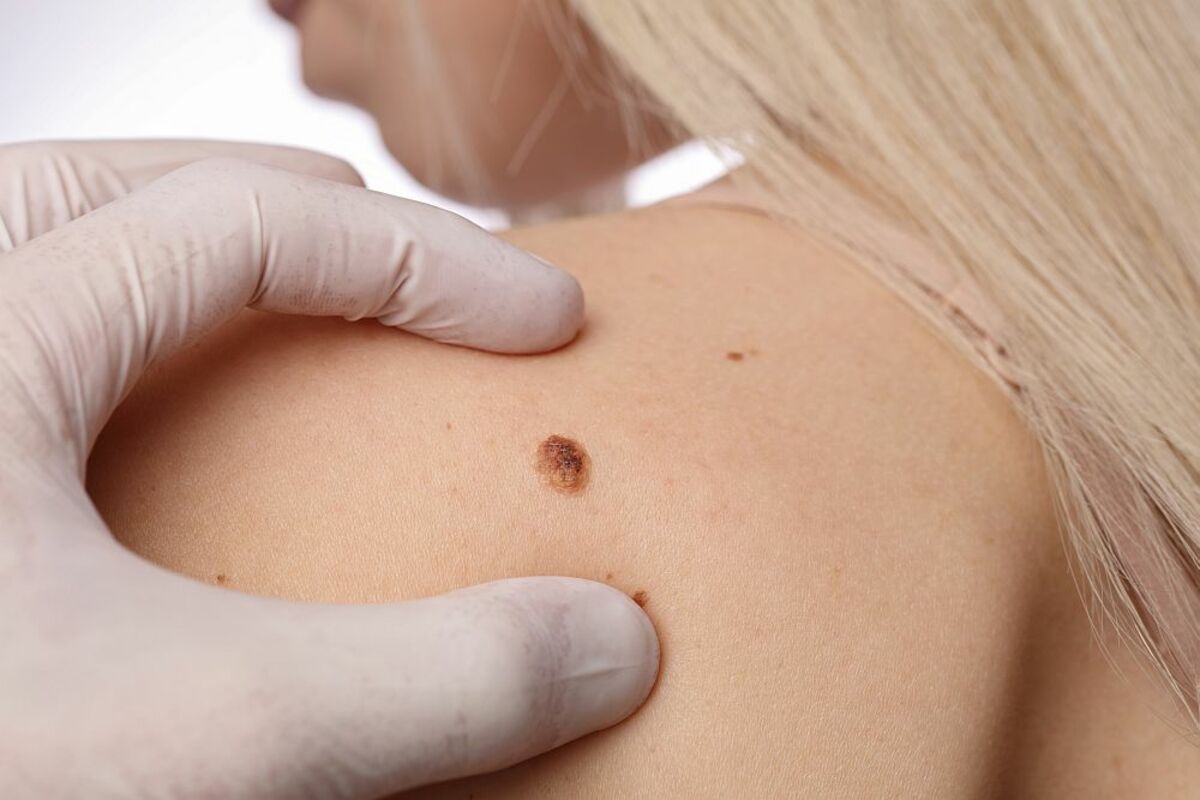

The formation of skin tags occurs as a result of excessive proliferation of skin cells. This cell proliferation creates a small bulge on the skin surface. The color of skin tags can usually be darker than skin color and their structure can be soft and elastic.
Characteristics of skin tags
The main characteristics of skin tags are as follows:
1. Red, pink or brown color: The color of skin tags can usually be darker than skin color. This is due to the blood vessels and pigmentation differences inside the tags.
2. Soft and elastic texture: The texture of skin tags is soft and elastic. This is due to the presence of connective tissue and fat cells inside the tags.
3. Protruding appearance: Skin tags have a protruding appearance from the skin surface. This protrusion is caused by excessive proliferation of skin cells.
4. Variable size: The sizes of skin tags vary. Some can be small dot-sized, while others can be larger.
5. Limited growth: The growth of skin tags is limited and usually remains at a certain size. In very rare cases, their growth can continue.
6. Painless structure: The formation of skin tags is usually painless and not disturbing. However, if the mole is irritated by friction or pressure, pain may be felt.
Causes of skin tags
The main factors that cause the formation of skin tags are as follows:
7. Genetic predisposition: The fact that some people are more prone to skin tags depends on genetic factors. Having skin tags in the family may be an indicator of this condition.
8. Hormonal changes: Changes in hormonal balance, especially during puberty, can trigger skin tag formation.
9. Sun exposure: Excessive exposure to sunlight can increase the formation of skin tags by causing excessive proliferation of skin cells.
10. Trauma or friction: Constant friction or trauma on the skin can trigger skin tag formation.
11. Aging: Skin cell renewal decreases with age and skin tag formation may increase.
Factors that trigger skin tag formation
The main factors that trigger skin tag formation are as follows:
• Sunlight: Excessive exposure to sunlight can increase the formation of skin tags by causing excessive proliferation of skin cells.
• Hormonal changes: Hormonal changes, especially during puberty, can trigger skin tag formation.
• Genetic predisposition: Some people are more prone to skin tags due to genetic factors.
• Trauma or friction: Constant friction or trauma on the skin can trigger skin tag formation.
• Aging: Skin cell renewal decreases with age and skin tag formation may increase.
The combination of one or more of these factors can trigger skin tag formation.
Professional methods for skin tag removal
Various professional methods can be used to remove skin tags. These include:
12. Cryotherapy (Freezing Treatment): In this method, the skin tag is destroyed by freezing. Liquid nitrogen is applied to the skin, which destroys the skin tag tissue.
13. Electrocautery: In this method, the skin tag is burned with the help of electric current. Thus, the skin tag tissue is completely removed.
14. Laser Treatment: Using special laser devices, the skin tag tissue is broken down and destroyed with rays. This method is less invasive and provides faster recovery.
15. Surgical Removal: Surgical method can be preferred for the removal of larger or complicated skin tags. The mole tissue is completely removed under regional anesthesia.
16. Cream Application: In some cases, special creams prescribed by the doctor can also be used to reduce or eliminate skin tags.
The method to be applied is determined by factors such as the size, location, structure of the skin tag and the patient's preference. A professional dermatologist will recommend the most appropriate treatment option for you.
 Call
Call
 Whatsapp