


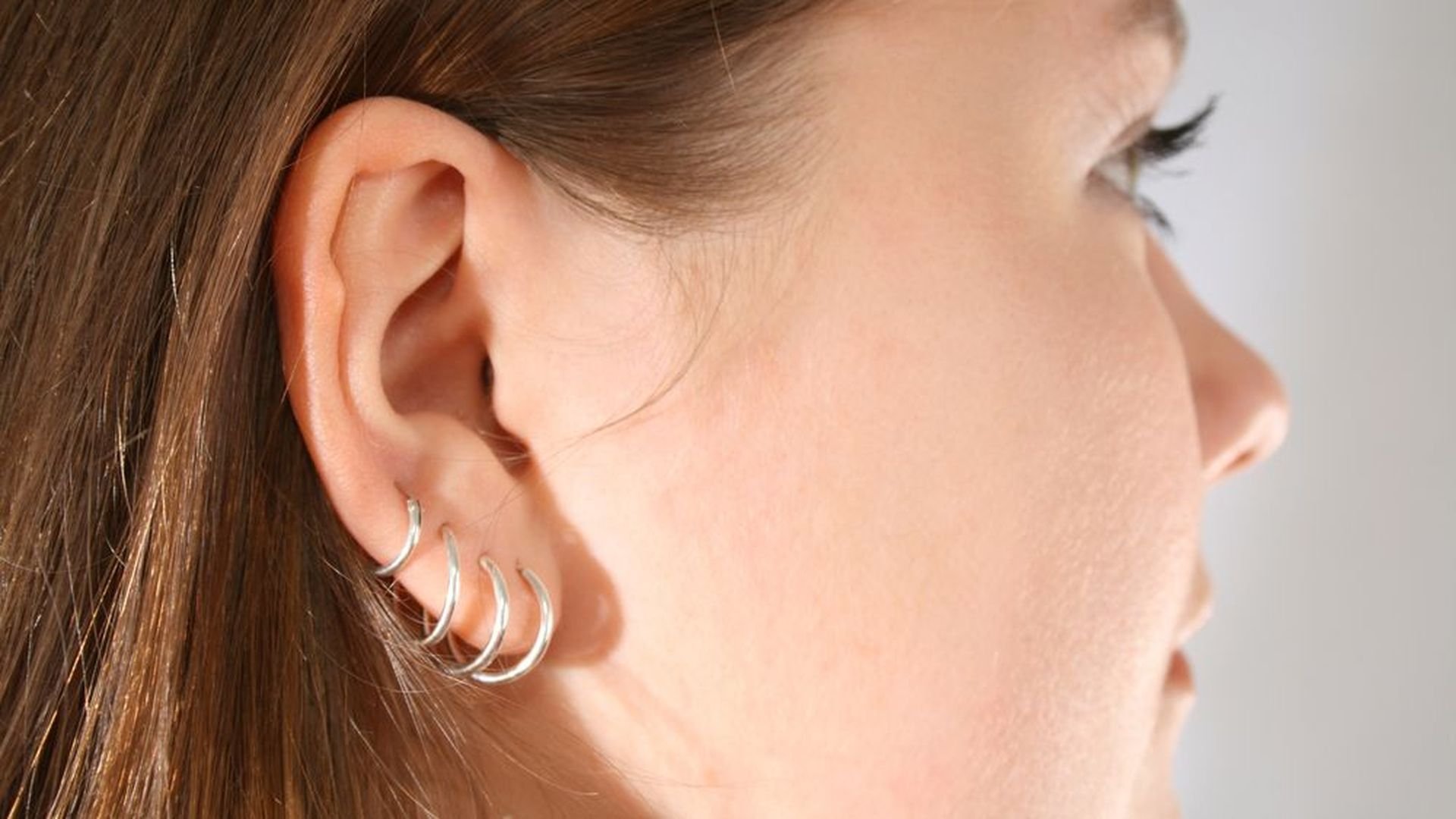

Ear hairs are naturally present to clean the ear canals and protect the ear from external environmental factors. However, in some people, these hairs can grow excessively and block the ear canals. This can have negative effects on ear health and hearing.
Ear hairiness can be seen in all ages and genders, but is more common in men. Personal care habits, hormonal changes, and hereditary factors can play a role in the development of ear hairiness.
Causes of Ear Hairiness
Ear hairiness can have many causes. The most common of these are:
1. Hormonal Changes: An increase in testosterone levels can cause excessive ear hair growth. Therefore, men experience ear hairiness more often than women.
2. Hereditary Factors: The faster and denser growth of ear hair in some people can be associated with genetic factors.
3. Age: Ear hair can become denser with age. Ear hairiness is more common, especially in middle-aged and older people.
4. Ethnicity: Some ethnicities may be more prone to ear hairiness. For example, people of Asian and Mediterranean descent may experience hairy ears more often than other groups.
5. Health Problems: Certain diseases, such as polycystic ovary syndrome (PCOS), can cause hairy ears.
6. Environmental Factors: Pollution, dust, and other environmental factors can contribute to excessive ear hair growth.
Symptoms of Hairy Ears
The most obvious symptoms of hairy ears include:
• Excessive hair growth in the ear canals
• Blocked ear canals
• Ear pain or discomfort
• Hearing loss or ringing in the ears
• Ear infections
• Ear discharge
• Dizziness or loss of balance
The degree of hairy ears can vary from person to person. Some people experience only mild hair growth, while others may experience severe blockage and discomfort.
Treatment of Hairy Ears
Treatment for hairy ears varies depending on the severity of the condition and the underlying cause. The following treatment options may be considered:
7. Ear Cleaning: Regular cleaning of hair from the ear canals by a professional healthcare professional can reduce discomfort.
8. Medication: Using topical creams or oral medications prescribed by your doctor can reduce hair growth.
9. Laser Treatment: Removing ear hair with a laser method can provide a permanent solution.
10. Surgical Intervention: Surgical intervention may be necessary, especially in cases of severe blockage. Hair in the ear canals can be surgically removed.
11. Electrolysis: Permanent hair removal by destroying stem cells using electric current.
When choosing a treatment option, health status, severity of ear hair and personal preferences should be taken into consideration. Consulting a professional healthcare professional will help determine the most appropriate treatment method.
Methods to Deal with Ear Hair
A few precautions can be taken to deal with ear hair:
12. Regular Ear Cleaning: It is important to seek professional help or use safe methods at home to remove hair from the ear canals.
13. Use of Personal Care Products: Specially designed products, such as ear hair trimmers, can be used to control ear hair.
14. Stress Management: Stress can trigger hairy ears by disrupting hormonal balance. You can try yoga, meditation or other relaxation techniques to cope with stress.
15. Healthy Lifestyle: A balanced diet, regular exercise and adequate sleep can reduce hairy ears by improving overall health.
16. Use of Cosmetic Products: Cosmetic products such as bandages, creams or waxes that cover ear hair can be used to hide or reduce ear hair.
17. Psychological Support: The discomfort and anxiety caused by hairy ears can affect a person's mental health. It may be useful to get psychological support when necessary.
A combination of personal care, a healthy lifestyle and professional help is important in dealing with hairy ears. In this way, both physical and psychological comfort can be achieved.
 Call
Call
 Whatsapp