


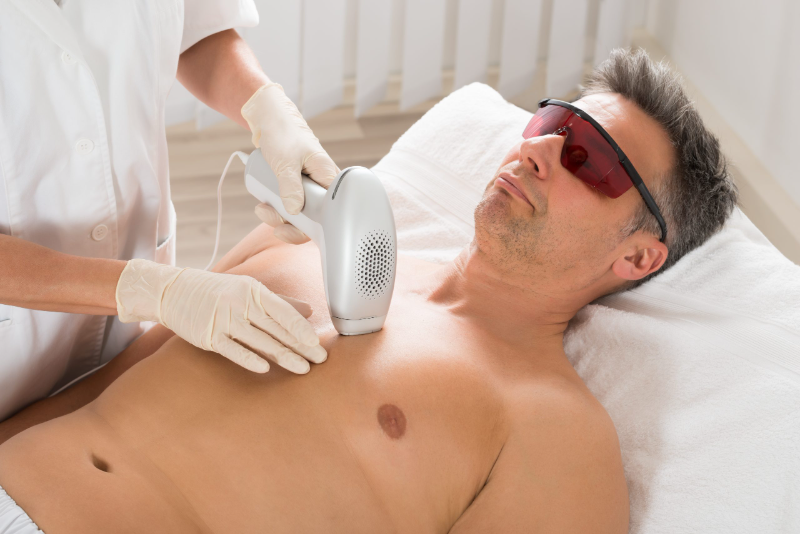

Electrolysis is a commonly preferred method for long-term hair reduction. However, in some cases, marks may appear after the procedure. In this article, we will discuss electrolysis marks, their causes, comparisons with other hair removal methods, and post-treatment care recommendations.
What Is Electrolysis?
Electrolysis is a method that targets hair follicles to permanently reduce unwanted hair. During the procedure, a fine probe is inserted into the follicle, and an electrical current weakens the root over time.
This method is suitable for all skin types and hair colors, making it a widely preferred option. One of the main reasons for choosing electrolysis is its potential to provide more permanent results compared to other methods. However, results may vary and require careful application.
During and after the procedure, some sensitivity, redness, or mild swelling may occur on the skin. Electrolysis is especially effective for fine and light-colored facial hair but should always be performed by an experienced professional.
Causes of Electrolysis Marks
There are several reasons why marks may appear after electrolysis. One of the most important factors is the quality of the equipment and the expertise of the practitioner. Incorrect device usage or lack of experience can increase the risk of marks.
Another factor is individual skin type and sensitivity. Some skin types are more prone to irritation, which may lead to marks. Additionally, inadequate aftercare can cause marks to become more noticeable or persistent.
The amount of pressure applied during the procedure and the technique used are also important. Excessive pressure or improper techniques may cause trauma to the skin, increasing the likelihood of marks.
Is Laser Treatment on the Face Harmful?
Laser hair removal on the face is generally considered safe. However, the question “Is laser treatment on the face harmful?” requires careful consideration.
Since the facial area is sensitive, the correct type of laser and appropriate settings must be used. Otherwise, side effects such as burns, redness, or temporary pigmentation changes may occur.
To minimize risks, treatments should be performed by experienced professionals. Proper skincare before and after the procedure also plays an important role in reducing potential side effects.
Differences Between Laser Hair Removal and Electrolysis
Although both laser hair removal and electrolysis aim to reduce unwanted hair, they differ in several ways.
- Targeting Method: Laser hair removal covers larger areas, while electrolysis treats each follicle individually.
- Treatment Duration: Laser is generally faster, while electrolysis takes more time but offers a more detailed approach.
- Suitability: Laser is more effective on darker hair, whereas electrolysis works on all hair and skin types.
Understanding these differences helps in choosing the most suitable method for your needs.
Electrolysis Services in Ankara
Ankara stands out as a city offering various professional services in aesthetics and beauty treatments. Those considering electrolysis can find many clinics and centers in the city.
Well-known centers such as Ankara Life Polyclinic provide services with experienced specialists and advanced technology. Personalized treatment plans are often created to suit individual needs.
Before choosing a clinic, it is important to review its experience, references, and service quality. Selecting a center that offers consultation before and after the procedure can help ensure a smoother process.
Post-Electrolysis Care Recommendations
Proper aftercare plays a crucial role in preventing marks after electrolysis. Here are some important recommendations:
- Moisturize the Skin: Use fragrance-free products suitable for sensitive skin to maintain hydration.
- Protect from Sunlight: Avoid direct sun exposure and use sunscreen.
- Avoid Irritation: Do not rub the skin or use harsh products after the procedure. Use gentle cleansers instead.
Following these recommendations helps keep the skin healthy and reduces the risk of unwanted side effects.
 Call
Call
 Whatsapp