



The epilation process is based on the principle of removing hair from the root. In this way, the hair is not only cut off temporarily, but also prevented from growing back. However, this process can be time-consuming and often requires several sessions.
Epilation can be preferred not only for aesthetic purposes but also for health reasons. For example, some people get epilation to get rid of irritations or infections caused by hair.
Hair removal methods
Epilation can be performed by various methods. The most common hair removal methods are:
1. Waxing: Waxing is a method used to remove hair from the root. This method can be painful and may take several weeks for the hair to regrow.
2. Laser epilation: Laser epilation is a method used to permanently remove hair. This method can be expensive but is more effective in the long run.
3. IPL (Light Epilation): IPL is a method similar to laser epilation but uses a milder light. This method is less painful but not as effective as laser epilation.
4. Electrolysis: Electrolysis is a method used to destroy hairs one by one. This method can be time-consuming and expensive, but it produces permanent results.
5. Razor: Razor is a traditional method used to cut hair. This method is fast and cheap, but the hair grows back quickly.
Advantages of using an epilator at home
There are many advantages of using an epilator at home. These advantages are:
6. Cost savings: Using an epilator at home is more cost-effective than professional epilation sessions.
7. Time saving: Using an epilation device at home allows you to perform epilation without having to make an appointment and travel.
8. Respect for privacy: Using an epilator at home protects your personal privacy and you can perform epilation without feeling uncomfortable.
9. Control: Using an epilator at home allows you to completely control the epilation process. You can focus on the areas you want and progress at your own pace.
What is laser epilation?
Laser epilation is an epilation method used to permanently remove hair. This method uses intense beams of light focused on the roots of the hair. Light beams heat the pigments in the hair follicles and destroy them.
Laser epilation gives more effective and permanent results than other epilation methods. However, this method can also be more expensive and painful.
Laser hair removal usually requires several sessions, with a break of several weeks between each session. This is because the hairs are in different growth cycles. Each session targets hairs in different growth cycles.
Advantages and disadvantages of laser hair removal
Laser hair removal has many advantages and disadvantages. The advantages are:
• Permanent results: Laser hair removal has the potential to remove hair permanently.
• Fast process: Laser epilation is faster than other epilation methods.
• Less pain: Laser hair removal is less painful than waxing.
The disadvantages are:
• Expensive: Laser epilation is more expensive than other epilation methods.
• Side effects: Laser epilation may cause side effects such as skin redness, itching and swelling.
• Limited application area: Laser epilation responds better to dark hair and is difficult to apply to light hair.
Benefits of using laser epilation device at home
There are many benefits of using a laser epilation device at home. These benefits are:
10. Cost savings: Using a laser hair removal device at home is more cost-effective than professional laser hair removal sessions.
11. Time saving: Using a laser epilation device at home allows you to perform epilation without having to make an appointment and travel.
12. Respect for privacy: Using a laser epilation device at home protects your personal privacy and you can perform epilation without feeling uncomfortable.
13. Control: Using a laser epilation device at home allows you to completely control the epilation process. You can focus on the areas you want and progress at your own pace.
14. Safe: Laser hair removal devices can be used safely and effectively at home. However, it is important to pay attention to the instructions for use.
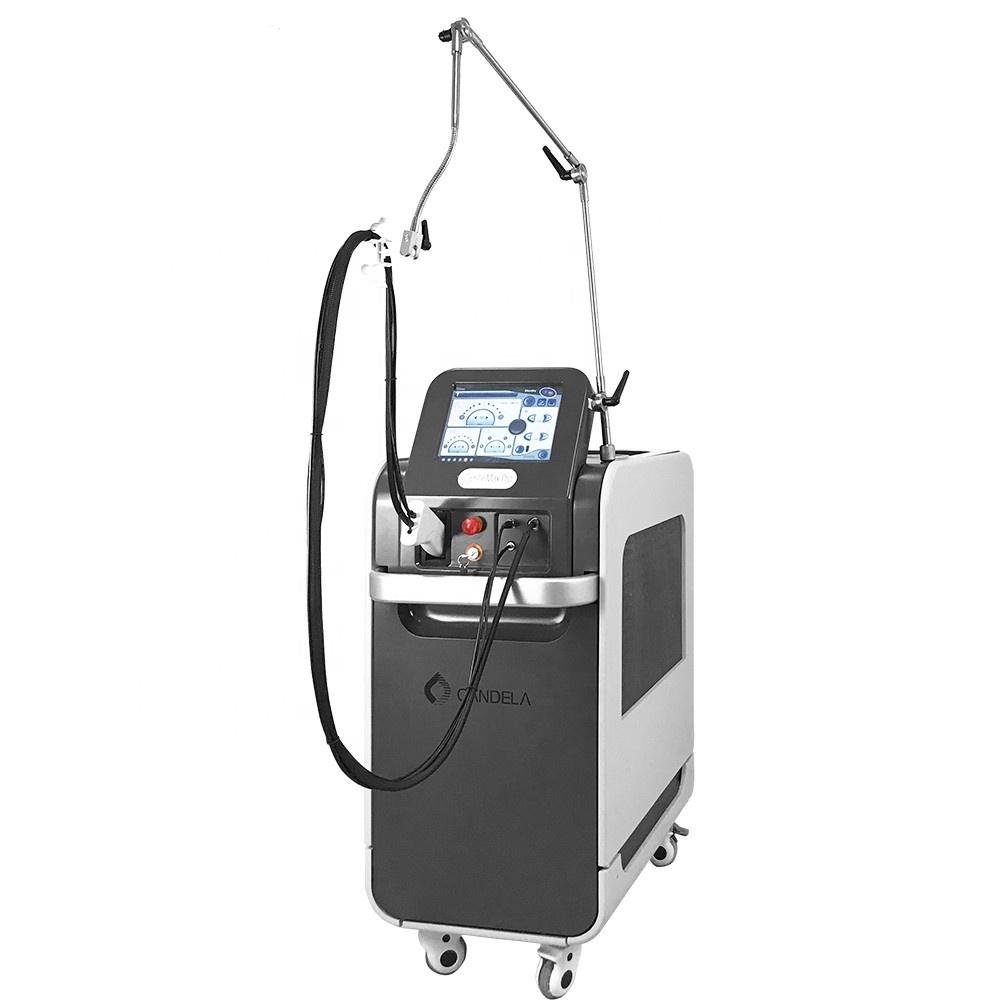
Epilation Device Prices Laser
Free Information,
Consultation and Appointment Request
 Call
Call
 Whatsapp