


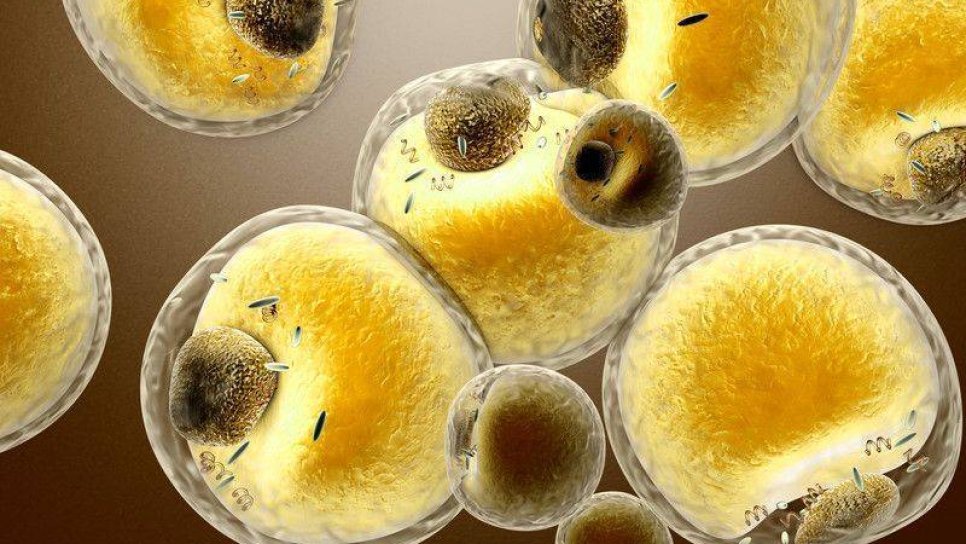

What are Fat Cells?
Fat cells are cells that function to store energy and maintain body temperature in the body. They are also known as "adipocytes" in medicine. Fat cells have many important functions in the body. There are two main types of fat cells in the body: white fat cells and brown fat cells. White fat cells store energy and make up the majority of fat in the body. Brown fat cells are used more to produce heat and are usually found in larger amounts in infants.
Functions of Fat Cells
The most important function of fat cells is to store energy. The body's excess energy is stored in these cells in the form of fat and is used as energy when needed. In addition, fat cells help keep the body warm, protect internal organs and produce some hormones. Excessive accumulation of fat cells can lead to weight gain and health problems such as obesity.
Structure and Features of Fat Cells
The structure of fat cells consists of a cell membrane located around a fat droplet. The fat it contains provides energy to the body and can increase the size of the cell. Fat cells are distributed in various areas of the body. There are more fat cells, especially in the abdominal and hip areas. The size of these cells can increase as a result of overeating, but it is more difficult to change their number. In other words, these cells grow when you gain weight and shrink when you lose weight, but the number of cells remains the same.
Fat Cells and Body Health
Having a healthy level of fat cells is necessary for the body to function properly. However, excessive fat cells can lead to obesity, which increases the risk of health problems such as heart disease, diabetes, and high blood pressure. Therefore, it is very important to prevent excessive fat accumulation in the body and to maintain a healthy weight.
Fat Cells and Aesthetics
From an aesthetic perspective, the accumulation of excess fat cells can cause deformities in the skin. Excess fat accumulated especially in the abdomen, hips, buttocks, and thighs can negatively affect body lines. This can cause a loss of self-confidence in some people. Cosmetic surgery procedures and laser treatments are popular methods for getting rid of this excess fat. Liposuction is a procedure that helps correct body lines by removing these excess fat cells.
Fat Cell Reduction Methods
The most effective method for reducing fat cells is a balanced diet and regular exercise. Exercise helps to shrink fat cells and maintain a healthy fat ratio in the body. In addition, modern medical aesthetic applications can be effective in reducing fat cells. Methods such as liposuction, cold laser therapy (CoolSculpting) and radio frequency target fat cells and get rid of regional fat.
In Conclusion
Fat cells are one of the important building blocks of the body and their presence in the right amount ensures the healthy functioning of the body. However, the accumulation of excess fat cells can lead to both aesthetic and health problems. Keeping fat cells at a healthy level is possible with a balanced diet and regular physical activity. In addition, these cells can be brought under control with aesthetic procedures.
 Call
Call
 Whatsapp