


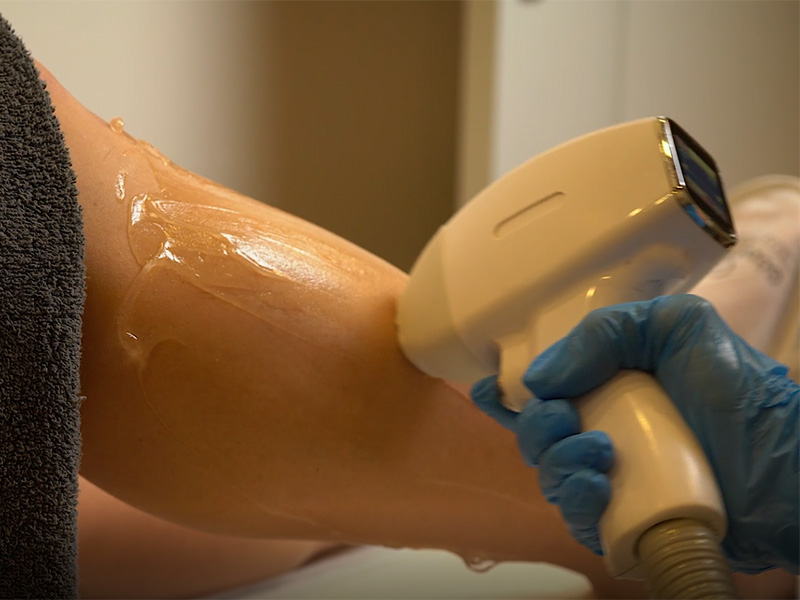

Nd-YAG laser hair removal in Ankara is a procedure based on the absorption of laser light by pigment in the hair follicles. Nd:YAG laser systems generally operate at a wavelength of 1064 nm. Since this wavelength is absorbed to a more limited extent by melanin at the skin surface, it may be considered as an option for darker skin tones.
Nd-YAG laser hair removal aims to create controlled heat within the hair follicles and gradually weaken their ability to produce new hair. The response may vary according to skin tone, hair colour, hair thickness, treatment area, hormonal characteristics and regular attendance at sessions.
The longer wavelength of the Nd-YAG laser may help target dark, thick and deeply rooted hair. In contrast, white, grey, red and very light-coloured hair may respond less effectively because it contains limited melanin.
The safety and effectiveness of the procedure do not depend solely on the device. Skin and hair assessment, suitable energy settings, device maintenance, practitioner qualifications and aftercare may all affect the process.
First Misconception: Nd-YAG Laser Hair Removal Is Extremely Painful
The belief that Nd-YAG laser hair removal is extremely painful does not apply to everyone. The sensation experienced during treatment varies from person to person. Some people may feel mild warmth, while others describe stinging or a sensation similar to a rubber band snapping against the skin.
Factors that may affect the level of discomfort include:
-
Individual pain threshold
-
Treatment area
-
Hair density and thickness
-
Energy level
-
Cooling system
-
Skin sensitivity before treatment
Sensitive areas such as the underarms, bikini area and face may feel different from the arms or legs. Areas with dark, dense hair may feel warmer because more laser energy can be absorbed.
Some Nd-YAG laser devices include cooling systems that help reduce heat and stinging. However, cooling should not be expected to make the procedure completely painless for everyone.
People with a low pain threshold should disclose this before the procedure. Treatment settings and breaks may be adjusted according to individual sensitivity.
Second Misconception: Every Laser Device Is Suitable for Everyone
It is incorrect to assume that all laser hair removal devices provide the same results for every skin and hair type. Laser systems operate at different wavelengths, and these wavelengths have different absorption characteristics in skin and hair pigment.
The expression device-based laser is a general term describing laser hair removal performed with technological devices. It does not refer to a specific wavelength or a separate type of laser. Alexandrite, Diode and Nd:YAG are examples of different laser systems.
The following factors should be considered when selecting a device:
-
Skin tone
-
Hair colour
-
Hair thickness
-
Hair density
-
Treatment area
-
Sun exposure and tanning status
-
Current medication
-
Previous laser hair removal experience
Nd-YAG laser may be one of the options considered for darker skin tones. Alexandrite laser may be considered for light skin combined with dark hair. Diode systems can be adjusted for various skin and hair structures.
However, device selection should not be based on skin tone alone. A person with dark skin and very light-coloured hair may show a limited response to Nd-YAG laser. A person with light skin may also respond less effectively if the hair is extremely fine.
A skin and hair assessment is important for selecting the device and energy settings. The same device and parameters may not be suitable for everyone.
Third Misconception: No Aftercare Is Needed Following Nd-YAG Laser Hair Removal
The belief that aftercare is unnecessary following Nd-YAG laser hair removal is incorrect. Temporary redness, warmth, sensitivity or small raised areas around the follicles may occur. These effects often decrease within a short period, but the response may vary according to skin sensitivity.
Sun Protection
The treated skin may become more sensitive to sunlight. A broad-spectrum sunscreen should be used on exposed areas and reapplied as necessary.
Direct sunbathing and tanning beds should be avoided for the period specified by the practitioner. Recent intense sun exposure should be disclosed before the next session.
Moisturising
Fragrance-free moisturisers without irritating ingredients may be used to support the skin’s moisture balance. Products should be suitable for the person’s skin type and treatment area.
Avoiding Heat
Very hot showers, saunas, Turkish baths, steam rooms and intense exercise may increase skin temperature. The period for which these activities should be avoided may vary according to sensitivity and the scope of treatment.
Postponing Irritating Products
Exfoliation, scrubbing, rough washcloths, alcohol-based products, retinoids and strong acids should not be used while skin sensitivity continues.
Avoiding Root Hair Removal
Waxing, tweezers and epilators should not be used between sessions. These methods remove the hair from the root and may eliminate the laser’s target. Shaving may be performed according to the practitioner’s recommended timing.
The treatment centre should be contacted if prolonged redness, severe burning, crusting, blistering or noticeable changes in skin colour occur.
Fourth Misconception: Laser Treatments in Ankara Produce Fast Results for Everyone
The belief that laser treatments in Ankara produce results at the same speed for everyone is incorrect. The response to laser hair removal varies according to individual characteristics and the treatment plan.
Factors affecting the process include:
-
Hair-growth phase
-
Hair colour and thickness
-
Skin tone
-
Treatment area
-
Hormonal condition
-
Session intervals
-
Device and energy settings
-
Regular attendance
Not all hairs are in the active growth phase at the same time. Laser energy may have a more noticeable effect on actively growing hairs. All hair should therefore not be expected to disappear after the first session.
The hair-growth cycle on the legs, underarms and bikini area may differ from that on the face or back. Areas influenced more strongly by hormonal factors may progress differently.
Some people may notice shedding and reduction after the first sessions, while others may need more time to observe a noticeable change. This does not automatically mean that the procedure is ineffective.
An exact number of sessions or a guaranteed result by a specific date should not be promised. An estimated plan may be prepared after the initial assessment and updated according to the response.
Fifth Misconception: Nd-YAG Laser Hair Removal Is Completely Permanent
The belief that Nd-YAG laser hair removal completely and permanently removes all hair is unrealistic. Laser hair removal aims to achieve a long-term reduction in hair density.
Some hair may regrow after the procedure. Regrowing hair may be finer, sparser or lighter. Hormonal changes, age, medication and individual characteristics may affect new hair growth.
Maintenance sessions may be required in areas such as the face, chin, neck, back and chest, which can be more strongly influenced by hormonal factors.
It should not be guaranteed that no hair will ever grow again after the sessions are completed. The procedure aims to reduce hair over the long term and decrease the need for traditional hair-removal methods.
Whether maintenance sessions are needed and how often they should be scheduled must be determined individually.
Frequently Asked Questions About Nd-YAG Laser Hair Removal
Which skin types may be suitable for Nd-YAG laser?
Nd-YAG laser may be considered for different skin tones and can be one of the options for darker skin. However, skin tone alone is not sufficient. Hair colour, hair thickness, tanning status and treatment area should also be assessed.
Is Nd-YAG laser effective on light-coloured hair?
White, grey, red and very light-coloured hair contains limited melanin, which may reduce laser absorption. Dark, thick hair may respond more noticeably.
How many sessions does Nd-YAG laser hair removal require?
The number of Nd-YAG laser hair removal sessions varies from person to person. Hair density, hair thickness, treatment area, hormonal characteristics and regular attendance may affect the process. An estimated plan may be prepared after the initial assessment.
Does Nd-YAG laser hair removal have side effects?
Temporary redness, warmth, sensitivity or mild swelling may occur. Unsuitable settings, treatment on tanned skin or failure to protect the skin from the sun may increase the risk of burns, crusting and changes in skin colour.
Who may not be suitable for Nd-YAG laser hair removal?
Treatment may be postponed in people with active skin infections, open wounds, severe irritation, sunburn or medication that increases sensitivity to light. Pregnancy, breastfeeding, skin conditions and hormonal hair growth require individual assessment.
Can Nd-YAG laser be used on tanned skin?
Although Nd-YAG laser may be considered for darker skin tones, tanning status must be assessed before treatment. Recently tanned or sunburned skin may carry a greater risk of unwanted reactions.
Can normal activities be resumed after the procedure?
Most people can return to normal activities after treatment. Temporary redness and sensitivity may occur. Recommendations regarding hot environments, intense exercise and sun exposure should be followed.
Importance of Accurate Information and Individual Assessment
Nd-YAG laser hair removal should not be selected solely according to the name of the device. Skin and hair structure, treatment area, current medication and recent sun exposure should be assessed together.
Caution should be exercised regarding promises of guaranteed results, a completely painless procedure or the same number of sessions for everyone. The treatment plan should be personalised and updated according to the response.
An initial assessment at Ankara Lazer may help determine the suitable device, energy settings, session intervals and aftercare plan according to individual characteristics.
 Call
Call
 Whatsapp