


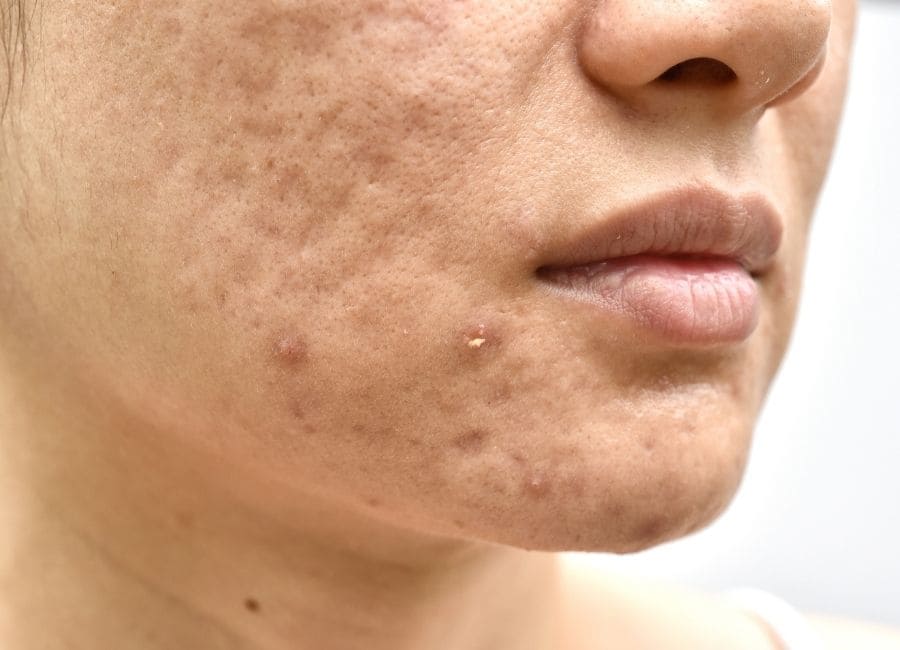

What is Acne and Why Does It Occur?
Acne is an infection that occurs as a result of inflammation of the oil glands under the skin. Hormonal changes, genetic factors and some external factors can trigger acne formation. Foods and drinks can also affect skin health and some foods can cause acne to increase. In this article, we will provide information about foods and drinks that can increase the scars on your skin or cause new acne to form.
Sugar and Refined Carbohydrates
Sugar and refined carbohydrates can increase your insulin levels by rapidly raising your blood sugar. High insulin levels can lead to increased oil production and therefore acne formation. White bread, sweets, sodas and packaged snacks are examples of such foods. Limiting the consumption of such foods can help prevent acne.
Milk and Dairy Products
Milk can be another factor that can cause acne. Especially skim milk and dairy products can stimulate insulin-like growth factors in the body, causing the oil glands to produce more sebum. This can lead to acne. Some studies suggest that dairy products can trigger acne, but the effects can vary from person to person.
Fatty and Processed Foods
Fatty and processed foods can increase inflammation levels in the body. Fried foods, fast food, and processed meats can damage your skin and increase the formation of acne. Trans fats and saturated fats can trigger inflammation in the skin, leading to acne. Therefore, it is important to limit the consumption of these types of foods.
Chocolate
Chocolate can trigger acne in some people. However, this effect is not seen in everyone. The sugar and dairy components in chocolate can contribute to the formation of acne. In addition, substances such as caffeine and theobromine in chocolate can affect hormone balance and increase oil production in the skin.
Alcohol and Carbonated Drinks
Alcohol can dry out the skin by disrupting the body's water balance. Dry skin causes the oil glands to produce more sebum, which can trigger acne. Carbonated drinks and energy drinks can also increase blood sugar levels due to their sugar content, which can increase acne. Excessive consumption of alcohol and carbonated drinks can negatively affect skin health.
Caffeine
According to some studies, caffeine can increase the body's stress hormone cortisol levels. Increased cortisol can increase oil production and lead to acne. Coffee, tea and some energy drinks contain caffeine, which can cause such effects. If you have acne problems, it may be beneficial to limit your caffeine consumption.
Foods That Don't Trigger Acne
There are also some foods you can consume to prevent acne. Foods that are especially rich in omega-3 fatty acids support skin health. Foods such as salmon, walnuts and flaxseed have anti-inflammatory properties and can help reduce inflammation in the skin. In addition, vegetables, fruits and whole grains also help keep your skin healthy.
As a result, you need to be careful
Foods that cause acne can have different effects on each individual. While chocolate, milk or fatty foods can trigger skin problems in some people, they may not have any effect on others. By observing the changes in your skin, you can determine which foods are causing problems for you and eliminate them from your diet. In addition, a balanced diet and a healthy lifestyle are important steps in acne treatment.
 Call
Call
 Whatsapp