


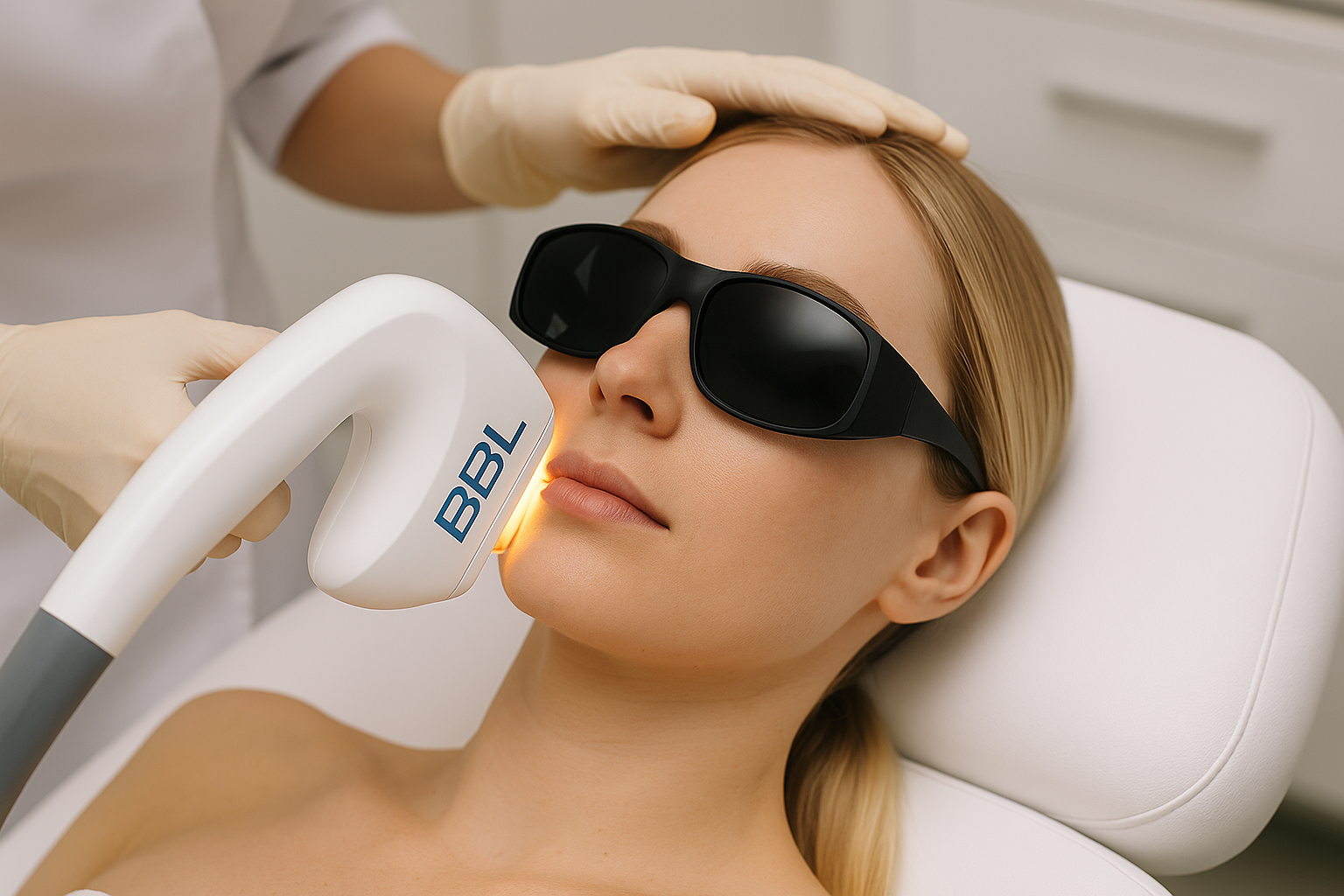

Pigmentation treatment in Ankara includes a range of methods intended to reduce the appearance of different types of skin pigmentation. These treatments aim to reduce pigment differences and support a more even skin tone. Various clinics and physicians in Ankara provide services in the field of dermatological procedures.
Pigmentation treatments performed in Ankara are planned individually and are generally selected by considering the person’s skin type and the type and extent of the pigmentation. Some treatments may involve several sessions, with a specific interval between them. This interval is important for allowing the skin to recover and assessing its response.
These treatments may support satisfaction with the skin’s appearance by reducing visible pigmentation. Skin Pigmentation Treatments may help people feel more comfortable in their daily lives.
For Which Types of Pigmentation Is Ankara Pigmentation Treatment Preferred?
Ankara Pigmentation Treatment offers methods that may be considered for various types of pigmentation. Common concerns include sunspots, age spots and pigmentation associated with hormonal changes. Different methods may be used for each type.
-
Sunspots: Prolonged sun exposure may cause brown or dark-coloured spots on the skin. Laser treatments or chemical peels may be considered for these spots in Ankara. These methods aim to support a more balanced appearance by targeting pigment differences at the skin surface.
-
Age Spots: These spots are more commonly seen with advancing age and may be associated with the natural ageing process and prolonged sun exposure. Laser treatments may be considered to reduce their appearance. Other methods may also be selected according to the person’s skin structure.
-
Hormonal Pigmentation: Changes in hormone levels, particularly during pregnancy, may contribute to dark spots known as melasma. In this situation, treatment should be planned carefully and the person’s hormonal condition should be considered.
Each pigmentation type requires a treatment plan prepared according to individual needs and skin structure. A suitable method may be determined following assessment.
Importance of Skin Pigmentation Treatments
Skin Pigmentation Treatments may be important not only for aesthetic concerns but also because certain spots require dermatological assessment. Skin pigmentation may sometimes be associated with another skin condition. Newly developed spots or those that change in shape or colour should therefore be examined by a dermatologist.
Pigmentation may become more noticeable over time and affect a person’s satisfaction with their skin appearance. Spots on the face may make some people feel uncomfortable in their social or professional lives. Pigmentation treatment may help reduce this appearance.
Treatment processes may also increase awareness of skincare. Skincare routines required before and after treatment may help support the skin barrier. In the long term, this may contribute to maintaining a healthier-looking complexion.
Common Types of Skin Pigmentation in Ankara
Different types of pigmentation associated with sun exposure, hormonal changes and previous skin conditions may be seen in Ankara. These include sun-related pigmentation, melasma and acne marks. Each has different causes and may require a different treatment approach.
-
Sun-Related Pigmentation: Prolonged or unprotected sun exposure may lead to pigmentation or cause existing spots to become darker, particularly during the summer months. Sunscreen plays an important role in reducing the risk of this type of pigmentation.
-
Melasma: Associated with hormonal changes and sun exposure, melasma generally appears in clusters on certain areas of the face. It may be more common among women and may require long-term treatment planning.
-
Acne Marks: Colour changes and marks left by previous acne are common concerns. Laser treatment or microdermabrasion may be considered according to the person’s skin structure.
Different treatment options are available in Ankara to reduce the appearance of these pigmentation concerns. A suitable method for each type should be selected following professional assessment.
Ankara Laser Pigmentation Treatment Methods
Ankara Laser Pigmentation Treatment is one of the methods considered for reducing the appearance of skin pigmentation. Laser technology may be used to target concentrated pigment and reduce differences in skin colour. The response may vary according to the device and the depth of the pigmentation.
Laser treatments may be performed with different devices and techniques. For example, Q-switched laser may help reduce the appearance of spots by targeting pigment. Fractional laser may support the skin renewal process and contribute to a more even-looking skin surface. Both methods should be considered according to the person’s needs and skin structure.
The treatment process may involve one or more sessions depending on the person’s skin structure and the characteristics of the pigmentation. Time may be allowed between sessions for the skin to recover. Mild redness or crusting may occur during this period. The duration and intensity of these reactions may vary.
Pigmentation Treatments and Their Results
Pigmentation Treatments may produce different results from person to person. It is important to have realistic expectations before beginning treatment. Some people may notice a change in pigmentation after the first sessions, while others may require a longer process.
Results vary according to the type and extent of pigmentation and the person’s skin structure. Superficial sunspots may show a noticeable reduction in a shorter period, while deeper pigmentation or melasma, which may recur, can require longer-term planning.
Paying attention to skincare after treatment may help preserve the achieved appearance for longer. Sunscreen, moisturising and gentle skin cleansing are important steps that support the treatment process.
Points to Consider After Pigmentation Treatment
Certain precautions are important for supporting the skin’s recovery after pigmentation treatment. The treated area should not be exposed to intense direct sunlight. Sunscreen is important during this period.
Because sensitivity may develop, skincare products containing strong active or irritating ingredients should be avoided. Gentle cleansers and moisturisers appropriate for the skin type may be preferred. Supporting the skin barrier may help the recovery process.
Following professional recommendations and attending necessary follow-up appointments may help monitor the skin’s response. Since every person’s skin structure is different, individual aftercare recommendations should be considered.
 Call
Call
 Whatsapp