


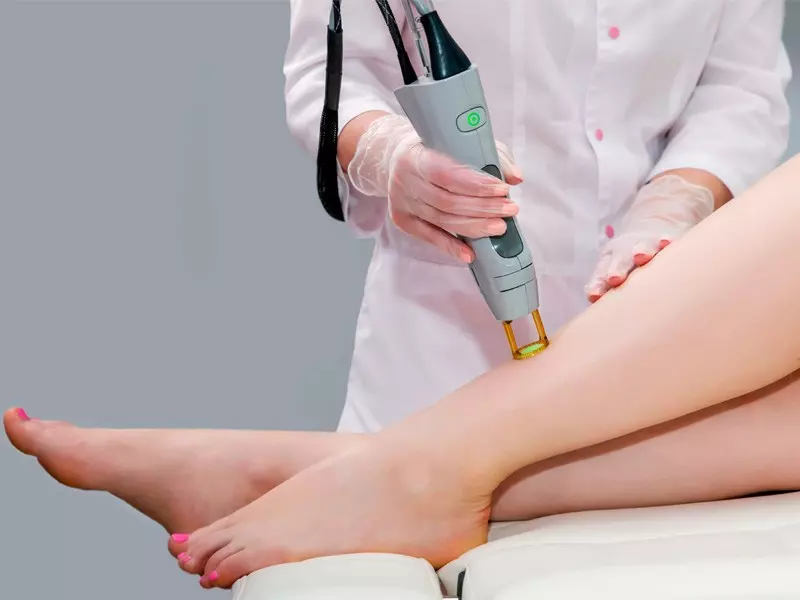

Q-Switch laser is one of the laser methods used to help reduce the appearance of pigmented spots located on the skin surface or within certain skin layers. This technology works by targeting melanin. Laser energy is absorbed by melanin and creates controlled fragmentation within the pigment. The fragmented pigment is intended to be gradually removed through the body’s natural processes.
This method may be considered for certain pigmentation concerns. When suitable equipment and settings are used, Q-Switch laser aims to create a controlled effect in targeted pigment areas. However, unwanted effects on surrounding tissue, temporary colour changes and other side effects may occur. Whether anaesthesia is required may vary according to the treatment area and individual sensitivity.
Q-Switch laser may also be used for certain tattoo-removal procedures and other pigmentation concerns. Since every person’s skin type and condition are different, professional assessment is important before treatment. This helps determine whether the method is suitable and identify possible risks.
Pigmentation Treatments: Different Types of Spots and Treatment Methods
Skin pigmentation may develop for different reasons, and different methods may be considered for each type. Pigmentation Treatments include procedures for sunspots, age spots, melasma and freckles. Each pigmentation concern may require a different approach.
-
Sunspots: These spots may develop because of sun exposure and can appear light or dark brown. They are frequently seen on exposed areas such as the face, hands and shoulders. Chemical peeling, microdermabrasion and laser treatments may be considered according to individual skin structure.
-
Age Spots: These spots may become more noticeable with age and long-term sun exposure and commonly affect the face, hands and arms. Q-Switch laser, cryotherapy and suitable topical products may be considered to reduce their appearance.
-
Melasma: Melasma consists of dark patches associated with hormonal changes, genetic susceptibility and sun exposure. Topical products, chemical peeling and certain laser procedures may be considered. However, laser treatment may not be suitable for every melasma case and should be planned carefully because of the risk of pigmentation becoming darker in some people.
Selecting an appropriate treatment depends on skin type, pigmentation depth, possible cause and individual needs. Professional assessment is therefore important.
For Which Pigmentation Types Is Q-Switch Laser Preferred?
Q-Switch Laser Pigmentation Treatment is an option that may be considered for certain pigment concerns. It may be preferred more commonly for some types, although the response varies from person to person.
-
Sunspots: Q-Switch laser may help reduce the appearance of sunspots by targeting concentrated melanin. It may be considered for spots on exposed areas such as the face and hands according to individual skin structure.
-
Freckles: Freckles may become more noticeable because of genetic susceptibility and sun exposure. Q-Switch laser may help soften their appearance and support a more uniform skin tone. Freckles may become noticeable again when sun exposure continues.
-
Age Spots: Q-Switch laser may be considered for certain spots that become more visible with age and long-term sun exposure. Laser energy may help reduce their appearance by targeting concentrated pigment.
Q-Switch laser may also be used for certain tattoo-removal procedures and other pigmentation concerns. Since every person’s skin and pigmentation characteristics differ, suitability should be determined following professional assessment.
Advantages and Disadvantages of Q-Switch Laser
Q-Switch laser may be preferred for certain pigmentation treatments because of its characteristics. However, like every treatment method, it has advantages, limitations and possible side effects.
Advantages
-
Targeted Procedure: Q-Switch laser may be adjusted to target specific pigment areas. Suitable devices and energy settings may help limit unwanted effects on surrounding tissue.
-
Recovery Period: Recovery varies according to treatment intensity and individual skin structure. Some people may return to daily activities within a short period.
-
Visible Change: Depending on the type and depth of the pigmentation and the skin’s response, a change may be noticed after one or more sessions.
Disadvantages
-
Temporary Side Effects: Redness, swelling, sensitivity, crusting or temporary changes in skin colour may occur after treatment.
-
Need for Multiple Sessions: More than one session may be required to achieve the planned appearance. The number of sessions is determined according to the type of pigmentation and the skin’s response.
-
Suitability Limitations: Q-Switch laser may not be suitable for every skin type or pigmentation concern. Settings require particular care in darker skin tones and melasma.
The advantages and limitations of Q-Switch laser vary according to individual skin type and pigmentation characteristics. Consulting a dermatologist or qualified healthcare professional before treatment is important for assessing expectations and possible risks.
How Does the Q-Switch Laser Treatment Process Work?
The Q-Switch laser treatment process may vary according to skin type and the type of pigmentation. It generally consists of several stages.
-
Consultation and Assessment: Skin structure and pigmentation characteristics are assessed before treatment. The type of spot is identified, and a suitable device, energy setting and treatment plan are selected.
-
Treatment Application: Q-Switch laser is applied to target concentrated melanin. Session duration varies according to the size of the spot, treatment area and device settings. Some procedures may take approximately 15–30 minutes.
-
Aftercare: The skin may become sensitive after treatment. Intense direct sunlight should be avoided, and broad-spectrum sunscreen suitable for the skin type should be used. The practitioner’s aftercare instructions should be followed.
The process varies according to skin type and pigmentation depth. The number of sessions is determined by considering the characteristics of the spot and the skin’s response. Regular follow-up and adherence to aftercare may help the process progress in a more controlled manner.
Aftercare Recommendations Following Q-Switch Laser Pigmentation Treatment
Following aftercare recommendations is important for supporting skin recovery and reducing the risk of unwanted reactions.
Aftercare Recommendations:
-
Using Sunscreen: The skin may become more sensitive to sunlight after treatment. Broad-spectrum sunscreen suitable for the skin type may help protect it from ultraviolet radiation.
-
Gentle Cleansing: A gentle cleanser should be used to support recovery. Harsh, abrasive and irritating products should be avoided.
-
Applying Moisturiser: A moisturiser suitable for the skin type and preferably free from fragrance may help support the skin barrier and moisture balance.
Aftercare is important for supporting recovery and preserving the achieved appearance. Professional assessment should be obtained if an unexpected or increasingly severe reaction occurs.
Points to Consider During Pigmentation Treatment
Pigmentation treatments include procedures intended to reduce visible pigment differences. Certain points should be considered to reduce the risk of unwanted results.
-
Selecting a Qualified Practitioner: Procedures such as laser treatment should be performed by trained and qualified practitioners. Experience and suitable device use may help reduce possible risks.
-
Treatment Process and Expectations: Information should be obtained about the process, limitations and possible results before treatment. Realistic expectations may help the treatment be evaluated more appropriately.
-
Regular Follow-Up: Follow-up appointments may help assess the skin’s response and modify the treatment plan when necessary. The recommended follow-up plan should be followed.
Since every person’s skin structure and needs differ, an individual treatment plan should be prepared. Careful application and aftercare may help protect the skin and allow possible side effects to be evaluated early.
 Call
Call
 Whatsapp