


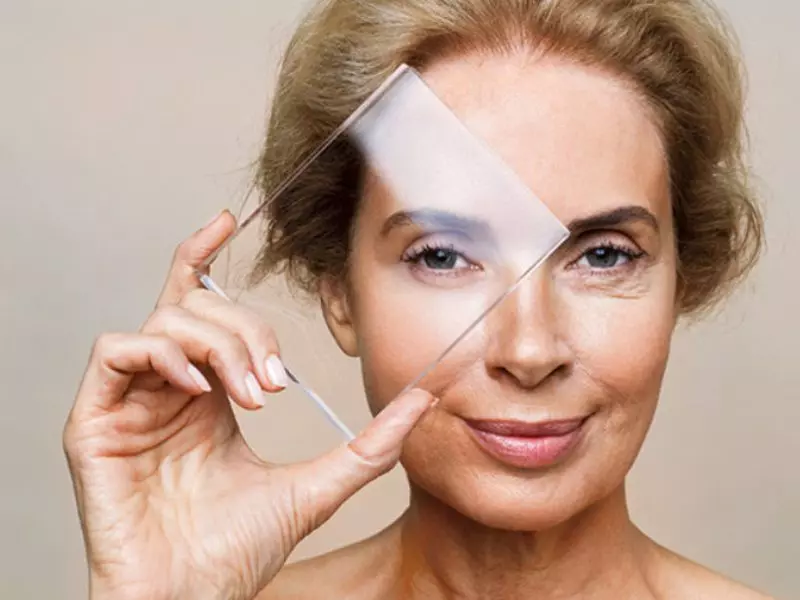

Skin tone evening includes skincare and treatment approaches intended to reduce visible colour differences and support a more balanced-looking complexion. These procedures generally focus on dark spots, pigment irregularities and colour changes that develop after acne. Their purpose is to soften visible differences in skin colour and help the complexion appear more uniform.
Skin tone evening procedures may involve various cosmetic products and professional treatments. In addition to topical products such as creams and serums, laser treatments and chemical peels may be considered according to individual skin structure. These methods may support skin renewal and help create a more balanced appearance.
Different skin tone evening methods are available, ranging from personal skincare products to professional treatments. However, not every method is suitable for every skin type, natural skin tone or pigmentation concern. The approach should be selected according to individual needs.
For Which Types of Pigmentation Is Skin Tone Evening Preferred?
The answer to for which types of pigmentation skin tone evening is preferred varies according to the type of spot and individual skin structure. These methods may be considered for certain sunspots, age spots and colour changes that develop after acne. Such pigmentation concerns may create visible differences in skin colour.
Sunspots may develop in association with long-term ultraviolet exposure. They may appear as light or dark brown areas of pigmentation. Skin tone evening methods may help reduce their appearance. Professional procedures such as laser treatment and chemical peeling should be assessed according to the skin type and characteristics of the pigmentation.
Dark colour changes that occur after acne may also be reduced through skin tone evening procedures. However, depressed or raised acne scars are not simply colour irregularities and may require different treatment approaches. Skin tone evening methods may help reduce post-acne colour differences and support a more balanced-looking complexion.
Types of Skin Pigmentation and Treatment Methods
Skin pigmentation may develop for different reasons and may be classified into several types. These include sunspots, age spots, melasma and colour changes that develop after acne. Each type may require a different treatment approach, and skin tone evening may be considered as part of these procedures.
-
Sunspots: These spots may develop when pigment concentration increases because of sun exposure. Sunscreen may help reduce the risk of new spots and existing pigmentation becoming darker. Suitable skin tone evening products may be used to reduce their appearance.
-
Age Spots: These spots may become more noticeable with age and long-term sun exposure and may appear as concentrated areas of pigment. Laser treatment and chemical peeling may be considered to reduce their appearance in people with suitable skin characteristics.
-
Melasma: Melasma may be associated with hormonal changes, sun exposure and genetic susceptibility and can appear as dark patches on the face. It may be assessed using topical products, chemical peels and selected laser methods. Laser treatment may not be suitable for every case and may carry a risk of darkening or recurrence in some people.
Skin pigmentation treatments should be planned according to individual needs and the characteristics of the pigmentation. Professional assessment is important when determining a suitable method.
Effective Methods for Pigmentation Treatment
Pigmentation treatments include different methods used to support a more balanced skin tone and reduce visible pigment differences. There is no single method that is most effective for everyone. The suitability of laser treatment, chemical peeling and microdermabrasion varies according to the type of pigmentation and skin structure.
-
Laser Treatments: Laser procedures may help reduce visible spots by targeting concentrated pigment. They may be considered for certain persistent pigmentation concerns and may support a more balanced-looking skin texture. The device and energy settings used during Ankara Lazer procedures should be selected according to individual characteristics.
-
Chemical Peeling: This method creates controlled exfoliation of the skin surface and aims to reduce the appearance of certain superficial spots. Chemical peeling using different types and concentrations of acids should be planned according to individual skin type.
-
Microdermabrasion: This method gently abrades the skin surface and aims to remove dead cells. It may help reduce the appearance of certain superficial colour irregularities, although its effects may be limited for deeper pigmentation.
These pigmentation treatments may be considered to reduce visible pigment differences and support a more balanced-looking complexion. Since every method has advantages, limitations and possible side effects, professional assessment is important.
Laser Skin Pigmentation Treatments in Ankara
Different centres in Ankara offer skin pigmentation treatments. Laser treatment is one of the methods considered for certain pigment concerns. Laser energy may help reduce visible pigmentation by targeting areas of concentrated pigment.
Different devices and treatment methods may be used at centres offering laser pigmentation treatment in Ankara. The plan should consider natural skin tone, sensitivity, the type of pigmentation and medical history. Results and their duration vary from person to person.
Depending on the technology used, laser treatment may create a controlled effect on the skin surface or in specific skin layers. It may help lighten spots and support a more balanced-looking skin texture. Information about the centre, device and qualifications of the practitioner should be obtained before treatment.
Advantages of Skin Tone Evening Procedures
Skin tone evening procedures may reduce visible colour irregularities and support a more uniform-looking complexion. The degree of change varies according to the method and individual skin characteristics.
Another possible advantage is a reduction in the appearance of pigmentation. Methods performed as part of pigmentation treatments may reduce differences in skin colour and support a smoother-looking complexion.
Depending on the method, skin tone evening procedures may remove dead cells from the skin surface or target concentrated pigment. They should not be assumed to remove toxins from the skin or improve general skin health with certainty. Possible benefits and risks should be evaluated according to individual characteristics.
Points to Consider Before and After Skin Pigmentation Treatment
Certain points should be considered before and after skin pigmentation treatment. These precautions may help the process progress in a more controlled manner and reduce the risk of unwanted reactions. Attention to skincare and avoiding intense sun exposure are important before treatment.
Cleansing and moisturising products used before treatment should be selected according to the skin type and procedure. Products that may irritate the skin may need to be restricted temporarily. Broad-spectrum sunscreen suitable for the skin type may help reduce the risk of new spots and existing pigmentation becoming darker.
The skin may become sensitive after treatment, so skincare products should be selected carefully. Gentle cleansers and suitable moisturisers may help reduce irritation. Following aftercare and monitoring recommendations after skin pigmentation treatments may support the skin’s recovery.
 Call
Call
 Whatsapp