


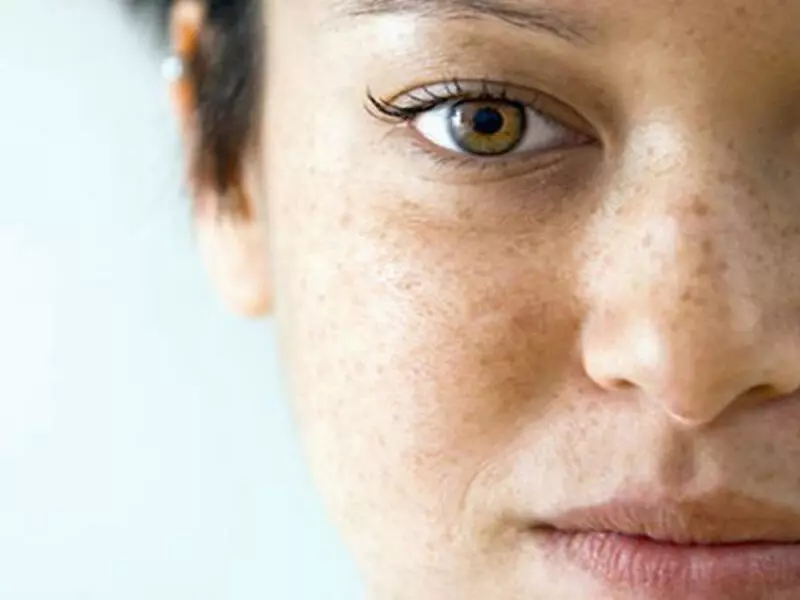

Interest in skin health has increased considerably, and many people are seeking information about sunspot treatment. In this article, we will discuss what sunspots are, the forms in which they may appear and the available treatment methods. We will also explain the points that should be considered during treatment and the skincare required afterwards.
What Are Sunspots?
Sunspots are dark-coloured marks that develop as a result of exposure to sunlight. They form when melanin production increases and are commonly seen on the face, hands and neck. Melanin is the pigment that gives the skin its natural colour and increases in response to sunlight as part of the skin’s protective mechanism.
Sunspots are not only an aesthetic concern but may also indicate cumulative sun damage. Harmful ultraviolet rays can damage skin cells and contribute to the development of pigmentation. Regular sunscreen use is therefore extremely important for helping prevent sunspots.
Although most sunspots are harmless, any mark that changes in shape, colour, size or appearance should be assessed by a dermatologist. A professional examination is important for distinguishing ordinary pigmentation from other skin conditions that may require medical attention.
Sunspots and Their Types
Sun-related pigmentation may appear in different shapes and sizes. It is generally classified into the following types:
Solar Lentigines
Solar lentigines, also known as age spots, are flat brown marks that usually develop after prolonged sun exposure. They are more common in individuals over the age of 40 but may also appear earlier in people with significant cumulative sun exposure.
Melasma
Melasma is characterised by dark patches that generally appear on the face. It may be associated with pregnancy, hormonal changes and sun exposure and is more common in women.
Freckles
Freckles are small reddish-brown or light-brown spots associated with genetic predisposition. They often become more noticeable following sun exposure.
Solar lentigines are among the most common forms of sun-related pigmentation. Melasma is generally linked to hormonal factors as well as sunlight, while freckles may be hereditary. Since each type responds differently to treatment, accurate diagnosis is important before planning a procedure.
Sunspot Treatment
Sunspot treatment varies according to the type, depth and severity of the pigmentation. Available options include topical creams, chemical peels, laser treatments and microdermabrasion. Each method has its own advantages and limitations, so professional advice from a dermatologist is important.
Topical products may contain ingredients such as hydroquinone, kojic acid, vitamin C or other pigment-regulating substances. These products may help reduce the visibility of pigmentation by supporting a more even-looking skin tone.
Chemical peels exfoliate the upper layers of the skin and encourage the formation of a fresher-looking surface. The type and strength of the peeling solution should be selected according to the individual’s skin type and the depth of the pigmentation.
Laser treatments target excess pigment and help break it down. Several sessions may be required depending on the type of mark and the individual’s skin response. Microdermabrasion mechanically exfoliates the upper layer of the skin and may help reduce the appearance of superficial pigmentation.
For Which Types of Pigmentation Is Sunspot Treatment Preferred?
The question of which types of pigmentation are suitable for sunspot treatment should be considered before beginning any procedure. Superficial and recently developed marks may generally respond more readily to treatment. Solar lentigines may respond well to laser treatment, while melasma requires a more cautious and comprehensive approach.
Since melasma is influenced by hormonal and environmental factors, treatment should be planned carefully. Sun protection, topical products and selected dermatological procedures may be used together. Hormonal factors and the risk of recurrence should also be considered.
Freckles may be managed with sun protection, topical products and selected professional treatments. However, because they are often related to genetic predisposition, they may become noticeable again after sun exposure.
Skin type and skin tone are also important when selecting treatment. Certain methods may increase the risk of temporary or persistent pigmentation changes in darker skin tones. A personalised treatment plan should therefore be prepared after a professional skin assessment.
Methods Used in Sunspot Treatment
Different methods may be used in sunspot treatment, and each offers specific benefits.
Topical Creams
Topical products are among the most commonly used options. They may contain ingredients such as hydroquinone, kojic acid and vitamin C. These products help reduce the appearance of pigmentation and support a more even skin tone when used regularly under professional guidance.
Chemical Peels
Chemical peels remove the upper layers of the skin in a controlled manner and support skin renewal. They may help reduce the visibility of superficial pigmentation while improving the skin’s general appearance.
Laser Treatments
Laser energy targets melanin within the pigmented area and helps break it down. Several sessions may be needed, and treatment settings should be adjusted according to the individual’s skin tone and the type of pigmentation.
Microdermabrasion
Microdermabrasion mechanically exfoliates the upper layer of the skin. It may be suitable for more superficial marks and can also support improvements in skin texture.
Each method may provide different results depending on the individual’s skin type and the characteristics of the pigmentation. A professional dermatological assessment is therefore important before starting treatment.
Benefits of Sunspot Treatment
Sunspot treatment may offer both aesthetic and skincare-related benefits.
A More Even-Looking Skin Tone
Treatment may reduce the visibility of pigmentation and contribute to a more balanced complexion. This can support a fresher and healthier-looking appearance.
Improved Self-Confidence
A visible improvement in skin appearance may help individuals feel more confident in their social and professional lives.
Support for Skin Renewal
Procedures such as chemical peeling and microdermabrasion may support skin renewal and improve the appearance of uneven texture.
These benefits demonstrate that sunspot treatment is not limited to cosmetic improvement. When planned correctly, it can also support the skin’s overall appearance and condition.
Points to Consider During Sunspot Treatment
Several important precautions should be followed to support a safe and effective treatment process.
Sun Protection
Regular sunscreen use is essential throughout treatment. The skin may become more sensitive after procedures such as laser treatment or chemical peeling, making protection from ultraviolet rays especially important.
Appropriate Skincare
Post-treatment skincare supports recovery. Gentle cleansers, moisturisers and products suitable for sensitive skin may help protect the skin barrier.
Professional Guidance
Consulting a dermatologist before and during treatment helps ensure that the correct method is selected and that the plan is personalised according to the individual’s skin needs.
These precautions contribute to a safer treatment process and help reduce the likelihood of unwanted reactions or recurrence.
Skincare After Sunspot Treatment
Post-treatment care helps maintain treatment results and supports healthy skin.
Avoiding Sun Exposure
The treated skin may be more sensitive to sunlight. Direct sun exposure should therefore be limited, and a broad-spectrum sunscreen with a high SPF should be applied regularly.
Using Moisturiser
A suitable moisturiser should be used to maintain the skin’s moisture balance and support the recovery of the skin barrier.
Choosing Gentle Products
Products formulated for sensitive skin should be preferred after treatment. Harsh, irritating or heavily fragranced products should be avoided during the recovery period.
These recommendations help protect the skin after sunspot treatment and contribute to maintaining a healthier-looking complexion over the long term. Sunspot treatment is only one stage of the process; consistent skincare and sun protection remain essential for preserving the results.
 Call
Call
 Whatsapp