


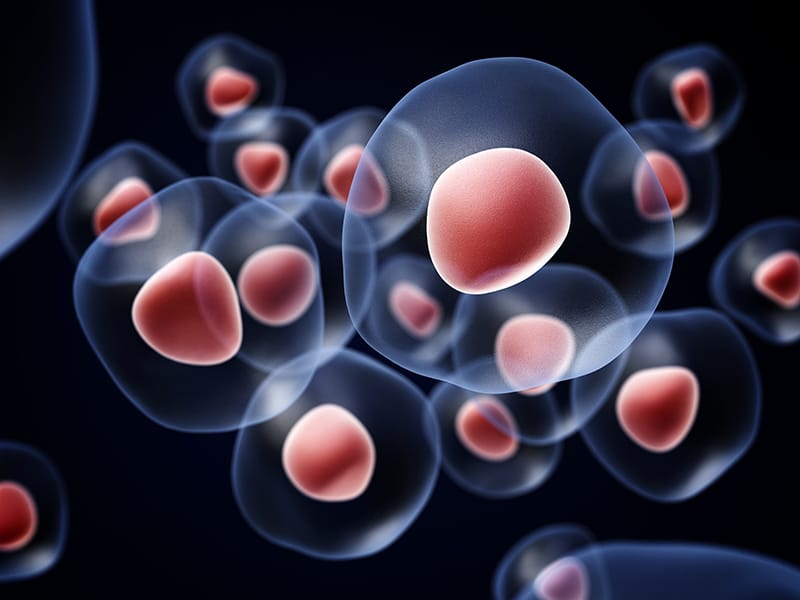

Stem cell-based applications are among the regenerative approaches being investigated and used in selected aesthetic and medical fields. This article discusses their potential role in scar management, the types of scars for which they may be considered and the general stages of the treatment process.
What Is Stem Cell-Based Treatment?
Stem cells are specialised cells capable of developing into different cell types under appropriate biological conditions. Their potential role in tissue repair has led to research into their use for various medical and dermatological concerns.
Treatments described as stem cell therapy may differ considerably in terms of the source of the cells, preparation method, degree of laboratory processing and intended clinical use. Some procedures may involve cells or cell-derived components obtained from the individual’s own tissue, while others may refer more broadly to regenerative products.
These applications aim to support tissue repair and remodelling. However, they should not automatically be considered established or universally effective treatments for every type of scar.
The use of autologous material, meaning material obtained from the same individual, may reduce certain compatibility concerns. Nevertheless, it does not eliminate risks such as infection, contamination, inflammation, bruising, swelling or an unpredictable tissue response.
Potential Advantages of Stem Cell-Based Scar Treatment
Stem cell-based scar treatment may offer potential benefits in selected cases. One intended effect is to support tissue remodelling and collagen production, which may help improve the appearance of certain scars.
Treatment can be personalised according to the individual’s skin characteristics, the type of scar and the affected area. This individualised approach is important because flat, depressed, raised and discoloured scars do not respond to the same procedures.
Some applications may be minimally invasive and may not require major surgery. However, the level of discomfort, recovery time and possible complications depend on how the biological material is collected, processed and applied.
It would not be accurate to describe these procedures as completely natural, risk-free or consistently more effective than established scar treatments. Their suitability should be assessed by a physician familiar with both regenerative medicine and scar management.
How Stem Cell-Based Scar Treatment May Work
The proposed mechanism of stem cell-based scar treatment is associated with tissue repair, cellular signalling and collagen remodelling. Certain regenerative products may release substances that influence inflammation, blood vessel formation and the activity of cells involved in wound healing.
Rather than simply replacing damaged tissue, some treatments may aim to support the skin’s existing repair mechanisms. This may gradually improve texture, flexibility or the general appearance of the treated area.
Claims that injected stem cells directly settle in the scar and create new healthy tissue should be interpreted cautiously. The biological behaviour of the cells and the clinical outcome depend on the product, processing method and treatment protocol.
The effectiveness of these procedures varies, and the available evidence is not equally strong for every scar type. Established options such as laser treatment, microneedling, subcision, fillers, injections or surgery may be more appropriate in some cases.
For Which Types of Scars May Treatment Be Considered?
Stem cell-based or regenerative applications may be evaluated for different scar types, but suitability depends on the structure and severity of the scar.
Acne Scars
Acne scars may appear as depressed, raised or discoloured marks. Regenerative treatments may be discussed as part of a combined plan for selected depressed scars.
However, different acne scar types require different approaches. Fractional laser, radiofrequency microneedling, subcision, chemical peeling or dermal fillers may have a more established role depending on the scar characteristics.
Surgical Scars
Surgical scars may be flat, raised, depressed, red or attached to deeper tissue. Regenerative procedures may be considered in selected cases to support tissue quality or remodelling.
The appearance of a surgical scar can continue changing for many months. Treatment timing should therefore take the natural maturation process of the scar into account.
Burn Scars
Burn scars may involve extensive tissue damage, colour changes, stiffness and movement restriction. Their management may require a combination of dermatological treatment, plastic surgery and rehabilitation.
Stem cell-based treatment alone may not be sufficient, particularly when the burn scar is raised, contracted or affects joint movement.
Traumatic Scars
Scars caused by accidents or injuries vary according to the depth of the original wound and the healing process. Regenerative treatment may be considered for selected texture or flexibility concerns.
Scars involving deeper tissue attachment, loss of tissue or significant deformity may require surgical or combined treatment methods.
A detailed assessment is required before deciding whether a stem cell-based application is suitable for any of these scar types.
The Stem Cell-Based Treatment Process
The process generally begins with a detailed medical consultation. The physician evaluates the individual’s skin type, scar characteristics, medical history, previous treatments and expectations.
A personalised plan should explain which biological material will be used, where it will come from and how it will be processed. Blood-derived treatments such as platelet-rich plasma should not automatically be described as stem cell therapy because they are biologically different.
Some procedures may involve collecting a small amount of adipose tissue or another approved tissue source. The collection and preparation stages must be performed under suitable medical and sterile conditions.
The prepared product may then be applied to or injected into the treatment area. The exact procedure, anaesthesia requirements and treatment duration depend on the method used.
Temporary redness, bruising, tenderness or swelling may occur afterwards. Visible changes, when they occur, generally develop gradually over several weeks or months as tissue remodelling continues.
Who May Be a Suitable Candidate?
Suitability should be determined according to the individual’s general health, scar type and treatment expectations.
General Health
Individuals with uncontrolled diabetes, active infections, impaired wound healing, bleeding disorders or certain immune system conditions may require additional precautions or may not be suitable candidates.
Current medications, allergies and previous reactions to procedures should be discussed with the physician.
Skin and Scar Characteristics
Age alone does not determine suitability. The type, age, depth and location of the scar are generally more important than whether the skin is young or mature.
The treatment is unlikely to provide the same result for every individual or every skin type.
Ability to Follow Aftercare Instructions
Following wound-care, sun-protection and skincare recommendations is important. The treatment area should be protected during recovery, and scheduled follow-up appointments should not be neglected.
Realistic Expectations
Stem cell-based applications cannot guarantee complete scar removal. The aim is generally to reduce visibility or improve texture rather than restore the skin perfectly.
Points to Consider Before Treatment
Before proceeding, the individual should ask for clear information about the product and procedure.
The physician should explain:
-
The source and content of the biological material
-
Whether laboratory processing is involved
-
The evidence supporting its use for the specific scar
-
Possible risks and complications
-
Regulatory and legal status
-
Alternative scar-treatment methods
-
The expected number of sessions and recovery period
The procedure should only be performed by qualified medical professionals under appropriate conditions.
Professional assessment from centres offering Ankara Laser or regenerative treatments may help determine which method is most appropriate. However, the choice should be based on the scar’s characteristics and the available medical evidence rather than the name or popularity of a particular procedure.
In conclusion, stem cell-based scar treatment may be considered for selected acne, surgical, burn or traumatic scars. However, it is not suitable for every scar and does not guarantee complete removal. A specialist should compare its potential benefits and risks with more established scar-treatment options before preparing an individualised plan.
 Call
Call
 Whatsapp