


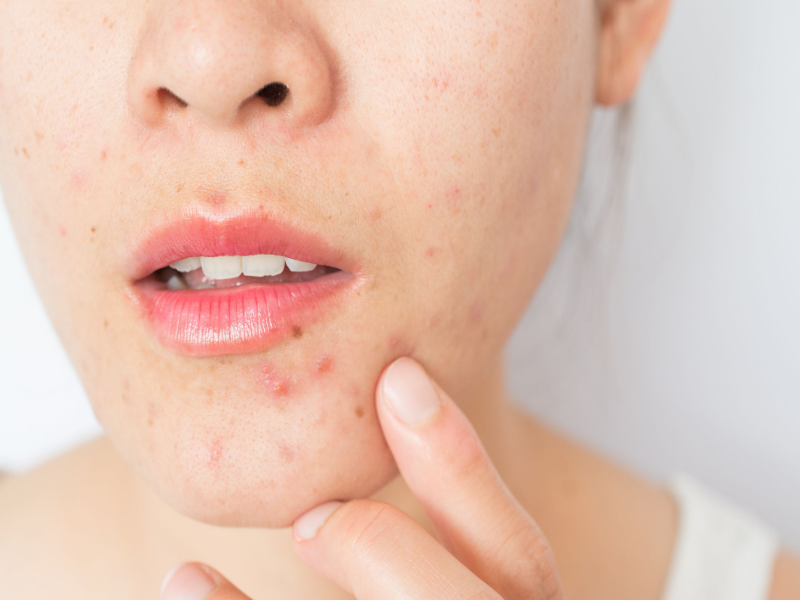

Acne scars are persistent changes that may develop during the healing process after acne. These scars may result from inflammation and damage affecting different layers of the skin. Acne and pimple scars can develop when normal tissue repair is altered and may appear as depressed, raised, or uneven areas on the skin.
Acne scars can affect appearance and may influence self-confidence for some individuals. Their depth, size, color, and type vary from person to person. Some scars may be mild and less noticeable, while others may be deeper or more prominent. For this reason, acne scar treatment may be considered by individuals who are concerned about these changes.
Reducing the risk of acne scars is generally easier than treating established structural scars, although not every scar can be prevented. Once scars have formed, different treatment methods may help improve their visible appearance. Choosing the appropriate treatment and receiving professional dermatological assessment are therefore important.
Methods Used in Acne Scar Treatment
There are several different methods used in acne scar treatment. The choice depends on the type and depth of the scars, skin phototype, previous treatments, and individual skin characteristics. Some commonly considered Acne Scar Treatment methods include:
- Laser Treatment: Selected Ankara Laser procedures may help improve the appearance of certain acne scars. Different laser systems create controlled effects in the skin and may support resurfacing or tissue remodeling depending on the technology used.
- Chemical Peeling: Chemical solutions are applied in a controlled way to exfoliate selected layers of the skin. This may help improve certain superficial pigmentation changes or mild textural irregularities.
- Microdermabrasion: This technique mechanically exfoliates the outermost layer of the skin and may help improve selected superficial texture concerns. Its effect on deeper structural acne scars is generally more limited.
These treatment methods may produce different results for different individuals. For this reason, professional evaluation is important when deciding which option may be more appropriate. Each method has its own potential benefits, limitations, side effects, and recovery requirements.
How Long Does Acne Scar Treatment Take?
The duration of acne scar treatment depends on the method used, scar type, scar depth, and individual healing response. Some treatment plans may extend over several weeks or months, particularly when multiple sessions are required. Laser treatments, for example, may sometimes involve more than one session with recovery intervals between treatments.
Patience is important during Acne Scar Treatment because most methods do not completely eliminate established scars. However, selected treatments may reduce their visible appearance and improve skin texture over time. Monitoring changes during treatment and reviewing the plan with a dermatologist when necessary can help guide the process.
The overall treatment period also depends on the individual's skin characteristics and response to each procedure. Some people may require a longer treatment course than others. Regular follow-up can help assess improvement, side effects, and whether the treatment strategy should be adjusted.
Possible Side Effects of Acne Scar Treatment
As with other medical and aesthetic procedures, acne scar treatment may have side effects. These vary according to the treatment method, treatment intensity, area being treated, skin phototype, and individual sensitivity.
- Redness and Swelling: Temporary redness or swelling may occur after procedures such as certain laser treatments or chemical peels. These effects may improve within several days in some cases, while more intensive procedures may require a longer recovery period.
- Dryness and Peeling: Temporary dryness, flaking, or peeling may occur after treatment. Suitable moisturizers may help support the skin barrier and reduce discomfort during recovery.
- Pigment Changes: Temporary lightening or darkening of the treated area may occur after certain procedures. The risk can vary according to skin phototype, treatment settings, and sun exposure, making appropriate sun protection important.
Many side effects are temporary, but their severity and duration vary. If symptoms are unexpectedly severe, worsening, or prolonged, professional evaluation should be obtained rather than assuming that every reaction is part of normal recovery.
Which Treatment Method Is Suitable for Me?
The choice of acne scar treatment depends on several factors. Skin type, scar pattern, scar depth, medical history, recovery expectations, available time, and budget may all influence treatment planning, although medical suitability should remain the primary consideration.
A detailed assessment by a dermatologist can help determine which treatment or combination of treatments may be more appropriate. The evaluation may include scar type, skin phototype, active acne, pigmentation tendency, previous treatments, and individual healing characteristics.
It is important to remember that Acne Scar Treatment is an individualized process and that not every method is appropriate for every person. Professional guidance can help establish realistic expectations and select a treatment plan based on the individual's scar characteristics and skin condition.
Aftercare Recommendations Following Acne Scar Treatment
Appropriate skin care after acne scar treatment may help support recovery and reduce unnecessary irritation. The exact routine depends on the procedure performed and how the skin responds. Some commonly recommended measures include:
- Sun Protection: Recently treated skin may become more sensitive to ultraviolet exposure. Broad-spectrum sunscreen and additional sun-protection measures may therefore be recommended according to the procedure.
- Moisturizing: Suitable moisturization may help support the skin barrier and reduce dryness or tightness. Products should be selected according to skin type and the treatment performed.
- Skin Cleansing: Gentle cleansing can help remove oil, dirt, sunscreen, or makeup residue without unnecessarily irritating recovering skin. The timing and type of cleanser should follow professional aftercare instructions.
These measures may help support the recovery process, but they cannot guarantee a specific treatment result or eliminate all possible side effects. If you are considering Acne Scar Treatment, a dermatological assessment can help determine which approach may be more suitable for your scar type and skin characteristics.
 Call
Call
 Whatsapp