


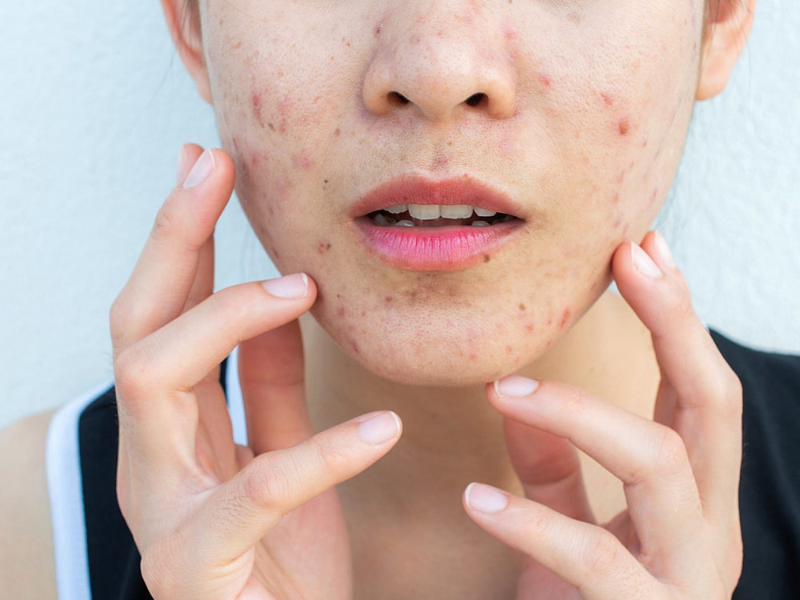

Acne treatment refers to a set of methods applied to reduce acne formations that occur on the skin and help improve their appearance. This treatment is important both aesthetically and psychologically. Acne is usually seen on areas such as the face, back, and chest, and different approaches may be used in its treatment.
Treatment methods vary from person to person. During the acne treatment process, the condition of the skin, the severity of acne, and personal preferences are taken into consideration. For this reason, evaluations performed by dermatologists are very important. Throughout the treatment process, the skin’s moisture balance, the ingredients of the products used, and their suitability for the skin type should be carefully monitored.
The aim of acne treatment is not only to reduce existing acne but also to help prevent new acne formation. Therefore, it is useful to note that the treatment process requires patience. Since everyone’s skin structure and response are different, acne treatment usually requires a personalized approach.
Reasons for Acne Treatment
The most common reason for seeking acne treatment is the desire to improve the appearance of the skin. Acne problems may negatively affect social life and reduce a person’s self-confidence. Therefore, acne treatment may be an important step in helping a person feel more confident.
Hormonal changes are among the main causes of acne formation. Adolescence, pregnancy, or hormonal fluctuations may increase oil production in the skin and lead to acne. In such cases, supporting hormonal balance plays a critical role in acne treatment.
In addition, genetic factors may also contribute to acne formation. People with a family history of acne may have a higher tendency to develop acne. In such cases, creating a long-term and effective treatment plan is very important. During the acne treatment process, genetic tendencies should be taken into consideration, and long-term solutions should be evaluated.
Most Common Mistakes in Acne Treatment
Many people may act unconsciously during acne treatment. One of the most common mistakes is squeezing pimples. This increases the risk of infection and may leave lasting marks on the skin. During acne treatment, such habits should be avoided in order not to cause further damage to the skin.
Using the wrong products is another common mistake. Every skin type is different, and not every product may be suitable for every skin type. Products that are not suitable for the skin type may irritate the skin and make the problem worse. Therefore, getting help from a dermatologist and using products suitable for the skin type are important for acne treatment.
In addition, not being patient during the treatment process is a frequently made mistake. Acne treatment may take time, and results may not be observed immediately. For the treatment to be effective, it should be continued regularly and consistently. Acting impatiently may negatively affect the success of the treatment.
Methods Used for Acne Treatment
There are various methods available for acne treatment, and these methods may vary depending on the person’s skin type, the severity of acne, and other factors. Medication treatment, topical creams, and lotions are among the most commonly used methods. These products help regulate the skin’s oil balance and reduce bacteria.
Laser treatment is one of the more advanced acne treatment options. Laser applications may help reduce the activity of oil glands and target bacteria on the skin. This method may offer an effective option especially for individuals with persistent and intense acne problems.
Chemical peeling is another effective method. This procedure exfoliates the upper layer of the skin and helps remove dead skin cells while supporting the formation of new skin cells. Chemical peeling is generally preferred for milder acne problems and may be effective in reducing color differences on the skin. These methods, which are among acne treatment options, should be used in line with dermatologist recommendations.
Natural Acne Treatment Methods
Natural methods may be used as supportive options in acne treatment and may be preferred especially for mild acne concerns. Tea tree oil is a natural option commonly used in acne care thanks to its antibacterial properties. It may be applied to the skin with proper dilution and may support visible improvement with regular use.
Honey is known as a natural moisturizer and antibacterial ingredient. It may be used as a face mask and may help maintain the skin’s moisture balance while reducing acne formation. Honey can also be combined with other natural ingredients, which may support its effect.
Aloe vera is known for its soothing properties and may play a supportive role in acne care. During the acne treatment process, it may be used to reduce redness and irritation on the skin. Aloe vera gel helps soothe inflammation and supports skin renewal. Natural methods generally cause fewer side effects compared to products with strong chemical ingredients and may support skin health.
Things to Consider in Acne Treatment
There are some important points to consider during acne treatment. First of all, skin cleansing is very important. A daily skincare routine should focus on cleansing and moisturizing the skin. When choosing skincare products, it is important to make sure that they contain ingredients suitable for acne treatment.
Eating habits may also affect acne formation. Foods high in sugar and fat may trigger acne by increasing oil production in the skin. A balanced and healthy diet may positively support skin health. Drinking plenty of water is also important for skin health and helps remove toxins from the body.
Finally, stress management is a factor that should not be overlooked during the acne treatment process. Stress may affect hormone levels in the body and increase acne formation. Relaxing activities such as yoga and meditation may help reduce stress levels and support skin health.
Frequently Asked Questions About Acne Treatment
Many questions may come up about acne treatment. One of the most frequently asked questions is how long the treatment will take. This may vary depending on the person’s skin type, the severity of acne, and the treatment method used. In general, it may take a few weeks to a few months to see results.
Another frequently asked question is whether wearing makeup during acne treatment is suitable. When applying makeup, products that do not clog the skin and do not negatively affect the acne treatment process should be preferred. In addition, makeup tools should be kept hygienic and cleaned regularly.
Finally, whether natural methods are effective is also among the topics often wondered about. Natural methods may cause fewer side effects compared to products with strong chemical ingredients and may be useful for mild acne concerns. However, for severe and persistent acne problems, getting help from a professional dermatologist is the most appropriate choice.
 Call
Call
 Whatsapp