


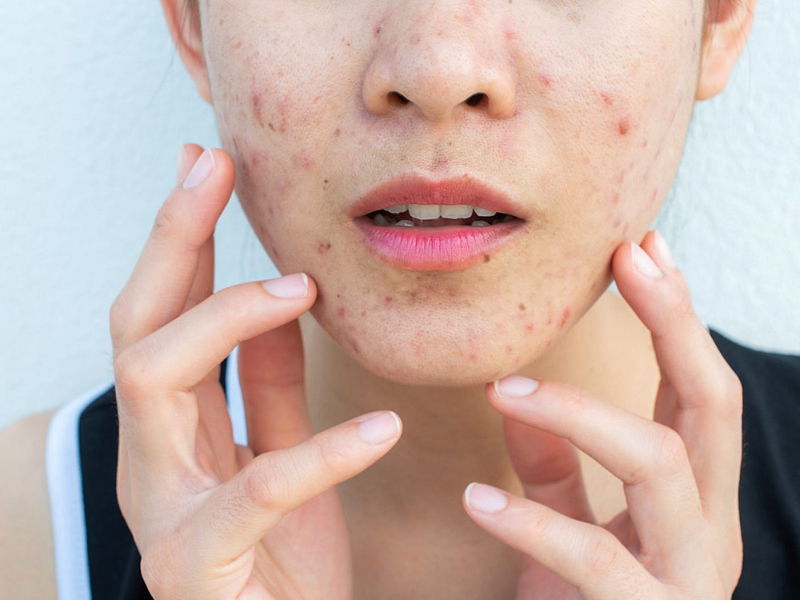

Acne is a common skin condition that may cause red or white bumps, blackheads, whiteheads, and inflammatory lesions. It frequently affects areas such as the face, back, shoulders, and chest.
Acne develops through several interacting factors, including increased sebum production, blockage of hair follicles, inflammation, and changes involving bacteria normally found on the skin.
Hormonal changes, particularly during adolescence, can contribute to acne development. Genetic predisposition may also play a role. Stress, certain cosmetic products, medications, and other individual factors may influence acne in some people.
Acne treatment begins with evaluating the type and severity of acne as well as possible contributing factors. For this reason, individuals with persistent, severe, or scarring acne may benefit from professional dermatological assessment.
Common Acne Treatment Methods
There are several approaches to acne treatment, and the most appropriate option depends on acne type, severity, skin characteristics, and medical history.
Topical creams and gels are commonly used. Depending on the treatment plan, these may contain ingredients such as benzoyl peroxide, salicylic acid, retinoids, or other active substances intended to reduce inflammation, unclog pores, or control acne-related factors.
Oral medications may also be considered in selected cases. Oral antibiotics, for example, may be prescribed for certain forms of inflammatory acne. Because unnecessary or prolonged antibiotic use may cause side effects and contribute to antibiotic resistance, these medications should be used under medical supervision.
Laser and light-based procedures may also be considered in selected acne treatment plans. At centers providing Ankara Laser applications, different technologies may be used according to individual skin characteristics. However, these procedures are not appropriate for every type of acne and should not automatically be considered a replacement for standard medical treatment.
Frequently Asked Questions About Acne Treatment
Are acne scars permanent?
Acne can leave different types of marks.
Post-inflammatory pigmentation may gradually fade over time, while true acne scars involving changes in skin texture may persist for longer periods.
Acne and pimple scar treatments may help reduce the visible appearance of certain scars, but complete removal cannot always be guaranteed.
How long does acne treatment take?
Treatment duration varies according to acne severity, skin characteristics, treatment method, and individual response.
Some improvement may become noticeable within several weeks, while certain treatment plans require several months of consistent use.
For this reason, acne treatment should generally be evaluated over time rather than expecting immediate results.
What should I pay attention to during acne treatment?
Gentle skin cleansing, appropriate moisturization, and the use of skin care products suitable for acne-prone skin are generally important.
Treatment products should be used according to professional recommendations, particularly if they contain active ingredients that may cause dryness or irritation.
Regular follow-up may also help evaluate treatment response and make adjustments when necessary.
Home Care and So-Called Natural Methods for Acne
Many home remedies are promoted for acne, but natural does not necessarily mean safe or effective.
Tea tree oil is sometimes used in acne-related skin care products. However, concentrated tea tree oil may irritate the skin and should not automatically be applied directly to acne lesions.
Aloe vera-containing products may have a soothing effect for some individuals, but they are not a substitute for established acne treatment and may not be suitable for every skin type.
Mixtures such as honey and cinnamon are also commonly discussed as home remedies, but they can cause irritation or allergic reactions and should not be considered a standard acne treatment.
Applying lemon juice directly to the skin is generally not recommended. Its acidity can irritate the skin and may increase sensitivity or contribute to pigmentation changes, particularly with sun exposure.
For persistent or inflammatory acne, professionally recommended skin care and medical treatment are generally more appropriate than experimenting with potentially irritating home remedies.
What Should Be Considered During Acne Treatment?
Professional evaluation can help determine the type and severity of acne and select an appropriate treatment plan.
Skin care products should generally be selected carefully. Non-comedogenic products may be preferable for acne-prone skin.
Gentle cleansing is usually recommended, but excessive washing or harsh scrubbing can irritate the skin and may worsen discomfort.
Squeezing, picking, or scratching acne lesions should also be avoided because these actions may increase inflammation and the likelihood of pigmentation changes or scarring.
Acne Scars and Treatment Methods
Acne and pimple scar treatments aim to reduce the visible appearance of marks or textural changes that remain after acne.
It is important to distinguish between post-acne pigmentation and true acne scars because they may require different treatment approaches.
Chemical Peeling
Chemical peeling involves controlled exfoliation of selected layers of the skin.
It may be considered for certain superficial pigmentation concerns and mild textural irregularities.
Laser Treatment
Selected laser procedures may help improve the appearance of certain acne scars by promoting controlled skin remodeling.
At centers providing Ankara Laser applications, treatment selection should depend on scar type, skin tone, scar depth, and individual risk factors.
Microdermabrasion and Microneedling
Microdermabrasion may be used for selected superficial skin texture concerns.
Microneedling creates controlled micro-injuries and may stimulate a wound-healing response associated with collagen remodeling. It may be considered for certain types of atrophic acne scars.
No single acne scar treatment is suitable for everyone. The most appropriate approach depends on the type of scar, skin characteristics, active acne status, previous treatments, and professional assessment.
 Call
Call
 Whatsapp