


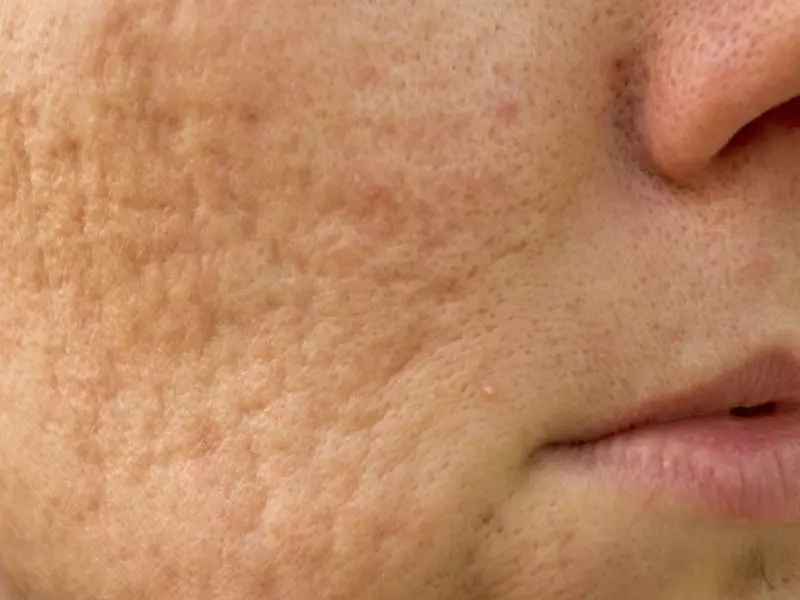

Acne commonly begins during adolescence and may affect quality of life for some people. Depressed acne scars are indentations that may remain after inflammatory acne lesions. They may be associated with insufficient collagen formation during healing and may remain visible for a long time without disappearing completely on their own.
The skin has the ability to repair itself after injury or damage. However, severe or prolonged acne inflammation may cause changes in skin tissue and collagen during healing. Depressed acne scars may develop as a result. Their type, depth and visibility may vary according to acne severity, the duration of inflammation, picking at lesions and individual skin structure.
Depressed acne scars may create an aesthetic concern and affect confidence for some people. However, these effects vary between individuals. Treatment aims to reduce their appearance and support a more balanced-looking skin surface.
Importance of Depressed Acne Scar Treatment
Depressed acne scar treatment aims to reduce visible irregularities in the skin surface. Depending on the method, controlled skin renewal and collagen production may be supported. Collagen is one of the proteins that supports skin structure and strength and may play a role in reducing the appearance of depressed scars.
Acne scars may cause aesthetic concern or confidence-related discomfort for some people. A change in their appearance may support satisfaction with the skin. However, treatment cannot be guaranteed to improve social life, psychological well-being or professional life.
Selecting appropriate methods and techniques is important during treatment. Since every person has different skin characteristics and scar types, the plan should be individualised. Assessment by a dermatologist may help determine a suitable method, session plan and possible risks.
Acne and Acne Scar Treatments: Which Methods Are Available?
Acne and acne scar treatments include different methods intended for various types of scars. No single treatment produces the same response for every type, and an individual approach is required. Commonly considered methods include:
-
Laser Treatment: Laser methods, which may also be considered in Ankara Lazer procedures, aim to support skin remodelling and collagen production by creating a controlled effect. Fractional and fractional carbon dioxide lasers may help reduce the appearance of certain depressed scars. The device and settings should be selected according to scar type, natural skin tone and individual skin structure.
-
Chemical Peeling: This method creates controlled exfoliation in the upper skin layer and aims to support renewal. Chemical peeling may help reduce the appearance of certain superficial scars and colour irregularities. Its effect may be limited when used alone for deep depressed scars.
-
Microneedling: Microneedling creates controlled microchannels and aims to support healing and collagen production. It may help soften the appearance of certain depressed acne scars and support a more balanced skin surface, but it does not guarantee that the indentations will completely fill.
Every method has possible benefits, limitations and side effects. Assessment by a dermatologist is important before beginning treatment. Skin structure, scar type and depth and the presence of active acne should be considered when selecting a method.
Technologies Used in Depressed Acne Scar Treatment
Different devices and technologies are currently used for depressed acne scar treatment. With suitable patient selection and individual settings, these technologies may help reduce visible scarring. However, the technology used does not guarantee greater effectiveness or a shorter recovery period.
-
Fractional Laser Technology: Fractional laser creates controlled micro-treatment areas in the skin and aims to support remodelling and collagen production. It may help certain depressed acne scars and skin texture appear more balanced. Redness, swelling, crusting, infection or pigment changes may occur, so maximum results with minimal side effects cannot be guaranteed.
-
Radiofrequency Devices: Radiofrequency energy may create controlled heating in skin tissue and support collagen remodelling. Microneedle radiofrequency procedures in particular may be considered for certain depressed acne scars. The change achieved varies according to scar type, device characteristics and individual skin response.
-
IPL Technology: IPL may be considered particularly for certain areas of redness and pigmentation that remain after acne. It should not be expected to correct the structural depth of depressed acne scars directly. Natural skin tone and lesion characteristics should be considered before treatment.
Every technology should be evaluated according to individual skin and scar characteristics. Device specifications, maintenance and practitioner training are important. However, the fact that a device is newer or more advanced does not guarantee a better result.
Results and Recovery After Depressed Acne Scar Treatment
The results of depressed acne scar treatment vary according to the method, the type and depth of the scars, natural skin tone and individual response. A noticeable reduction may occur for some people, while the change may be more limited for others. Complete removal or permanent results cannot be guaranteed.
Recovery varies according to the method and skin sensitivity. Redness, swelling, tenderness, crusting or temporary pigment changes may occur after laser procedures. Their duration depends on treatment intensity and individual skin structure. Peeling, dryness and sensitivity may also occur after chemical peeling.
Following the practitioner’s aftercare instructions may support the skin barrier and recovery. Sun protection, suitable moisturiser and avoidance of irritating products are important. These precautions do not guarantee healing or results but may help reduce the risk of unwanted reactions.
Frequently Asked Questions About Depressed Acne Scar Treatment
Common questions and answers about depressed acne scar treatment include:
-
Does depressed acne scar treatment hurt?
The discomfort or pain experienced varies according to the method and individual pain threshold. Topical anaesthetic cream or local anaesthesia may be used for certain procedures. Stinging, burning, heat or pain may still be experienced. -
Will the scars disappear completely after treatment?
Treatment may help reduce the appearance of certain depressed scars, but complete removal cannot be guaranteed. The degree of change depends on scar type and depth, the selected method and individual skin response. Several sessions or a combination of different methods may be required. -
How long does treatment take?
The total duration depends on the method, the characteristics of the scars and the planned number of sessions. Several sessions may be required, with suitable recovery intervals between them. A more specific treatment period may be determined after the initial assessment.
Depressed acne scar treatment should be planned individually after assessing the scars and the person’s skin structure. Professional follow-up may help evaluate the skin’s response and possible side effects.
 Call
Call
 Whatsapp