


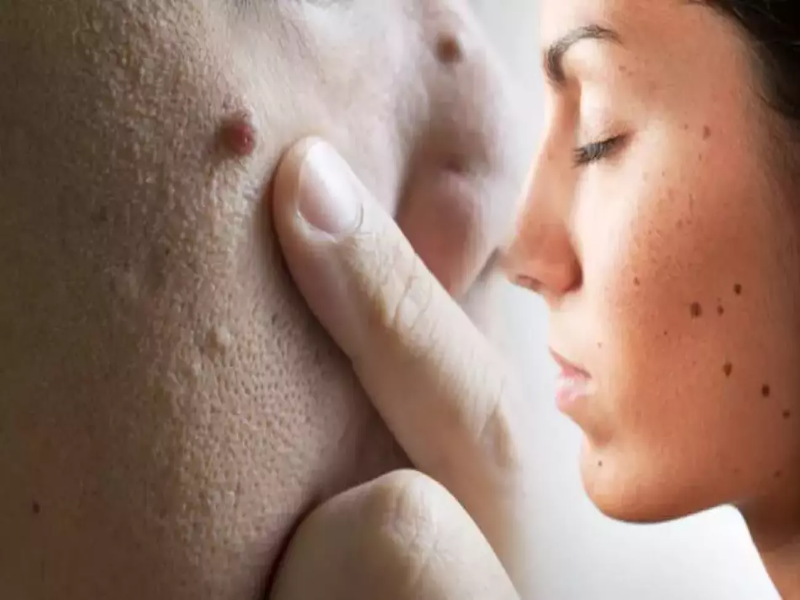

Mole removal is the process of safely removing moles on the skin for aesthetic or health-related reasons. It is generally performed to remove moles that are disturbing on the skin or cause aesthetic concerns. When the shape, size, or color of moles changes, this may increase the risk of skin cancer, and therefore mole removal may be needed.
What Is Mole Removal?
Mole removal is the process of removing moles on the skin through a specific procedure. This procedure may be performed to improve aesthetic appearance or due to medical necessities. Moles are skin spots formed by the accumulation of pigment cells. They are generally harmless, but in some cases, they may carry a cancer risk.
The mole removal procedure is performed by dermatologists or plastic surgeons. Before the procedure, the structure and condition of the mole are evaluated. This evaluation is important in terms of deciding whether the mole needs to be removed. The methods used during mole removal may vary depending on the type of mole and the structure of the skin.
Mole removal is generally performed under local anesthesia, which makes the procedure painless. In the post-procedure period, there may be mild redness or crusting on the skin, but this condition usually improves in a short time. After mole removal, it is important to follow special care instructions to avoid leaving any scar on the skin.
Laser Mole Removal Process
The Laser Mole Removal process is one of the most popular and effective methods today. Laser technology allows moles to be targeted and removed without damaging the surrounding tissue. This method is especially preferred in sensitive areas such as the face, because laser beams cause minimal damage to the skin.
Laser mole removal is generally a fast and painless procedure. First, a detailed skin analysis is performed to evaluate whether the mole is suitable for removal with laser. If it is considered suitable, the laser device focuses on the mole, breaks down the pigment cells, and allows the mole to disappear from the skin. The procedure usually takes a few minutes, and in most cases, more than one session may be required.
After laser treatment, mild redness and crusting may be seen in the treated area. This condition is normal and usually heals within a few days. One of the biggest advantages of laser mole removal is that the risk of scarring is minimal. However, after the procedure, it is important to protect yourself from sunlight and apply the care recommended by the doctor.
Advantages of Mole Removal
The mole removal procedure has many advantages. First, removing moles provides a cleaner and smoother skin appearance aesthetically. Especially removing moles located on the face may increase a person’s self-confidence and help them feel more comfortable in social life.
In terms of health, mole removal may be an important preventive measure. To reduce the risk of skin cancer, it is recommended to remove moles that appear suspicious or grow rapidly. In this way, possible health risks can be prevented in advance. Regular check-ups performed by a doctor and mole removal when necessary play an important role in protecting skin health.
Another advantage of mole removal is that the procedure is generally fast and uncomplicated. Thanks to modern techniques, mole removal is generally painless and the recovery period is quite short. In addition, thanks to advanced methods such as laser, the risk of scarring can be minimized, which is one of the reasons why the procedure is preferred.
Care After Mole Removal
After mole removal, it is important to follow a specific care routine for the skin to heal properly. The first thing to pay attention to in the post-procedure period is to keep the treated area clean and dry. Crusting or redness that may occur on the skin usually passes in a short time, and during this process, the skin should be treated gently.
Another important element of care after mole removal is protection from the sun. Since the skin becomes sensitive after the procedure, it is important to use high-factor sunscreen to protect it from sunlight. This both speeds up the healing process and reduces the risk of scarring on the skin. Sun protection is an issue that should be considered in every season.
Following the care instructions recommended by the doctor positively affects the healing process. Creams and ointments prescribed by the doctor after the procedure help the skin heal faster. In addition, it is also important to avoid products that may irritate the skin and aggressive mechanical peelings. If any complication or unexpected situation is encountered, a doctor should be consulted without delay.
Things to Consider in Mole Removal
There are several important factors to consider during the mole removal procedure. First, it is of great importance that mole removal is performed by a specialist dermatologist or surgeon. An experienced specialist evaluates the structure of the mole correctly and performs the removal procedure with the most appropriate method.
Before the decision for mole removal is made, a detailed evaluation should be performed to determine whether the mole carries a risk of skin cancer. Especially moles whose size, shape, or color changes should be examined carefully. The specialist doctor will provide the best guidance on removing such moles.
Finally, the recommended care instructions must be followed after mole removal. After the procedure, the skin enters a sensitive period, and if proper care is not applied during this period, the risk of infection or scarring may increase. For this reason, it is necessary to carefully follow the doctor’s recommendations and not skip regular follow-up appointments.
In Which Situations Should Mole Removal Be Performed?
Mole removal may be performed for aesthetic concerns or health-related reasons. Aesthetic concerns generally create motivation for removing large, prominent, or disturbingly located moles. Especially moles in the facial area may be removed so that people feel more comfortable and confident.
In terms of health, mole removal is performed to reduce the risk of skin cancer. Especially asymmetrical moles, moles with irregular borders, multicolored moles, or rapidly growing moles may be signs of skin cancer. Removing such moles in the early period may prevent possible health problems. Regular dermatology check-ups are important for detecting these risky moles.
On the other hand, situations requiring mole removal may vary from person to person. Individuals with a personal or family history of skin cancer should be more careful about mole removal. In every case, getting the opinion of a specialist doctor and taking their recommendations into consideration will be the most accurate approach.
Frequently Asked Questions About Mole Removal
Answering frequently asked questions about mole removal may help you gain more information about the procedure. Here are the most frequently asked questions about mole removal and their answers:
Does mole removal hurt?
Mole removal is generally performed under local anesthesia, so you do not feel any pain during the procedure. There may only be slight discomfort during the anesthesia injection.
Will there be a scar after the procedure?
Whether a scar remains may vary depending on the method used and skin type. Laser methods generally minimize the risk of scarring. However, following the care instructions recommended by the doctor will reduce the risk of scarring.
What should I pay attention to after mole removal?
After the procedure, you should keep your skin clean and dry, protect it from the sun, and regularly use the creams recommended by the doctor. In addition, you should avoid scratching the treated area after the procedure.
Can mole removal be repeated?
If a mole forms again in the same area or other moles appear, you can repeat mole removal by talking to your doctor. However, not every mole needs to be removed; the decision should be made after a specialist evaluation.
To get more information about mole removal and to find out whether it is suitable for you, I recommend that you contact a specialist dermatologist. Remember, regular check-ups and early intervention always provide the best results for your skin health.
 Call
Call
 Whatsapp