


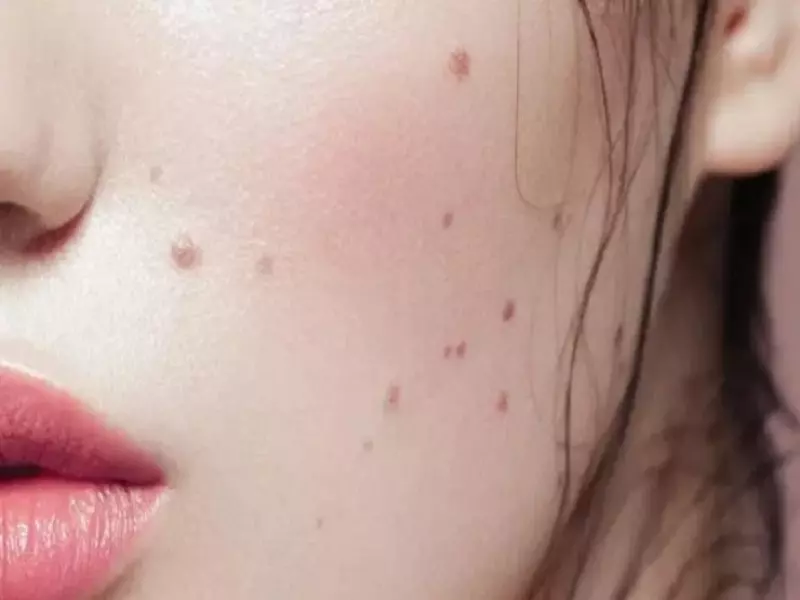

Mole removal refers to procedures used to remove selected skin lesions for cosmetic or medical reasons. Mole Removal is generally planned by a dermatologist, plastic surgeon, or another appropriately qualified clinician after the lesion has been assessed.
Some changing or clinically suspicious moles require further evaluation rather than immediate cosmetic destruction. If malignancy is a concern, surgical removal and histopathological examination may be necessary.
Regularly observing moles can be useful for identifying changes. Removing a benign mole does not generally function as a preventive treatment against skin cancer elsewhere on the skin.
Mole Removal Process: Step-by-Step Guide
- Examination and Assessment: The lesion should first be assessed to determine whether it appears benign and whether dermoscopy or histopathology may be required.
- Planning and Preparation: The appropriate method is selected according to lesion type, location, size, symptoms, and diagnostic considerations.
- Procedure: Surgical excision, shave removal, or selected laser techniques may be considered depending on the lesion. Laser Mole Removal is not appropriate for every mole and does not guarantee a scar-free result.
The correct method depends primarily on the lesion's diagnosis rather than cosmetic preference alone.
Mole Removal with Ankara Laser: When May It Be Considered?
Selected benign superficial lesions may sometimes be treated using laser. However, suspicious or diagnostically uncertain pigmented moles should not be destroyed simply because a laser option is available.
Laser treatment may avoid sutures in selected cases, but recurrence, residual pigment, hypopigmentation, hyperpigmentation, textural change, or scarring can still occur.
The priority should be correct dermatological assessment and appropriate treatment selection rather than assuming laser is the best method.
What Should Be Considered During Mole Removal?
Before treatment, any lesion with changes in shape, border, color, size, bleeding, itching, or other concerning features should be assessed.
After removal, wound care depends on the method. Surgical excision, shave removal, and laser treatment have different dressing and cleansing requirements.
Scar management should also depend on the wound and scar type. Fillers or facial rejuvenation procedures are not routine methods for preventing or treating every scar after mole removal.
Aftercare Tips Following Mole Removal
- Cleaning and Wound Care: Follow the specific instructions provided for the procedure. Not every wound requires the same cleanser or dressing.
- Sun Protection: Ultraviolet protection can help reduce pigment changes in a healing area but does not guarantee that no scar will remain.
- Moisture and Wound Products: Appropriate ointments or moisturizers may be recommended depending on whether the area is an open wound or a healed scar.
Professional advice is more important than following one universal aftercare routine.
Other Frequently Asked Questions About Mole Removal
- Does mole removal hurt?
Surgical procedures are often performed under local anesthesia. Discomfort after the procedure varies. - Will a scar remain?
Every procedure that removes tissue can potentially leave some degree of scar. Laser treatment does not guarantee scar-free removal. - How long does healing take?
Healing depends on lesion size, location, removal method, and individual response. Surface healing and final scar maturation occur on different timelines.
A dermatologist can determine whether a lesion is suitable for cosmetic removal or whether diagnostic examination is more important.
 Call
Call
 Whatsapp