


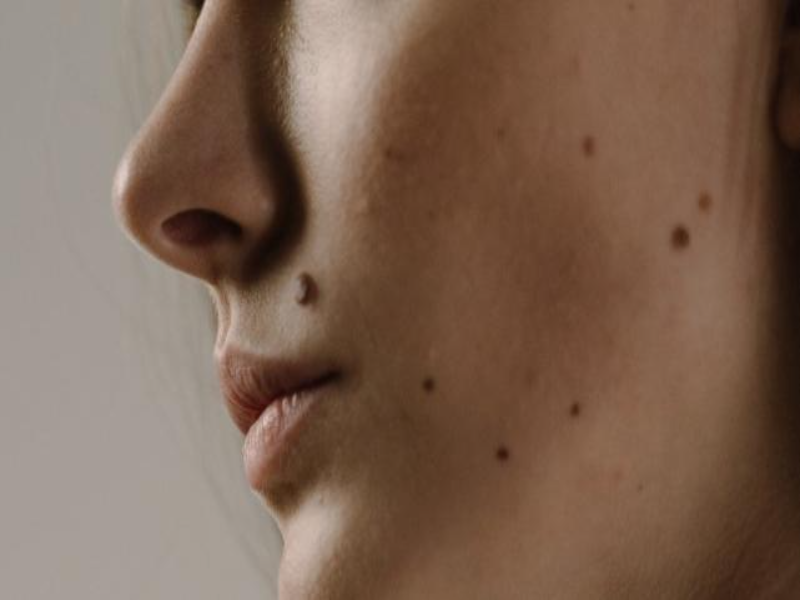

Mole removal refers to the removal of skin moles for aesthetic or medical reasons using surgical or, in selected cases, laser-based methods. Moles are usually benign, but changes in the size, shape, color, or other characteristics of a mole may require medical evaluation. For this reason, moles should be assessed carefully before deciding on a removal method.
One of the reasons people consider mole removal is aesthetic appearance. Moles located on visible areas such as the face may be bothersome for some individuals. In such cases, removal may be considered after appropriate professional evaluation.
Choosing the correct removal method is also important. Every mole has different characteristics, and not every mole is suitable for the same procedure. Suspicious or changing moles may require biopsy or surgical removal so that the tissue can be examined histologically rather than being treated directly with a laser.
Advantages of Laser Mole Removal
Laser Mole Removal may offer certain advantages for appropriately selected benign lesions. Depending on the type and location of the lesion, laser technology can target a relatively small treatment area and may offer a relatively short procedure.
The recovery period may also be relatively limited in some cases. However, the healing process varies according to the size and depth of the lesion, treatment method, skin type, anatomical location, and individual healing response.
Scarring cannot be completely ruled out with any removal method. For this reason, the advantages and limitations of laser treatment should be discussed individually before the procedure.
Laser treatment should not automatically be preferred for every pigmented mole. Suspicious melanocytic lesions generally require a diagnostic approach that allows appropriate tissue examination.
Laser Mole Removal Process
At centers offering Ankara Laser applications, the mole or skin lesion should first be evaluated by an appropriately qualified professional. Its structure, size, color, borders, and other characteristics can be examined to determine whether laser treatment is suitable.
If the lesion is considered appropriate for laser treatment, the treatment area is cleaned and local anesthesia may be used depending on the procedure and individual needs. Laser energy is then applied to the selected tissue according to the technology being used.
The procedure may take only a short period for small lesions, although treatment duration varies. Mild burning, stinging, redness, or sensitivity may occur during or after the procedure.
Following treatment, the area should be cared for according to professional instructions. Recommendations may include gentle cleansing, keeping the area appropriately protected, and avoiding excessive sun exposure.
Preparation for Mole Removal
Preparation for mole removal begins with appropriate examination of the lesion. The size, color, structure, and clinical characteristics of the mole should be evaluated before deciding on the removal method.
This evaluation is particularly important when a mole has changed in size, shape, or color or looks different from other moles. Such changes are among the warning signs that should prompt dermatological assessment.
Patients should inform their physician about medications they use, particularly medicines that may influence bleeding or wound healing. Medication should not be discontinued without medical advice.
Depending on the procedure, the treatment area may need to be clean and free from makeup or cosmetic products on the day of treatment.
Common Mistakes Related to Mole Removal
One important mistake is choosing a treatment method without first obtaining an appropriate assessment of the mole.
Although many centers may offer Ankara Laser procedures, the decision should not be based solely on the availability of laser technology. The type of lesion and whether histopathological examination may be necessary should also be considered.
Another common mistake is failing to follow post-treatment care instructions. Picking at crusts, excessive sun exposure, or using irritating products may negatively affect the healing process.
Expecting the final appearance immediately after treatment may also be unrealistic. Healing varies from person to person, and the appearance of the treated area may continue to change during the following days or weeks.
Care and Recovery After Mole Removal
After mole removal, appropriate wound and skin care are important for supporting the healing process.
During the first few days, the treated area may be temporarily red, swollen, sensitive, or crusted depending on the procedure performed. These effects generally improve as healing progresses, although individual recovery times vary.
The treated area should not be scratched, rubbed, or picked. Sun protection may also be recommended, particularly when the procedure is performed on an exposed area.
If redness, swelling, pain, bleeding, discharge, or another symptom becomes increasingly severe rather than improving, professional medical advice should be sought.
Follow-up may also be important, particularly if the lesion returns or another change develops. AAD advises having a mole that grows back after removal examined by a dermatologist.
Frequently Asked Questions About Mole Removal
What methods can be used for mole removal?
The appropriate method depends on the type of mole and why it is being removed. Surgical excision or shave removal may be considered for certain lesions, while laser treatment may have a role in selected benign lesions. Suspicious moles require appropriate dermatological assessment and may need biopsy or excision.
Can every mole be removed with a laser?
No. Laser treatment is not appropriate for every mole. If a lesion is suspicious or changing, preserving tissue for histopathological examination may be important. A biopsy is used to establish a definitive diagnosis when skin cancer is suspected.
Is mole removal painful?
The level of discomfort depends on the removal method, size and location of the lesion, and individual sensitivity. Local anesthesia is commonly used for procedures that require it.
Will a scar remain after mole removal?
No removal method can guarantee that no scar will remain. Scar formation depends on factors such as the procedure performed, lesion depth and size, anatomical location, skin characteristics, individual healing response, and post-treatment care.
When should a mole be checked by a dermatologist?
A mole that changes in size, shape, or color, develops an irregular border, looks different from other moles, or develops other unusual features should be professionally evaluated.
 Call
Call
 Whatsapp