


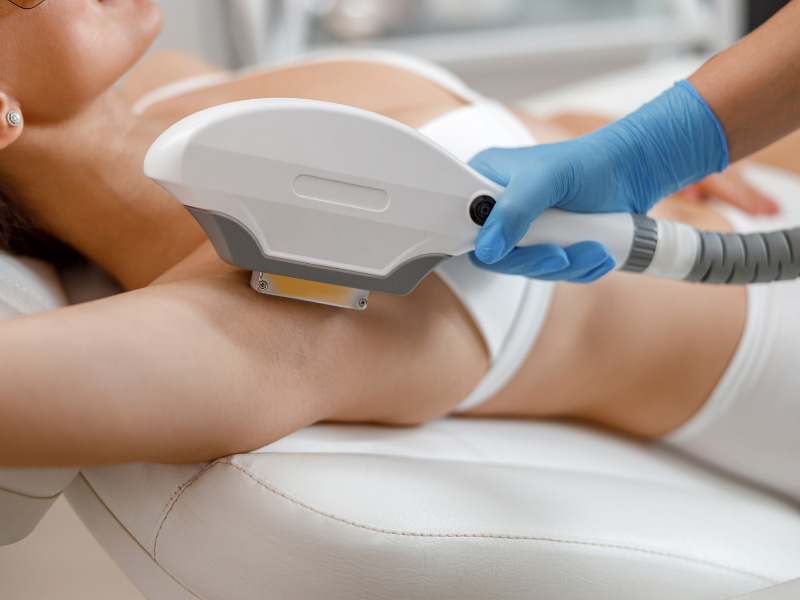

Nd:YAG laser hair removal is a method that provides long-term reduction of unwanted hair by using laser technology with a long wavelength. This technology works on the principle of laser beams penetrating the hair follicles and weakening them. The most important feature of Nd:YAG laser is that it can reach deeper tissues without damaging the skin surface. This makes it suitable for different skin types and especially preferred for individuals with darker skin tones.
Another feature that distinguishes Nd:YAG laser from other laser hair removal methods is its long wavelength. This long wavelength provides deeper penetration into the skin and allows thicker and deeper-rooted hair to be targeted. It helps achieve effective results especially in areas with thick hair. In addition, thanks to the adjustable features of the device, the treatment can be personalized.
This method has increased in popularity in recent years and has become a trusted hair removal technique. Nd:YAG laser hair removal is an ideal option not only for individuals who want to get rid of unwanted hair but also for those who want to protect skin health. Since it works without damaging the skin surface, the risk of leaving any spots or marks on the skin is minimal.
Advantages of Nd:YAG Laser Hair Removal
One of the most noticeable advantages of Nd:YAG laser hair removal is that it can adapt to different skin types. It is a safe option especially for individuals with darker skin tones because complications affecting skin color are less common compared to other laser types. This allows it to appeal to a wider user group. In addition, since it can be used comfortably even on sensitive skin, it is also a suitable method for those with skin sensitivity.
Another advantage is that session durations are short. Nd:YAG laser devices can scan large areas quickly, which shortens the treatment duration. This is a major advantage for individuals with time limitations or a busy lifestyle. It is also an ideal option for people who want to achieve results quickly.
It should also be noted that Nd:YAG laser hair removal offers a cost-effective solution in the long term. After several initial sessions, a noticeable reduction in hair growth is observed. This eliminates the need for shaving, waxing, or other temporary methods in the long term, saving both time and cost.
How Does the Nd:YAG Laser Hair Removal Process Work?
The Nd:YAG laser hair removal process first begins with a skin and hair analysis performed by a specialist. This analysis allows the treatment process to be planned individually. Then, the parameters of the laser device are adjusted according to the individual’s skin color and hair structure. These adjustments are very important for achieving the most effective result.
During the session, the laser device is placed on the skin, and laser beams are sent to the hair follicles. These beams target and damage the hair root, helping prevent hair growth. The treatment duration may vary depending on the size of the area to be treated. Small areas can be completed within a few minutes, while larger areas may take longer.
After the treatment, mild redness or slight swelling may occur on the skin, but these symptoms usually disappear within a short time. Specialists usually recommend cooling gels or creams to minimize possible discomfort on the skin. During this process, it is important to follow specialist recommendations to protect skin health and speed up the recovery process.
What Are the Side Effects of Nd:YAG Laser Hair Removal?
As with every medical procedure, Nd:YAG laser hair removal may also have some side effects. However, these side effects are usually mild and temporary. The most common side effects include redness, mild swelling, and sensitivity on the skin. These symptoms usually disappear on their own within a few hours to a few days.
In rare cases, crusting or small blisters may occur on the skin. Such reactions usually develop due to skin sensitivity or incorrect application. Therefore, it is very important that laser hair removal is performed by an experienced and certified professional. To prevent such complications, specialist recommendations before and after treatment should be followed carefully.
In some individuals, especially on skin exposed to the sun, pigment changes may occur. This condition is usually temporary, and the skin color returns to normal over time. To minimize pigment changes, sunscreen use after treatment and avoiding direct sunlight are recommended.
Who Is Nd:YAG Laser Hair Removal Suitable For?
Nd:YAG laser hair removal appeals to a wide range of users and is suitable for different skin types. This method is an ideal option especially for individuals with darker skin tones. Compared to other laser types, Nd:YAG laser has less effect on skin tone, which allows darker-skinned individuals to safely prefer this procedure.
In addition, it is also an effective method for individuals with fine and light-colored hair. However, it should be remembered that individuals with this type of hair structure may need more sessions. The individually adjustable parameters of Nd:YAG laser allow effective results to be achieved on different hair structures.
Individuals with special conditions such as pregnancy or certain skin diseases are recommended to consult a dermatologist or skin specialist before having Nd:YAG laser hair removal. In addition, in cases of any skin treatment or medication use, it is important to get a specialist opinion before starting treatment.
How Often Should Nd:YAG Laser Hair Removal Sessions Be Performed?
The frequency of Nd:YAG laser hair removal sessions may vary depending on the individual’s hair structure and skin type. Generally, the first few sessions are performed at intervals of 4 to 6 weeks. During this period, more effective results are achieved because hair follicles are in different growth phases. Then, as the hair growth rate decreases, session intervals may be extended.
The total number of sessions required varies according to the area being treated and the individual’s hair density. While more sessions may usually be required in areas with finer hair structure, such as the face, fewer sessions may be sufficient in areas with thicker hair structure, such as the legs. Since each individual’s response to treatment may be different, it is important to create a personalized treatment plan.
During the treatment process, shaving the hair between sessions is recommended, but root-removal methods such as waxing or epilators should be avoided. This increases the effectiveness of the laser treatment and helps achieve faster results. By following your specialist’s recommendations, you can get the best results from the treatment process.
Care Recommendations After Nd:YAG Laser Hair Removal
Skincare after Nd:YAG laser hair removal is very important for improving treatment results and minimizing side effects. First of all, applying a cold compress is recommended to soothe the skin after treatment. This reduces redness and swelling that may occur on the skin. You can also strengthen the skin barrier by using moisturizing creams recommended by specialists.
During the first few days after treatment, it is important to avoid direct sunlight. If going out in the sun is necessary, using a high-factor sunscreen is recommended. This protects the skin from the harmful effects of UV rays and prevents pigment changes. Sunscreen use should become a regular habit throughout the treatment process.
In addition, products containing harsh chemicals that may irritate the skin and showering with hot water should be avoided after treatment. Such practices may increase skin sensitivity and prolong the healing process. To protect skin health, it is important to follow specialist recommendations and treat the skin gently.
Common Mistakes About Nd:YAG Laser Hair Removal
One of the most common mistakes about Nd:YAG laser hair removal is having the treatment performed by non-specialists. Laser hair removal is a procedure that requires experience and expertise. Therefore, it is important that it is performed by certified and experienced professionals. Incorrect applications may lead to unwanted side effects and unsuccessful treatment results.
Another common mistake is using methods between sessions that completely remove hair follicles. Methods such as waxing or epilators may reduce the effect of the laser by removing the hair root. Therefore, only surface-level methods such as shaving should be preferred between sessions. This allows the laser to work effectively and helps results appear faster.
Finally, not following post-treatment care recommendations is also among the common mistakes. Not paying enough attention to skincare may negatively affect treatment results and cause unwanted side effects. Carefully following the care recommendations given by specialists helps the treatment process be completed successfully.
Frequently Asked Questions About Nd:YAG Laser Hair Removal
One of the most frequently asked questions about Nd:YAG laser hair removal is how long the treatment takes. Treatment duration varies depending on the size of the area to be treated. Small areas can be completed within a few minutes, while larger areas such as the legs may take longer. In each session, the laser device is placed on the skin, and laser beams are sent to the hair follicles.
Another frequently asked question is whether the procedure is painful. Nd:YAG laser hair removal is generally described as causing mild discomfort. However, modern devices are equipped with cooling mechanisms, and this minimizes discomfort on the skin. Most people state that they feel only a mild tingling sensation during treatment.
Finally, how permanent the treatment is is also among the topics people wonder about. Nd:YAG laser hair removal aims to permanently reduce hair growth. However, in some individuals, hair may grow again after a certain period due to hormonal changes or genetic factors. In such cases, periodic maintenance sessions may be recommended.
 Call
Call
 Whatsapp