


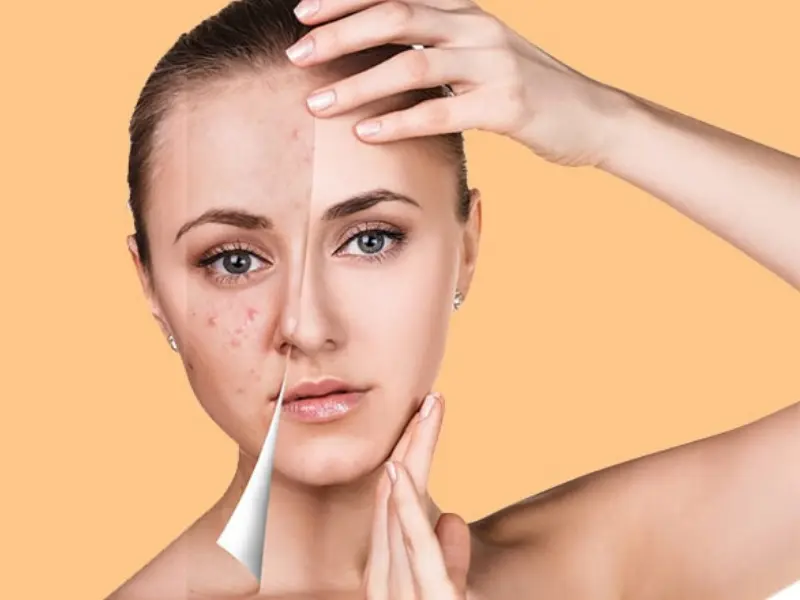

Peeling is a skincare method that removes the upper layer of the skin, helping eliminate dead cells and impurities. This procedure accelerates the skin’s renewal process and supports a fresher and healthier appearance. Peeling treatment for pigmentation is part of this approach and specifically aims to reduce the appearance of skin pigmentation.
Peeling may be performed using chemical or mechanical methods. Chemical peeling uses various acids to exfoliate the skin, while mechanical peeling removes the upper skin layer with micro-particles or specialised devices. Both methods contribute to skin renewal, although their effects and application techniques may differ.
This treatment not only supports skin renewal but may also help create a more even skin tone and reduce the appearance of fine lines. Professional peeling procedures performed at specialist centres such as Ankara Laser may contribute to faster and more effective results.
Benefits of Peeling Treatment for Pigmentation
Peeling treatment for pigmentation may provide effective solutions for various skin concerns. First, it can help reduce the appearance of skin pigmentation. Sunspots, age spots and acne marks may become less noticeable following peeling procedures. This contributes to a more even skin tone and improves the skin’s overall appearance.
Peeling may also improve the general texture of the skin. It can reduce surface irregularities and the appearance of fine lines, supporting a more youthful look. Removing the upper skin layer allows fresher skin cells beneath the surface to become visible. This process may also support skin elasticity and a firmer-looking texture.
Finally, peeling may increase the effectiveness of skincare products. Once the upper layer of dead cells is removed, moisturising and nourishing products may penetrate the skin more effectively. This can make the daily skincare routine more efficient.
Peeling Treatment Methods
Peeling treatments are generally divided into two main categories: chemical and mechanical. Both methods contribute to skin renewal and pigmentation treatment, but their techniques and effects differ.
Chemical Peeling
Chemical peeling uses various acids to create controlled exfoliation of the skin. These may include glycolic acid, salicylic acid and trichloroacetic acid. Chemical peeling is often preferred for deeper pigmentation and visible signs of ageing. The controlled effect created on the skin surface stimulates the skin’s natural renewal process.
Mechanical Peeling
Mechanical peeling physically exfoliates the skin to remove dead cells and impurities. Methods such as microdermabrasion and dermaplaning smooth the skin surface and may help create a more even skin tone. Mechanical peeling may be suitable for more superficial pigmentation and skin texture concerns.
Both peeling methods should be performed at professional centres by dermatologists or appropriately trained skincare specialists. This helps protect skin health and supports more suitable results.
Skincare After Peeling
Skincare is highly important after a peeling procedure. Several steps should be followed to support the skin’s renewal and achieve the intended results. The skin may become more sensitive after peeling treatment for pigmentation, so careful aftercare is necessary.
First, moisturising the skin is one of the most critical stages of post-peeling care. A gentle, fragrance-free and hypoallergenic moisturiser may help maintain the skin’s moisture balance. This supports recovery and makes the peeling process more comfortable.
Sun protection is another important part of aftercare. The skin becomes more sensitive and vulnerable to sun damage following treatment. A broad-spectrum sunscreen should therefore be used to protect the skin from ultraviolet rays. Sunscreen may also help reduce the risk of pigmentation changes after peeling.
Harsh cleansers and make-up products that may irritate the skin should be avoided. The skin should be washed with a gentle cleanser, and heavy make-up should not be used during the first few days. This supports recovery and helps maintain the effects of the treatment.
The Peeling Procedure
The peeling process may vary according to the individual’s skin type and treatment goals. However, several important steps are generally followed before, during and after the procedure.
Before treatment, consulting a dermatologist or skincare specialist is important. The specialist evaluates the skin type and selects the most suitable peeling method. They may also provide guidance about products or habits that should be avoided before treatment.
During the procedure, a chemical or mechanical peeling method suited to the skin is applied. In chemical peeling, a solution is placed on the skin and left for a specific period. In mechanical peeling, the skin surface is physically exfoliated. The procedure generally lasts between 30 and 60 minutes, after which a soothing product may be applied.
Following the post-treatment routine recommended by the specialist is important. The skin should be given sufficient time to recover, and skincare products should be selected carefully. This supports the effectiveness of peeling treatment and helps protect long-term skin health.
Who Is Suitable for Peeling Treatment for Pigmentation?
Peeling treatment for pigmentation may be suitable for many different skin types and concerns. However, certain criteria should be considered to ensure that the procedure is both safe and effective.
Individuals experiencing skin pigmentation may benefit from peeling treatments. Sunspots, acne marks and signs of ageing may be reduced with the procedure. Uneven skin tone and fine lines may also improve.
The peeling method can be adjusted according to skin type. For example, chemical peels containing salicylic acid may be suitable for oily and acne-prone skin, while gentler acids such as lactic acid may be preferred for more sensitive skin. Consulting a specialist is important for determining the most appropriate option.
Certain groups, including pregnant or breastfeeding individuals and people with active skin infections, may need to avoid peeling treatments. Anyone with open wounds or infections on the skin should consult a dermatologist before undergoing the procedure.
Frequently Asked Questions About Peeling Treatment for Pigmentation
Does Peeling Cause Pain?
A mild burning or tingling sensation may occur during the procedure. However, this is generally temporary, and soothing products may be applied afterwards to improve comfort.
How Long Does a Peeling Procedure Take?
Peeling generally lasts between 30 and 60 minutes. The duration may vary depending on the method used and the individual’s skin type.
When Can I Apply Make-Up After Peeling?
It is advisable to allow the skin some time to recover. Avoiding make-up during the first few days may support the healing process.
How Often Should Peeling Be Performed?
The frequency of peeling varies according to skin type and the response to treatment. Sessions may generally be planned at intervals of approximately four to six weeks.
Are the Effects of Peeling Permanent?
Peeling may help reduce pigmentation and uneven skin tone. However, maintaining a regular skincare routine and protecting the skin from sunlight are important for preserving the results.
These questions and answers can help individuals obtain more information about peeling treatment for pigmentation and address common concerns before beginning the procedure.
 Call
Call
 Whatsapp