


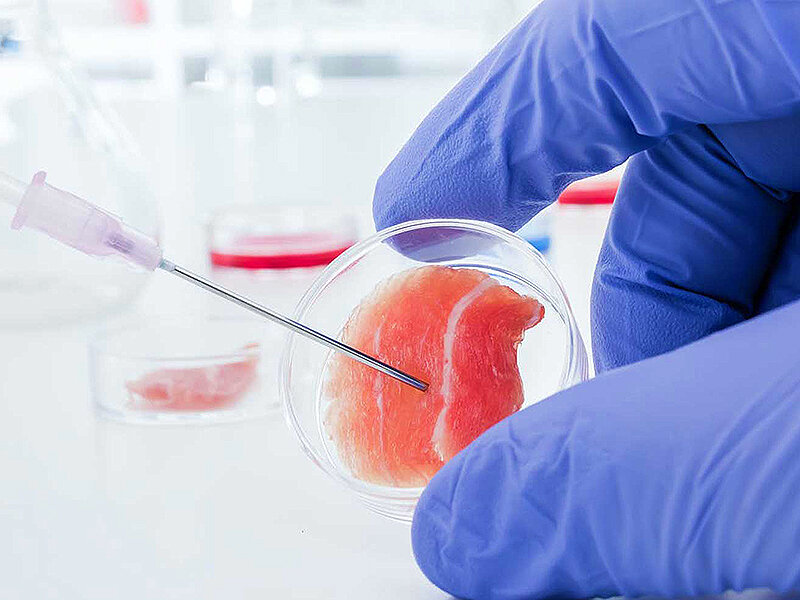

Stem cell-based approaches have attracted interest in the field of regenerative medicine for their potential role in tissue repair and scar management. However, Stem Cell-Based Scar Treatment is not a single standardized cosmetic procedure, and the type of cells, tissue source, preparation method, application technique, and regulatory context can differ substantially between protocols.
Stem cells have the ability to self-renew and, depending on their type, differentiate into certain cell lineages. Their potential role in tissue repair has therefore been investigated in different medical fields. When discussing scar treatment, it is important not to assume that applying stem cells directly reconstructs damaged skin or guarantees a less visible scar.
Some regenerative approaches may be studied or used together with other scar procedures, including selected laser treatments. However, combining a cellular product with Ankara Laser procedures does not automatically produce superior results. Potential benefit depends on the exact method, scar type, and available clinical evidence.
Potential Advantages of Stem Cell Treatment
One proposed advantage of certain autologous regenerative approaches is the use of material obtained from the individual's own body. This may reduce some compatibility-related concerns, but it does not eliminate risks such as infection, inflammation, contamination, procedural complications, or other adverse effects.
Some techniques may be less invasive than conventional surgery, but the degree of invasiveness depends on how tissue is collected, processed, and reapplied. Procedures involving tissue harvesting or injections may still require anesthesia and recovery. They should not automatically be described as less painful or associated with faster return to daily life.
Stem cell-related or regenerative products may also be studied in combination with other scar treatments. Combination approaches can sometimes be individualized, but the addition of a cellular treatment does not guarantee more comprehensive or more effective results.
How Is Stem Cell-Based Scar Treatment Performed?
Stem Cell-Based Scar Treatment can refer to very different techniques. In some investigational or specialized autologous approaches, tissue may be collected from the individual and processed to obtain a cellular or tissue-derived product. Procedures involving isolation, expansion, purification, or manipulation of cells require appropriate laboratory, medical, and regulatory standards.
Depending on the protocol, the prepared biological material may then be injected or otherwise applied to the treatment area. Local anesthesia may be used for some procedures. However, the applied cells should not be described as directly rebuilding all damaged tissue or reliably reducing scar appearance within a fixed number of weeks.
After the procedure, aftercare depends on how the material was obtained and applied. Follow-up may be required, particularly because regenerative or cell-based interventions can vary considerably. Outcomes should not be assumed to be highly satisfactory or permanent for every individual.
Stem Cell Treatment Process
The process should begin with a detailed medical assessment. Scar type, medical history, general health, previous treatments, medications, and expectations should be reviewed. It is also important to clarify exactly what product or technique is being proposed under the term “stem cell treatment.”
If tissue harvesting, processing, or injection is involved, the procedure should be performed within an appropriate medical framework. Potential contraindications, infection risk, wound-healing issues, and other patient-specific factors should be evaluated beforehand.
Temporary redness, swelling, bruising, tenderness, or other local reactions may occur after selected procedures. Their duration varies. Following appropriate aftercare can support recovery, but it cannot guarantee faster healing or greater effectiveness.
Recovery After Stem Cell-Based Scar Treatment
Recovery varies according to the exact procedure performed. A simple injection-based treatment and a procedure involving tissue harvesting and laboratory processing have very different recovery profiles. It is therefore not accurate to describe recovery as universally rapid or comfortable.
The treated area may require protection from contamination, friction, or excessive sun exposure depending on the technique. The exact cleaning, dressing, moisturizing, and sun-protection routine should follow professional instructions rather than a single standard protocol.
Visible changes, when they occur, may develop gradually. There is no guaranteed timeline of several weeks or several months, and some individuals may experience limited or no meaningful improvement. Follow-up is useful for assessing both safety and response.
Frequently Asked Questions About Stem Cell-Based Scar Treatment
1. Who may be suitable for stem cell-based scar treatment?
Suitability cannot be determined simply by being generally healthy or having a scar, wound mark, or stretch mark. The type of scar, medical history, proposed cellular product, treatment protocol, available evidence, and regulatory context should all be evaluated before treatment.
2. What should be considered after treatment?
Aftercare depends on the specific procedure. Keeping the treated area appropriately clean, following wound-care instructions when relevant, limiting excessive ultraviolet exposure, and using only recommended products may be advised. These measures support recovery but do not guarantee faster healing.
3. Does stem cell-based scar treatment have side effects?
Yes. Potential risks vary according to the source and processing of the biological material and the way it is administered. Redness, swelling, tenderness, bruising, infection, inflammatory reactions, or other complications may occur. It should therefore not be described as universally safe or associated only with minimal side effects.
 Call
Call
 Whatsapp